Residential Service
Fence Cleaning Services in Ohio
Vinyl and wood fences brought back to bright and uniform.
Fence Cleaning in Ohio
A fence frames your whole yard, so when it greens over with algae or grays out with weathering, the entire property looks neglected. We clean vinyl and wood fences with the right method for each, restoring a bright, even fence line that makes everything behind it look better.
The Problem
Vinyl and wood fences green over with algae and gray out with weathering.
Our Surface-Safe Approach
Surface-safe washing matched to vinyl versus wood, removing organic growth without damaging the material.
The Result
A bright, uniform fence line that lifts the look of your whole yard.
Why choose Redhead for fence cleaning
- Right method for vinyl or wood
- Removes green algae and gray weathering
- Restores a clean, uniform fence line
- Preps wood fencing for stain or seal
- Often bundled with house or deck washing
Fence Cleaning in Ohio
Your complete guide to fence cleaning in Ohio
Why Ohio Fences Turn Green, Gray, and Streaked
A fence stands in the open year-round. It takes weather from every direction, and in southwest Ohio that weather is hard on it. The staining you see is not just dirt. It is living growth feeding on moisture and organic film.
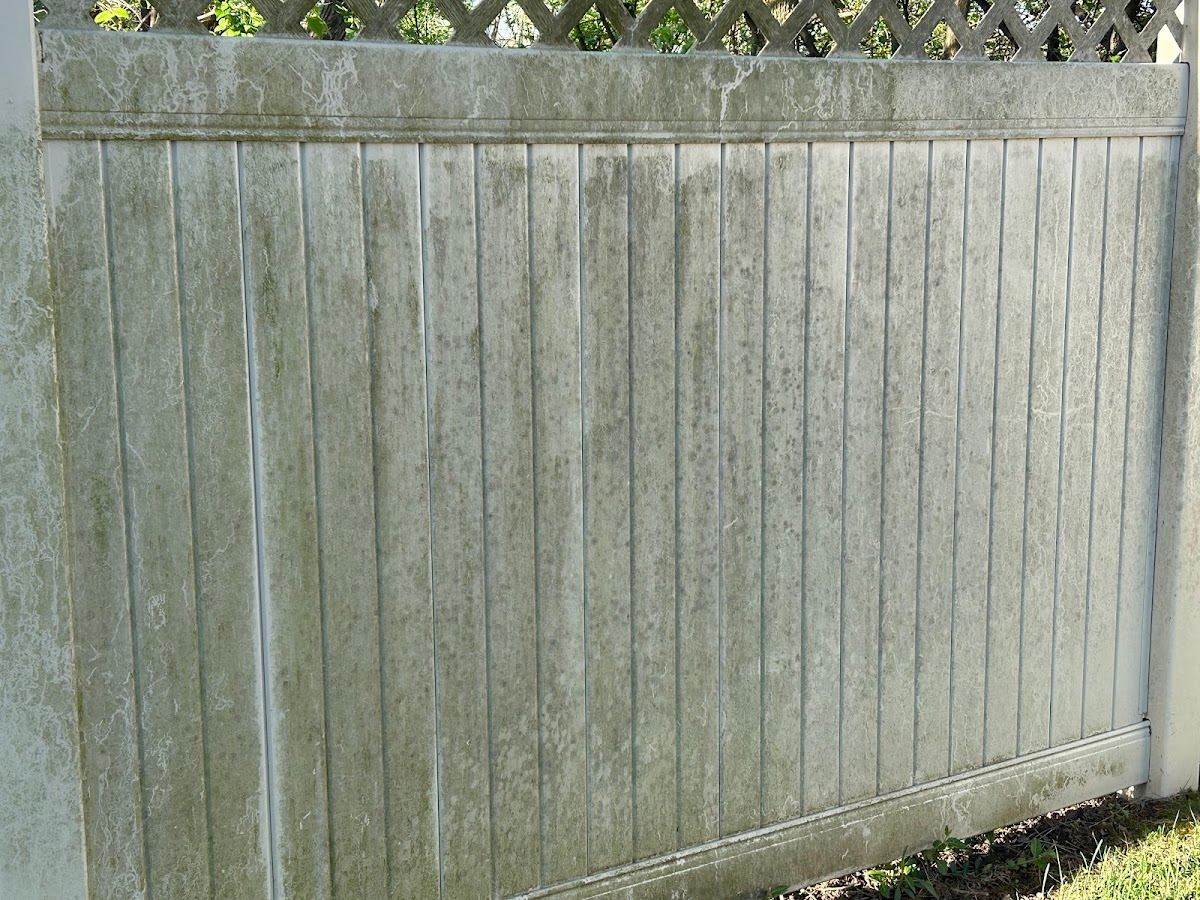
The green is algae. The near-black streaks and spots are mildew and a hardy blue-green algae called Gloeocapsa magma, the same organism that stains roofs and siding. Both thrive in humidity, and the I-75 corridor from Dayton to Cincinnati holds humidity for months at a time. Shaded fence lines, the north-facing side of a run, and sections tucked under trees stay damp the longest, so they green up first.
Freeze-thaw makes it worse. Water works into the surface of wood and into micro-cracks in vinyl and paint, then freezes and expands overnight. Over a winter this opens the grain and roughens the finish, giving algae and mildew more places to anchor. Add spring tree pollen, summer dust, and the road salt and grime that drift onto fences near driveways and busy streets, and you get the gray, blotchy, streaked look most fences carry by mid-summer. Left alone, that biological growth holds moisture against the material and shortens its life. The same organisms attack a wood or composite deck and the walls of your home, which is why soft-wash house washing and fence cleaning often get scheduled together.
How We Clean a Fence, Step by Step
Fence cleaning is a soft-wash job, not a blast-it-clean job. High pressure drives water into wood grain, etches vinyl, and strips paint. It leaves lap marks and fuzzy, splintered wood. We use a surface-safe process built around cleaning solution, not raw pressure.
First we walk the fence with you, note the material and its condition, and look for loose boards, failing stain, or rust. We pre-wet nearby plants and cover anything sensitive. Then we apply a cleaning solution matched to the surface and let it dwell. That dwell time is what actually kills the algae and mildew at the root, so the growth does not come racing back in a few weeks. We agitate stubborn areas by hand where needed, then rinse at low, controlled pressure, working top to bottom so we do not drive dirty water into cleaned sections.
We clean both sides of the fence and both faces of each picket, because a fence cleaned only on the street side still holds growth on the back that will bleed through. We rinse down surrounding foliage again when we finish and check the whole run in good light. What is included is a full wash of the fence, gate hardware wiped down, and the immediate area left rinsed and tidy. Every job starts with a free written estimate so you know the scope before we begin.
Matching the Method to Your Fence Material
The right approach depends entirely on what the fence is made of. This is where a pro earns their keep, because the same technique that safely cleans one material will ruin another.
- Wood (cedar, pine, pressure-treated pickets, split rail): Wood is porous and soft. It needs a cleaning solution and a gentle rinse, never a tight, high-pressure tip. Done right, cleaning lifts the gray weathering and mildew and brings back the natural tone. This is also the ideal moment to inspect for boards that need attention before you re-stain.
- Vinyl and PVC: Vinyl looks tough but scratches and dulls under high pressure, and it chalks with oxidation over time. Soft washing with the correct solution removes green algae, the dull oxidized film, and lawn-fertilizer rust flecks without marring the surface.
- Aluminum and wrought iron: Powder-coated aluminum cleans up quickly, but rust bleed on iron and at fastener points needs the right treatment, not a wire brush that scars the coating.
- Chain link: The mesh and top rail collect algae and grime that a soft wash clears, brightening galvanized and vinyl-coated links alike.
- Composite: Manufacturers warn against high pressure. A solution-first soft wash is the safe route, the same principle we use on a composite deck.
Signs Your Fence Is Overdue for a Cleaning
A fence declines slowly, so it is easy to stop noticing. These are the practical signs it is time to book a wash.
- Green tint or fuzzy patches, worst on the shaded and north-facing side.
- Black speckling or dark streaks that look like dirt but do not brush off.
- A white, chalky film on vinyl that rubs onto your hand when you touch it.
- Rust-colored spots near the ground from lawn fertilizer or from iron hardware.
- Wood that has gone flat gray, feels rough, or is starting to feel damp and spongy in shaded spots.
- A musty smell along the fence line after rain.
- Stain or paint that is peeling, which usually means growth has gotten underneath it.
If you are planning to stain or paint, cleaning is not optional. A fresh coat over algae, mildew, and surface film will not bond well and will fail early. Clean first, let it dry, then finish.
How Often to Clean, and the Best Time of Year
For most Ohio properties, a wash once a year keeps a fence healthy and looking right. Vinyl and painted fences in shady, humid spots often do best on a slightly tighter schedule because algae returns faster where the surface stays wet. Aluminum and iron are lower-maintenance and can usually stretch longer between cleanings. Fences under trees, near a pond or creek, or on the damp side of the house always green up sooner than a fence in full sun.
Timing matters. Late spring through early fall is ideal because temperatures let the cleaning solution work and the fence dries fully afterward. Spring is a favorite because it clears off a winter of pollen, mildew, and road grime and sets you up for the season. Fall is smart too, since removing organic growth before winter means less moisture trapped against the material during freeze-thaw. If you are re-staining, plan the cleaning a couple of dry days ahead so the wood is fully dry before the finish goes on. Getting on a yearly rhythm is far easier on the fence, and cheaper over time, than waiting until it is heavily stained and the growth has dug in.
What Makes the Results Last
Two fences cleaned on the same day can look completely different six months later. The difference is usually method and setting, not luck.
The single biggest factor is killing the growth at the root rather than just rinsing it off the surface. A pressure-only cleaning removes the visible green but leaves living spores behind, so it comes back fast. A proper solution-based soft wash treats the organism, which is why the clean holds far longer. Beyond that, sun exposure and airflow help a fence stay clean, while heavy shade, poor drainage, and overhanging branches work against it. Trimming back vegetation so the fence dries out after rain buys you real time between cleanings.
The condition of the finish matters too. A fence with intact stain or a sound powder coat sheds growth better than bare, weathered wood or chalky vinyl. That is why cleaning and refinishing go hand in hand, and why keeping up with a yearly wash protects the finish you already paid for. We are happy to point out what will help your specific fence hold its results longer.
Why DIY Fence Cleaning Often Backfires
Plenty of homeowners try a rented pressure washer and a jug of bleach. The intentions are good, but the common mistakes are exactly the ones that damage a fence or hurt the yard.
- Too much pressure. A high-pressure tip in inexperienced hands gouges wood grain, etches vinyl, and blasts stain off in strips. That damage is permanent, and it invites more moisture and growth.
- Wrong solution, wrong mix. A heavy bleach solution can scorch or discolor wood and kill grass, shrubs, and flower beds along the fence line. Too weak, and it will not kill the growth, so you are back to green in weeks.
- Skipping plant protection. Not pre-wetting and rinsing surrounding plants is the fastest way to end up with brown, dead landscaping next to a clean fence.
- Rinsing bottom-up or missing a side. Working the wrong direction leaves streaks; cleaning only the visible face lets growth bleed back through from behind.
- Ladder and pressure-kickback injuries. Wet fences, awkward reaches, and a pressure wand that jumps are a real hazard.
A licensed and insured pro carries the equipment, the correctly mixed solution, and the coverage that protects you if something goes wrong on your property. We treat your property as our own, protect your landscaping, and stand behind the work.
Get a Free Fence Cleaning Estimate
Redhead Pressure Cleaning is a local, owner-operated, licensed and insured company serving Springboro, Dayton, Cincinnati, and the I-75 corridor across Ohio. Whether your fence is wood, vinyl, aluminum, or chain link, we will match the right surface-safe method to it and bring back a clean, healthy fence line. Ask us about pairing it with house washing or a deck cleaning on the same visit. Call or text us at (351) 242-0666 for a free written estimate, and we will take it from there.
Real Jobs
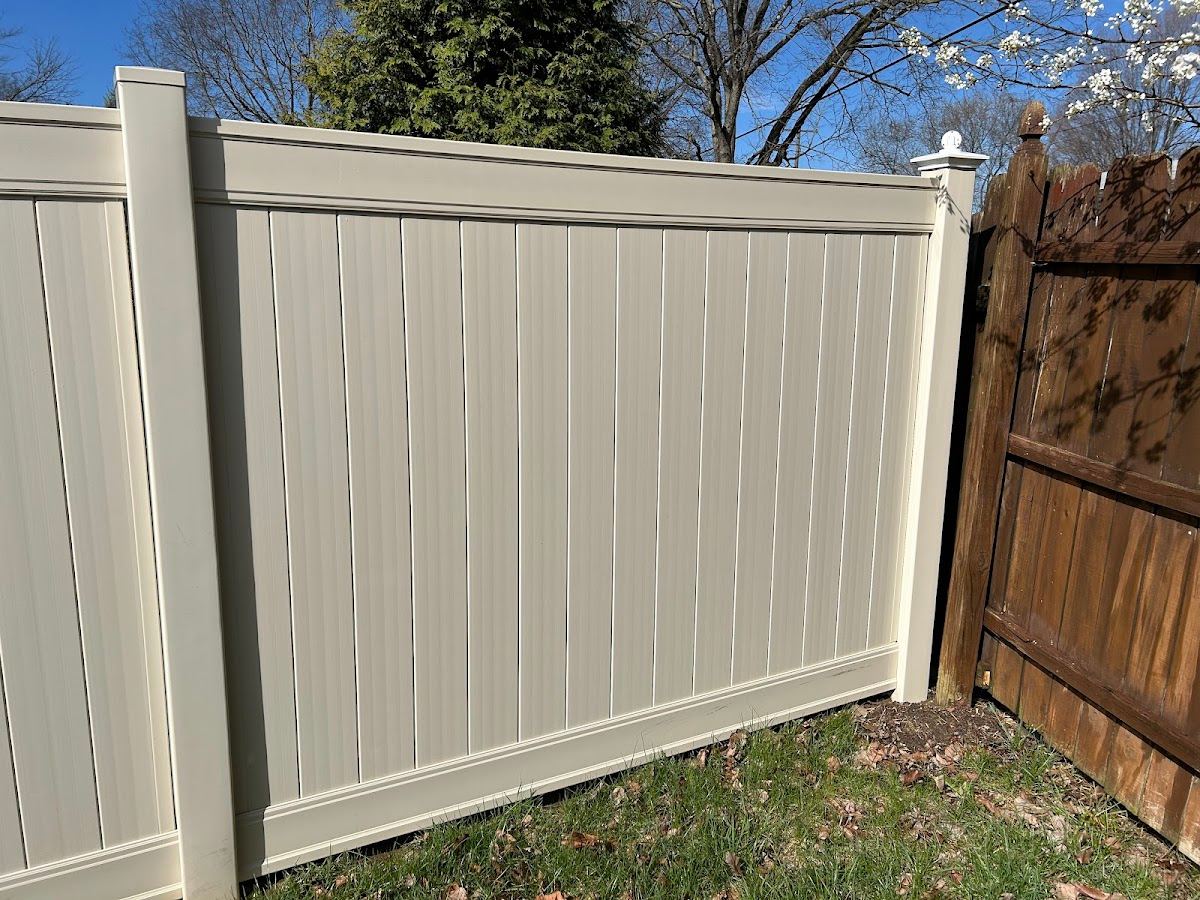
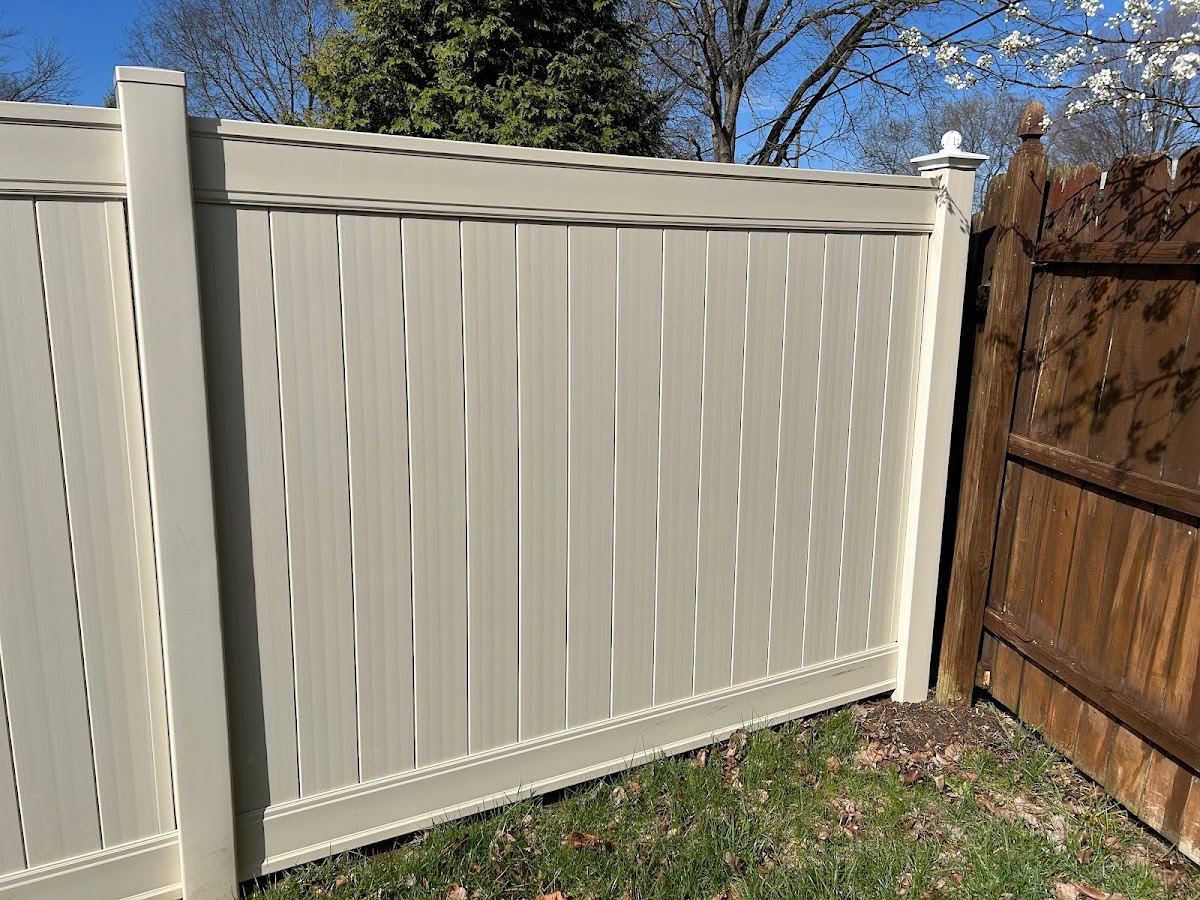
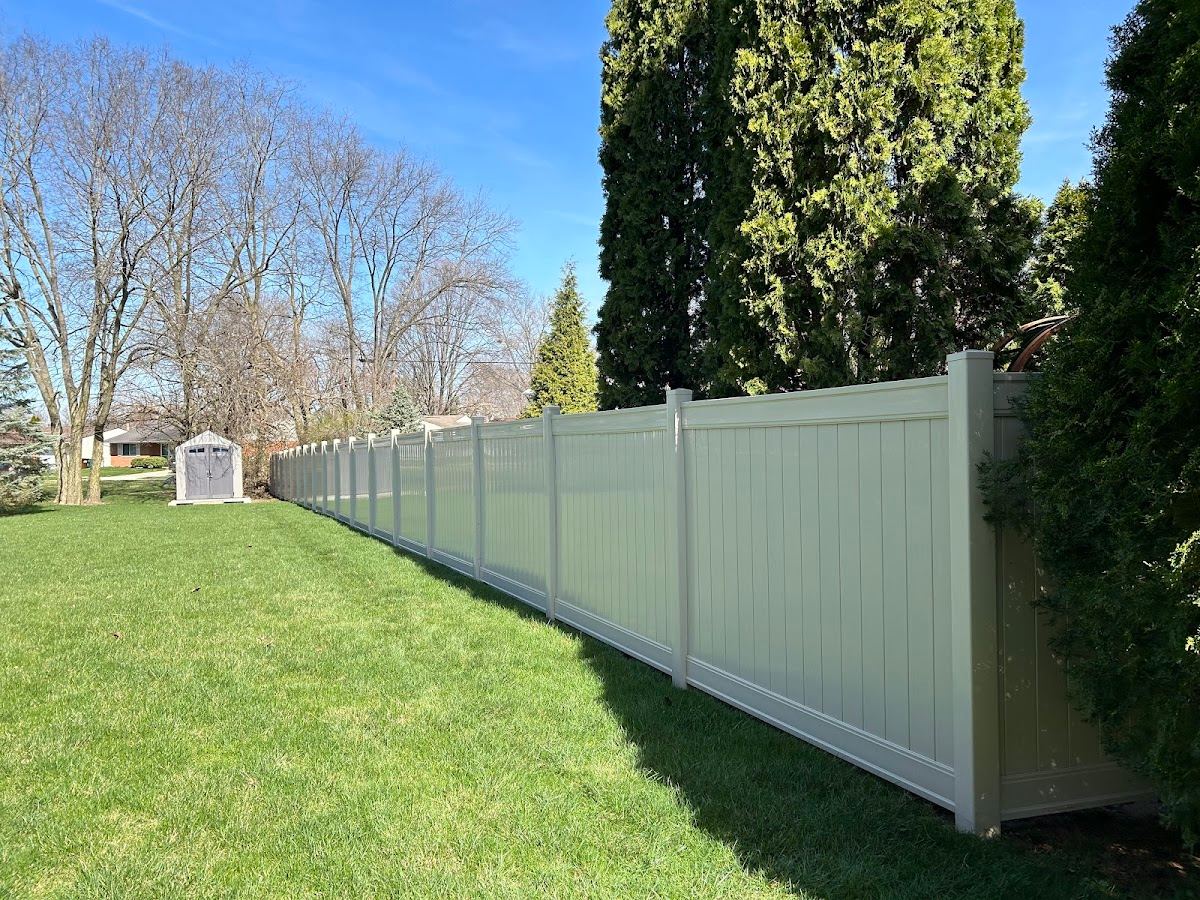
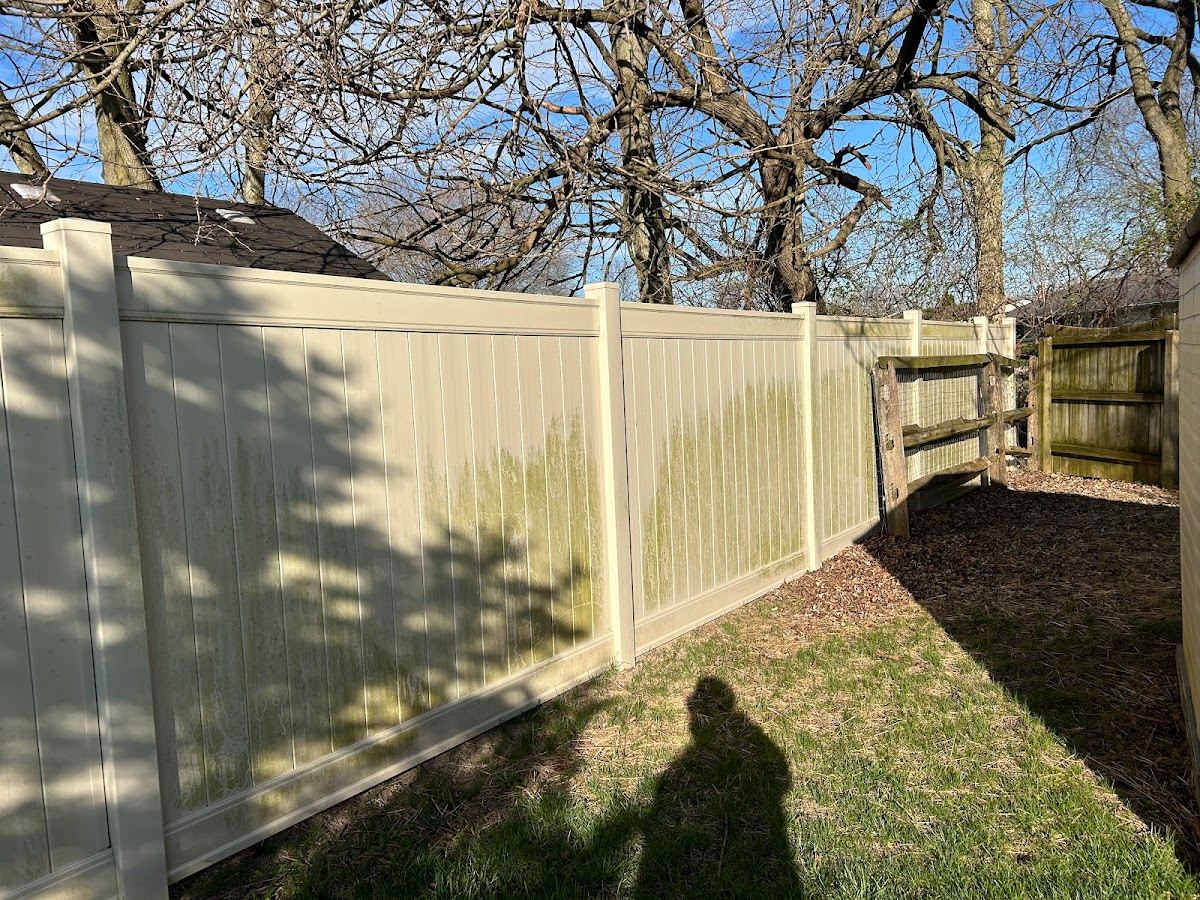
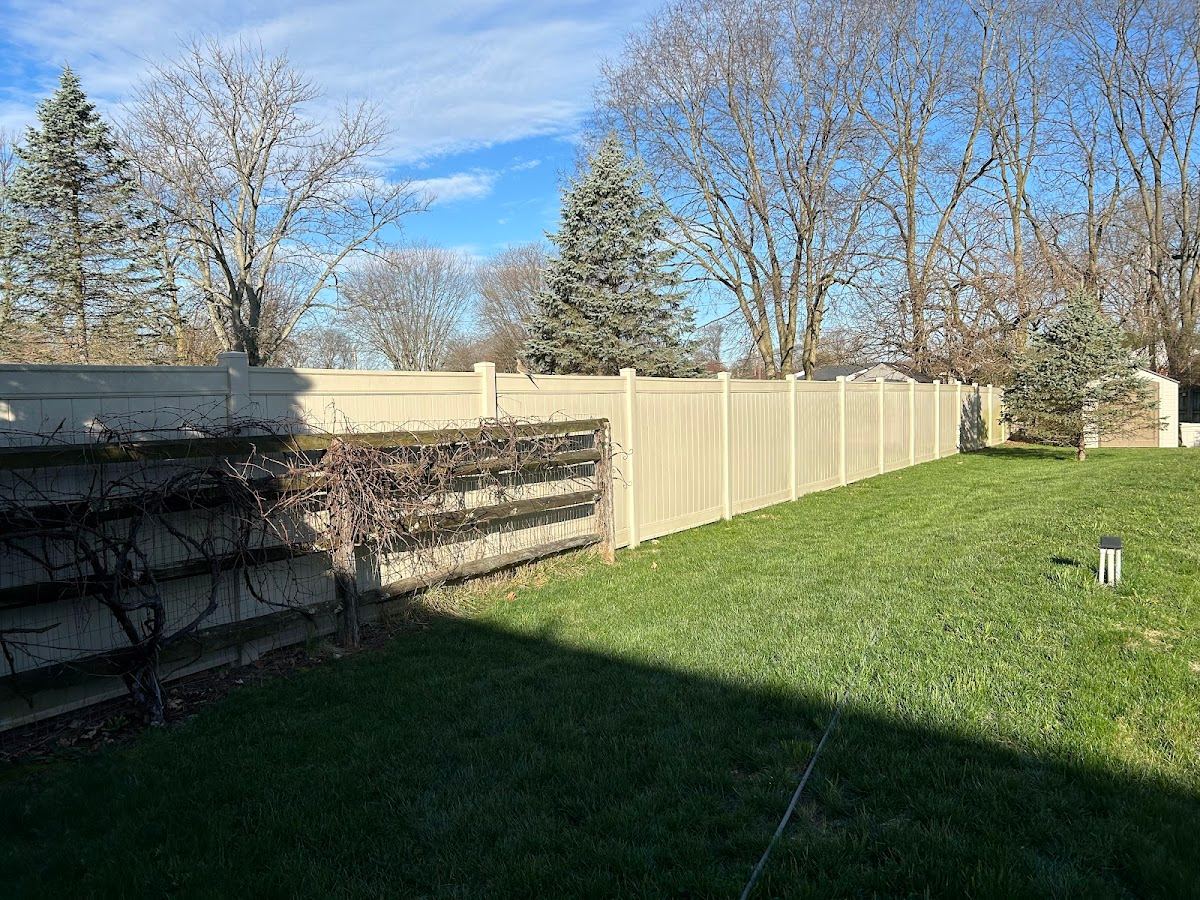
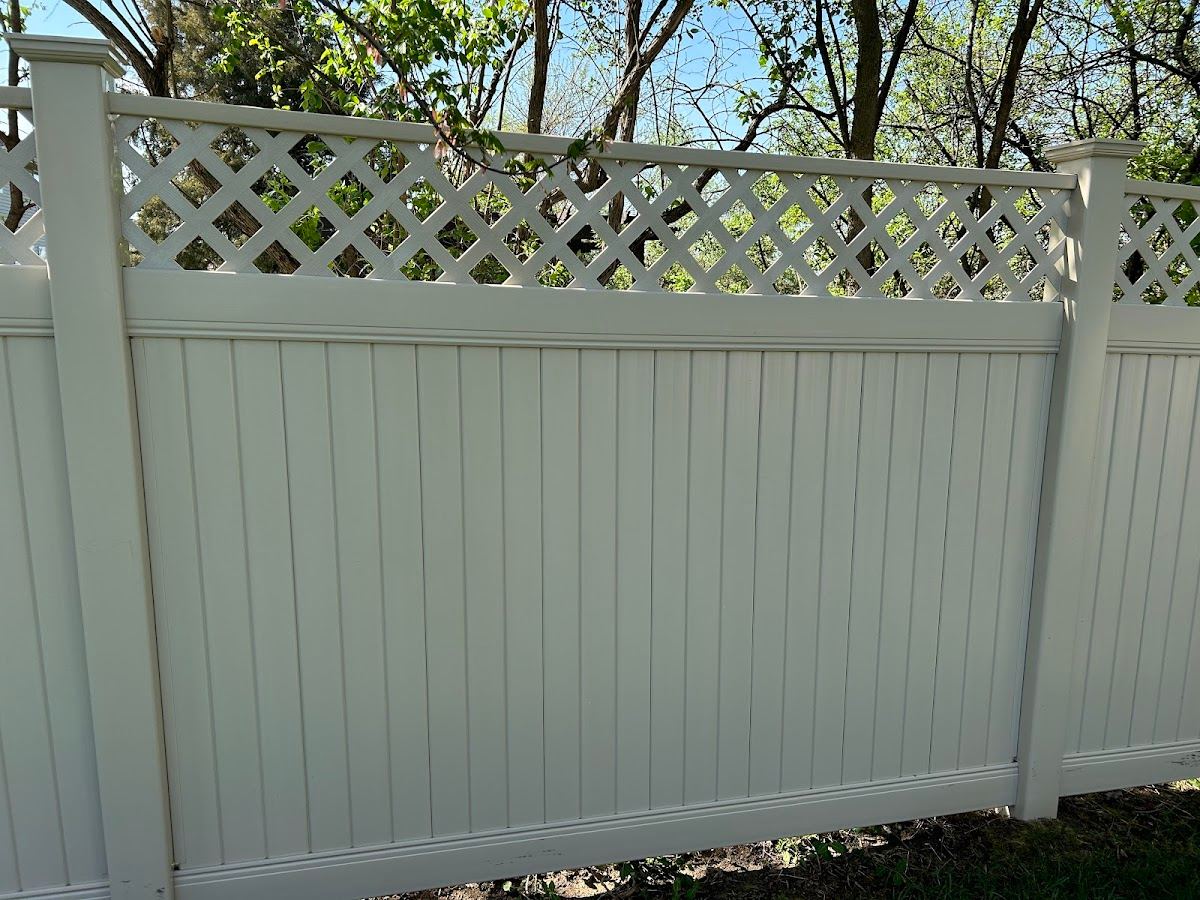
Fence Cleaning — Recent Work
Real photos from Redhead Pressure Cleaning jobs across Ohio.
How It Works
Our Fence Cleaning Process
- 1
Request a Free Estimate
Call or text us a quick description (a photo helps) and we send back a clear, no-obligation quote.
- 2
We Inspect the Surface
We look at the material, the buildup, and the surroundings to choose the safest, most effective method.
- 3
We Choose the Right Method
High pressure for hard surfaces, low-pressure soft washing for siding, roofs, and delicate materials.
- 4
We Wash Safely & Thoroughly
We protect landscaping, apply surface-safe cleaning solutions, and clean every section with care.
- 5
Final Walkthrough
We walk the finished work with you to make sure you're happy before we pack up.
Related Services
Questions
Fence Cleaning FAQs
It can, if it is done with high pressure. High-pressure tips gouge wood grain and etch or dull vinyl. We clean fences with a surface-safe soft-wash approach: a cleaning solution does the work and we rinse at low, controlled pressure, so the material is not harmed.
Our process treats it. We apply a cleaning solution and let it dwell so it kills the algae and mildew at the root, then rinse. That is why a proper soft wash stays clean much longer than a pressure-only rinse, which removes the visible green but leaves living spores that regrow within weeks.
Yes, always. Stain and paint will not bond properly over algae, mildew, dirt, or chalky oxidation, and the finish will peel early. Clean the fence first, let it dry for a couple of dry days, then apply the finish for a coat that lasts.
Not with the precautions we take. We pre-wet surrounding plants before we start and rinse them again when we finish, and we control the solution so it stays on the fence. Landscaping damage is one of the most common outcomes of a DIY bleach mix, and it is one of the main reasons to hire a pro.
Vinyl, aluminum, and chain link are essentially dry within hours. Wood holds moisture longer and should dry for a day or two before you stain or paint, depending on the weather. On a warm, breezy Ohio day everything dries quickly.
We can focus on a problem area, but we recommend cleaning both sides of any run. Growth left on the back face holds moisture and bleeds through, so a fence cleaned on only one side greens up again faster. We will walk the fence with you and scope it out in the free estimate.
Often, yes. Those rust-colored spots usually come from lawn fertilizer overspray or from iron hardware, and they respond to the right rust treatment rather than a wire brush that would scar the coating. We will assess the staining during the estimate and let you know what to expect.
Yes. We are based in the Springboro and Franklin Township area and serve the I-75 corridor from Dayton to Cincinnati, plus surrounding communities and Ohio statewide. Call or text (351) 242-0666 for a free written estimate anywhere in our service area.
Request a Free Estimate
Tell us about your fence cleaning job — a photo helps us quote fast.
Ready for Professional Fence Cleaning?
Get a free, no-obligation estimate for fence cleaning anywhere in Springboro, the I-75 corridor, and across Ohio.