Residential Service
Driveway Cleaning Services in Ohio
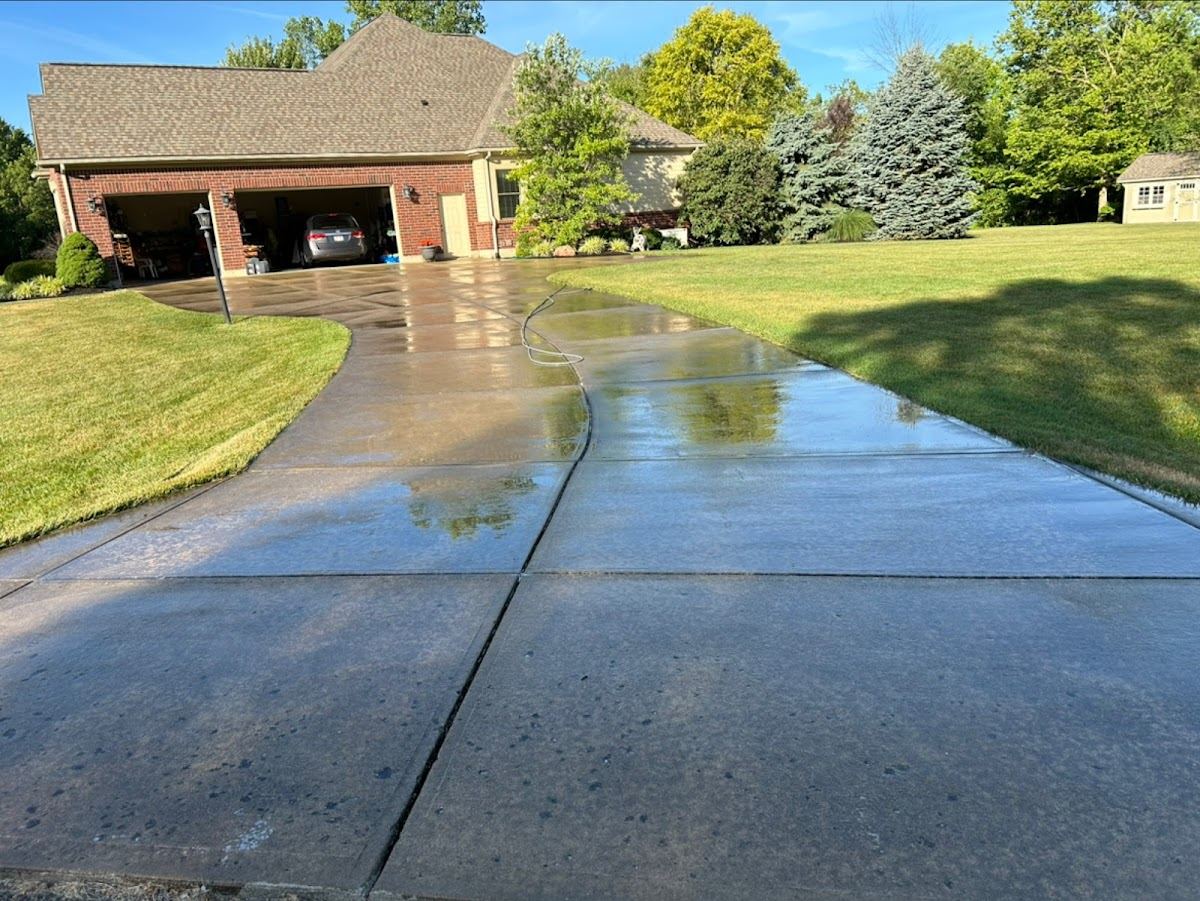
Surface-cleaned concrete that looks years younger — and lasts longer.
Driveway Cleaning in Ohio
A clean driveway is the first thing people notice about your home — and the dark stains, oil spots, and algae that build up over an Ohio year make the whole property look older. Our surface-cleaner pressure washing pulls all of it out of the concrete for an even, brighter finish, with optional sealing to protect it.
The Problem
Ohio's freeze-thaw cycles turn small cracks into spalling, while oil, tire marks, salt, and algae accelerate decline and make concrete slippery.
Our Surface-Safe Approach
High-pressure surface cleaning with surface-safe degreasers for an even finish, plus optional concrete sealing to protect against moisture penetration.
The Result
A clean, uniform, safer driveway that resists future staining and lasts longer in Ohio weather.
Why choose Redhead for driveway cleaning
- Even, streak-free surface-cleaner finish
- Removes oil, rust, salt, algae, and tire marks
- Optional sealing to protect against Ohio winters
- Safer, less slippery surface
- Instantly boosts curb appeal
Adding a concrete sealant after cleaning is the single best way to extend your driveway's life in Ohio's freeze-thaw climate.
Driveway Cleaning in Ohio
Your complete guide to driveway cleaning in Ohio
Why Ohio Driveways Get Dirty Faster Than the Rest
Your driveway takes more abuse in the Miami Valley than almost any other surface on your property. It sits flat, holds moisture, and faces the sky all year. That combination is exactly what organic growth wants.
The dark streaks and green tint you see are usually living things. Black staining is often Gloeocapsa magma, a hardy blue-green algae that feeds on the limestone dust in concrete and the organic film left by pollen and leaves. Green and slick patches are algae and moss. Both thrive in the humid, shaded, damp conditions common along the I-75 corridor between Dayton and Cincinnati, especially where tree cover keeps a slab from drying out.
Ohio's freeze-thaw cycle makes it worse. Water works its way into the concrete's pores, freezes, expands, and pushes the surface apart from the inside. Every winter opens the pores a little more, giving algae and grime deeper places to root. Add spring pollen, summer humidity, fallen leaves that stain as they rot, and the road salt and de-icer your tires drag up the drive all winter, and you have a surface that ages quickly if it is never cleaned. Salt is especially rough on concrete because it accelerates that freeze-thaw scaling and leaves a white residue that dulls the finish. Regular professional concrete cleaning pulls that buildup out before it does structural harm.
How Professional Driveway Cleaning Actually Works
Blasting a driveway with raw pressure is the wrong mental model. The right approach treats the growth as a biological problem first and a dirt problem second.
We start with a walkthrough to identify what we are dealing with: algae, moss, rust, tire marks, oil, efflorescence, or plain traffic grime. We protect the surrounding landscaping and pre-wet plants and grass so the cleaning solution can't harm them. Then we apply a surface-safe cleaning solution and let it dwell. This is the step that matters most. The solution kills the algae, mold, and mildew at the root rather than just knocking the color off the top, which is why a properly treated driveway stays clean far longer than one that was only sprayed down.
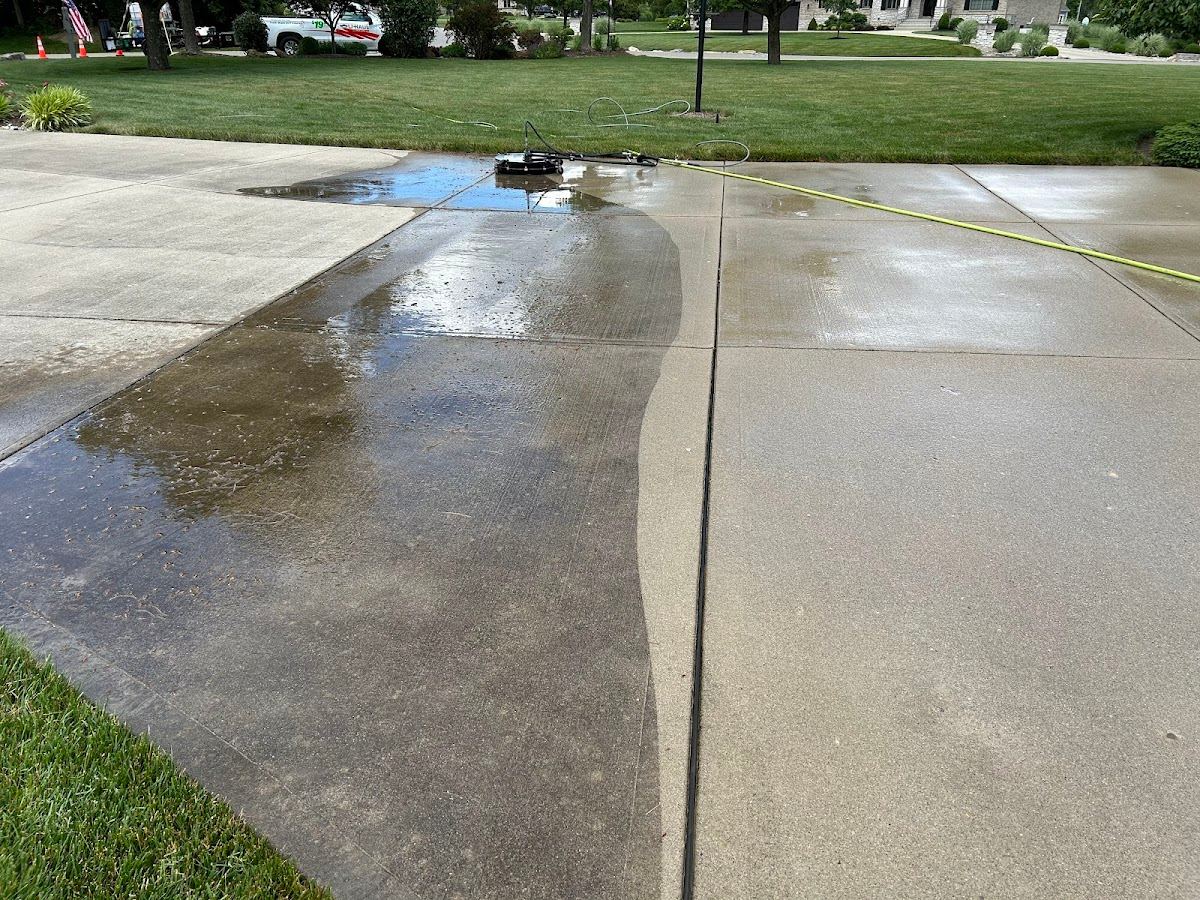
Once the growth is broken down, we clean the concrete with a controlled, even pass so there are no streaks, zebra stripes, or wand marks. A final rinse carries the loosened material off the slab and away from your landscaping and storm drains. On badly stained or textured concrete we use a flat-surface cleaner that spins the water in a sealed housing, giving a uniform finish that a handheld wand simply can't match. The goal is a driveway that looks consistent edge to edge, not one clean stripe surrounded by grime. The same careful process carries over to your walkways and sidewalks, which usually need attention at the same time.
Matching the Method to Your Surface
"Driveway" covers several very different materials, and each one has a breaking point. Using one pressure setting for all of them is how driveways get damaged.
- Poured concrete: Durable but not indestructible. Too much pressure etches the surface, opens the pores, and leaves wand lines that trap dirt faster afterward. We clean it with even pressure and rely on the cleaning solution to do the heavy lifting.
- Pavers and stamped concrete: These need a surface-safe, lower-pressure approach. Aggressive pressure strips the joint sand between pavers and can blow out the decorative topcoat on stamped work. After cleaning, many paver drives benefit from re-sanding and professional paver sealing to lock the joints and protect the color.
- Exposed aggregate: The decorative stones are held by a thin cement matrix that high pressure will chew right out. This surface calls for a gentler, soft-wash method.
- Asphalt: Softer than it looks, and easy to gouge. It cleans best with lower pressure and the right solution rather than brute force.
Knowing which surface you have and where its limits are is the difference between a driveway that looks new and one that shows cleaning damage for years. When we give you a free written estimate, we identify your surface and explain exactly how we'll treat it.
Signs Your Driveway Is Overdue for a Cleaning
Most homeowners wait until the driveway looks obviously filthy. By then the growth has usually been established for a while. Here is what to actually watch for:
- Black or gray streaks and blotches running with the slope of the drive, the classic look of algae feeding on the concrete.
- Green tint or slick spots, especially in shaded areas or along the edges where water lingers. Slick algae is a genuine slip hazard.
- A driveway that is noticeably lighter under a parked car or a planter than the exposed areas around it. That contrast is buildup, not fading.
- White, chalky patches, which is efflorescence or salt residue drawn to the surface, common after an Ohio winter.
- Dark oil and transmission spots near where you park. These need targeted treatment, not just a general wash, which is why we handle oil stain removal as its own step.
- Moss creeping in from the joints and edges. Moss holds moisture against the concrete and speeds up freeze-thaw damage.
If you are seeing two or more of these, the driveway is past due. The sooner organic growth is removed, the less it feeds and spreads.
How Often to Clean, and When to Do It in Ohio
For most Springboro and greater Dayton homes, once a year keeps a driveway looking sharp and stops growth before it takes hold. Plan on twice a year if your driveway sits in heavy shade, under trees that drop pollen and leaves, or takes a lot of traffic. Shaded, north-facing, and tree-covered slabs almost always need the extra visit because they stay damp and never fully dry out.
Timing matters as much as frequency. Spring is the most popular window. It clears off the winter's road salt, de-icer residue, and the film left by months of damp weather, and it knocks back algae before the warm season lets it explode. Fall is the other strong choice, cleaning up pollen and leaf staining and getting the surface clean before winter sets in. We schedule around dry, mild stretches so the slab dries evenly and the results last. Cleaning in a warmer, drier window also means the driveway is ready to use sooner. If you are considering sealing, cleaning first is mandatory, since sealer traps whatever is on the surface underneath it.
DIY Driveway Cleaning Mistakes That Cost You Later
A rented pressure washer looks like an easy weekend project. The problem is that the same machine that cleans concrete can permanently damage it, and most of the damage does not show up until later.
- Too much pressure, too close. The most common mistake. Holding a narrow tip close to concrete etches lines into the surface, opens the pores, and leaves permanent "wand marks." Once the surface is roughened, it holds dirt and grows algae faster than before.
- Zebra striping. Uneven passes leave a pattern of clean and dirty stripes that is very hard to correct after the fact.
- Skipping the cleaning solution. Water alone strips the color off algae but leaves the roots behind. The green comes back within weeks. Without the right dwell step, you are cleaning the same driveway again and again.
- Killing the landscaping. Store-bought concentrates and runoff can burn grass, shrubs, and flower beds if the plants aren't pre-wet and protected, and if the runoff isn't controlled.
- Driving growth into the pores. Blasting moss and algae without treating it first can push spores deeper into the concrete, spreading the problem instead of solving it.
The rental itself, the solution, and the time add up, and a single mistake can leave a mark you'll see for years. A professional job costs less than repairing an etched or striped slab.
Why a Licensed and Insured Local Pro Is Worth It
Driveway cleaning is one of those services where the difference between good and bad is invisible until it is too late. A pro brings the right equipment, the right cleaning solution, and the judgment to match both to your specific surface, then stands behind the work.
Being licensed and insured matters more than most people realize. If a driveway gets damaged or something goes wrong on your property, an uninsured operator leaves you holding the bill. We carry insurance, we clean up after ourselves, and we treat your property as our own. As a local, owner-operated company based in Springboro and the Township of Franklin, we know exactly what Ohio's climate does to concrete, and we are around to answer for our work. We serve homeowners across the I-75 corridor, from Springboro and Dayton to Centerville and throughout the region.
If your driveway has lost its color to algae, salt, or years of grime, we'll tell you honestly what it needs. Reach out for a free written estimate. Call or text (351) 242-0666 and we'll get you on the schedule.
Real Jobs
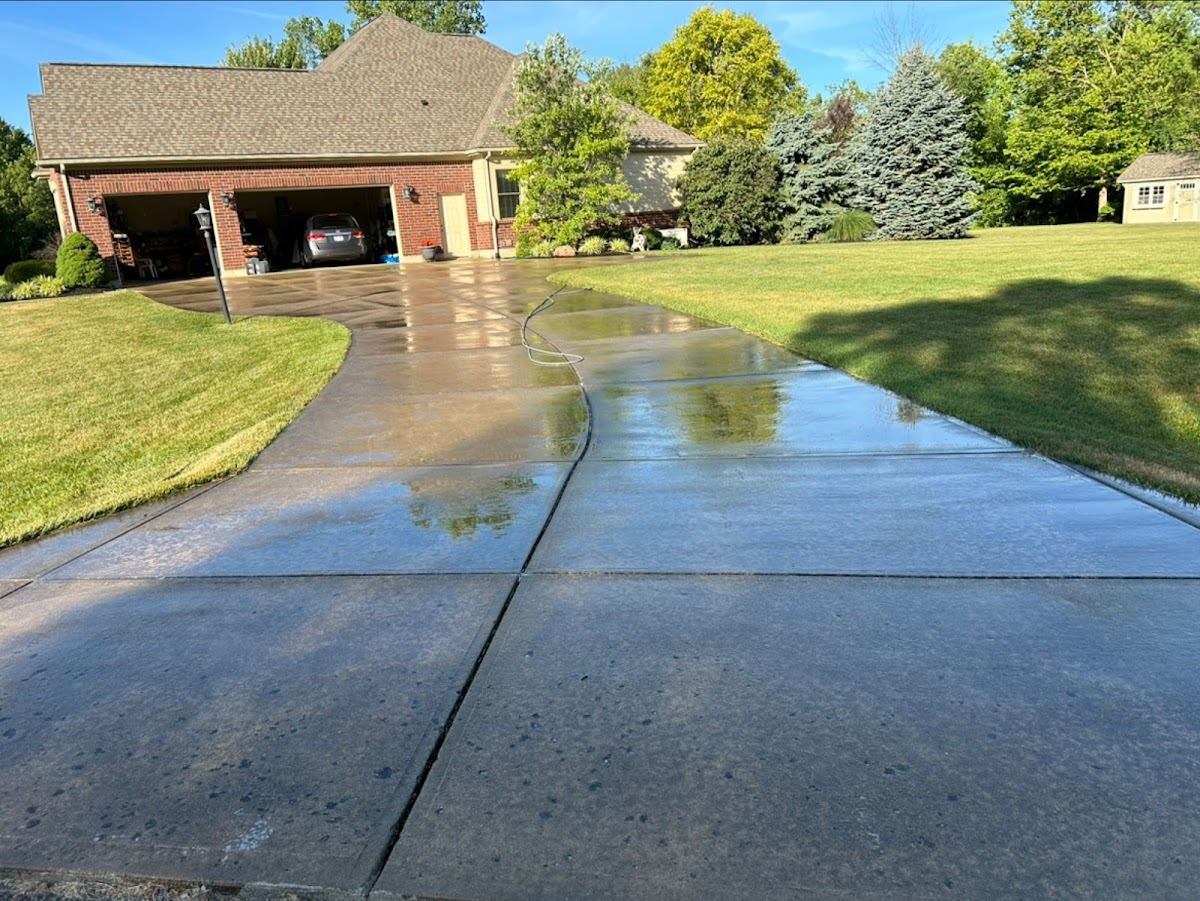
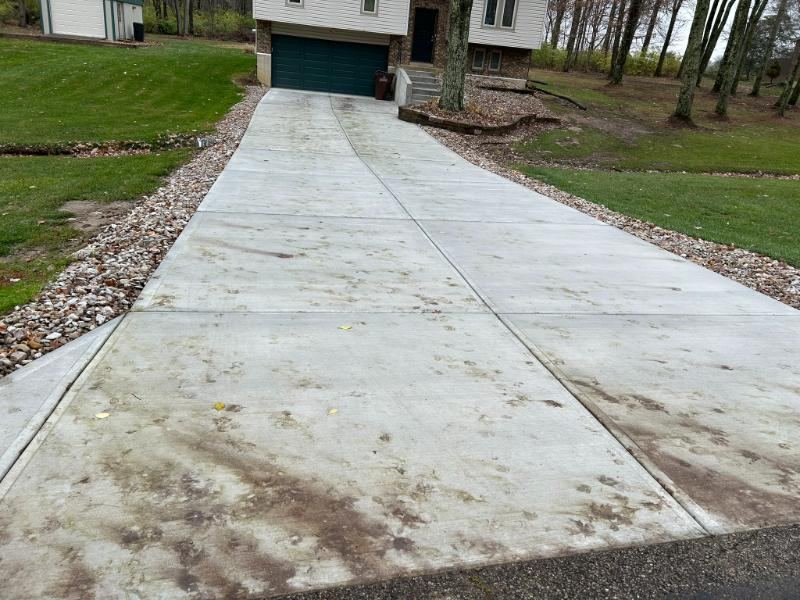
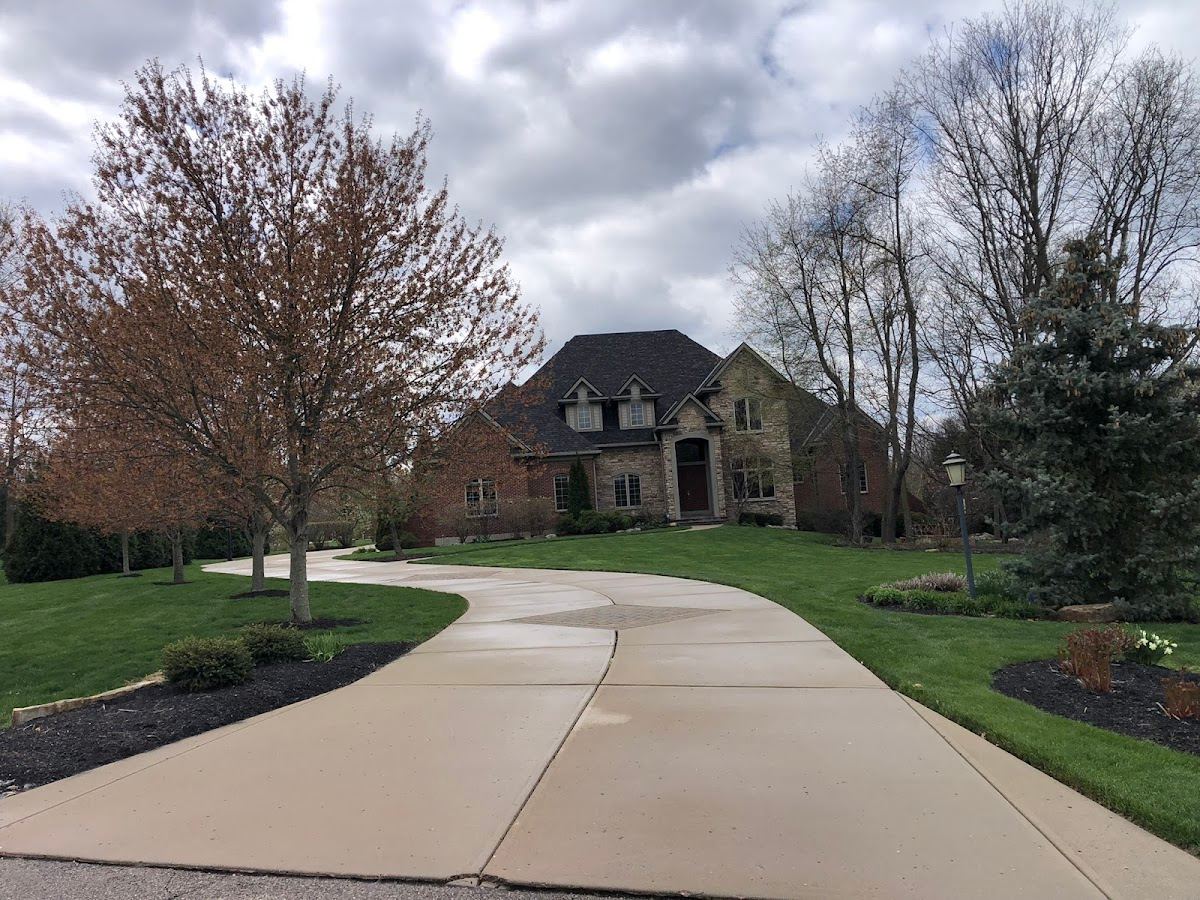
Driveway Cleaning — Recent Work
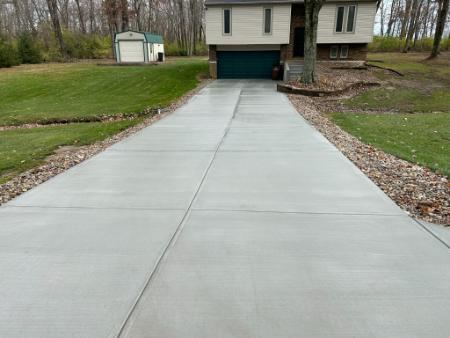
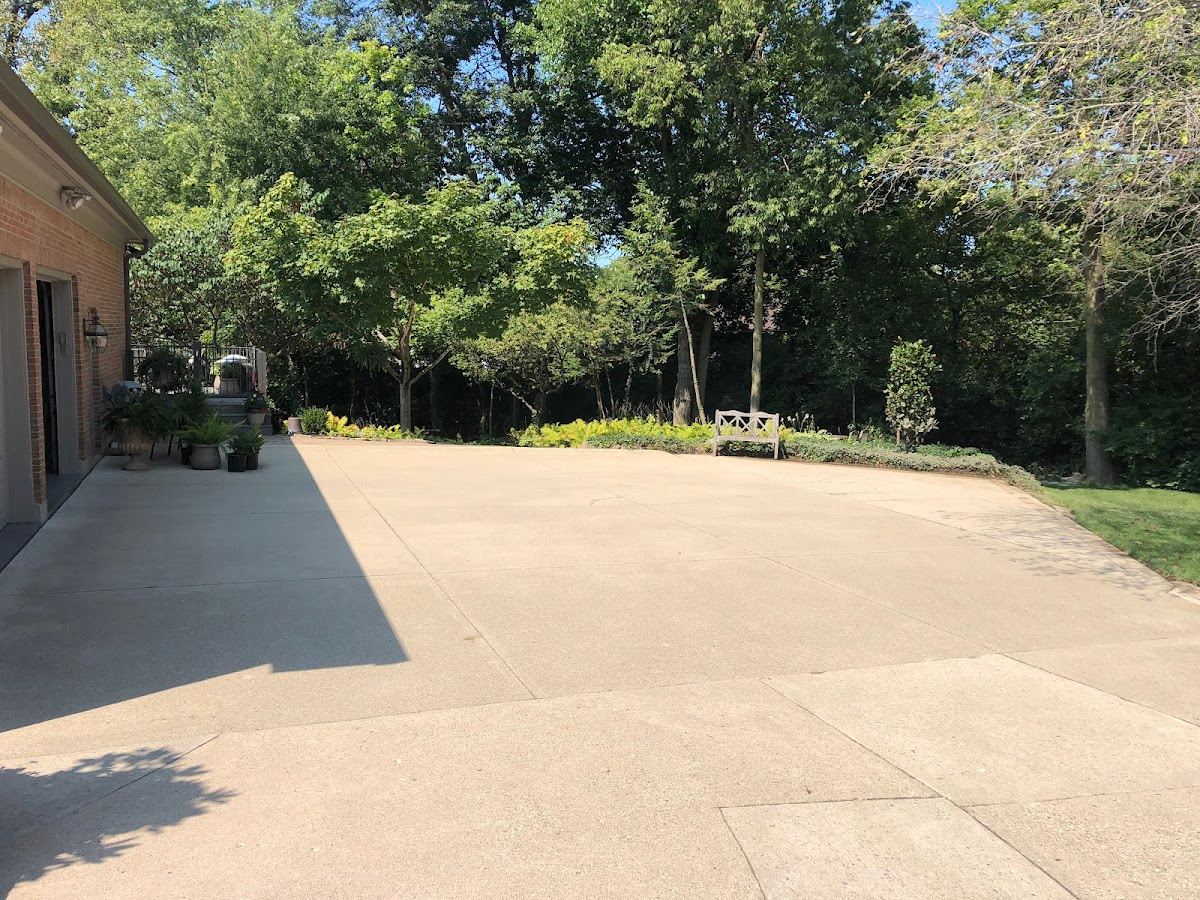
Real photos from Redhead Pressure Cleaning jobs across Ohio.
How It Works
Our Driveway Cleaning Process
- 1
Request a Free Estimate
Call or text us a quick description (a photo helps) and we send back a clear, no-obligation quote.
- 2
We Inspect the Surface
We look at the material, the buildup, and the surroundings to choose the safest, most effective method.
- 3
We Choose the Right Method
High pressure for hard surfaces, low-pressure soft washing for siding, roofs, and delicate materials.
- 4
We Wash Safely & Thoroughly
We protect landscaping, apply surface-safe cleaning solutions, and clean every section with care.
- 5
Final Walkthrough
We walk the finished work with you to make sure you're happy before we pack up.
Questions
Driveway Cleaning FAQs
It can if it's done wrong. Too much pressure held too close etches the surface, opens the pores, and leaves permanent wand marks that trap dirt afterward. Done correctly, with pressure matched to the surface and a cleaning solution doing most of the work, it cleans deeply without harming the concrete. Matching the method to the material is exactly why hiring a pro pays off.
Because water alone only strips the color off the algae; it leaves the living roots behind in the pores. Within weeks the growth comes right back. A proper cleaning applies a surface-safe solution that kills the algae, mold, and mildew at the root, so the driveway stays clean for far longer instead of regrowing in a month.
Yes. The white, chalky film left after an Ohio winter is salt and de-icer residue, and it dulls the finish while accelerating freeze-thaw scaling. We clean it off with a solution and rinse designed to lift salt out of the surface. Spring is the ideal time to do it, right after the salt season ends.
Sealing is optional but helpful. It slows down algae, dirt, and salt from getting into the pores and makes future cleanings easier. If you do seal, the driveway must be cleaned first, because sealer locks whatever is on the surface underneath it. We can talk through whether sealing makes sense for your specific slab.
A cleaned driveway is usually ready to walk on quickly and to park on within a few hours, depending on the weather. We schedule jobs during dry, mild stretches so the slab dries evenly and quickly. If you plan to seal, that requires a longer, fully dry window.
We clean all of them, but each needs a different approach. Pavers and stamped concrete require a surface-safe, lower-pressure method so we don't strip joint sand or blow out the decorative topcoat. Poured concrete and exposed aggregate each have their own limits too. We identify your surface during the free estimate and explain how we'll treat it.
Not with the right precautions. We pre-wet and protect surrounding landscaping before we start and control the rinse so runoff is directed away from beds and storm drains. Damaged plants usually come from DIY jobs using store-bought concentrates without protecting the plants first.
Once a year keeps most driveways looking sharp and stops growth before it establishes. Go with twice a year if your driveway sits in heavy shade, under trees, or gets a lot of traffic, since those slabs stay damp and grow algae faster. Spring and fall are the best times to schedule.
Request a Free Estimate
Tell us about your driveway cleaning job — a photo helps us quote fast.
Ready for Professional Driveway Cleaning?
Get a free, no-obligation estimate for driveway cleaning anywhere in Springboro, the I-75 corridor, and across Ohio.