Residential Service
Concrete Cleaning Services in Ohio
Driveways, patios, and walkways restored — cleaning and sealing.
Concrete Cleaning in Ohio
Concrete looks permanent, but it is porous — and it soaks up algae, grime, rust, and organic stains that darken it year after year. We bring concrete back to an even, bright finish with professional surface cleaners, and we can seal it afterward to keep it that way through Ohio's seasons.
The Problem
Algae, grime, rust, and organic buildup darken and weaken concrete, and unsealed concrete cracks and spalls in Ohio's climate.
Our Surface-Safe Approach
Surface-cleaner pressure washing for a uniform finish, with optional sealing to extend lifespan. Concrete cleaning and sealing is one of our core offerings.
The Result
Brighter, uniform concrete that resists staining and lasts longer.
Why choose Redhead for concrete cleaning
- Even, professional surface-cleaner finish
- Removes algae, rust, oil, and organic stains
- Optional sealing for long-term protection
- Safer, brighter walking and parking surfaces
- One crew for every concrete surface on your property
A surface cleaner gives a streak-free, even finish that a handheld wand can never match on large concrete areas.
Concrete Cleaning in Ohio
Your complete guide to concrete cleaning in Ohio
Why Ohio Concrete Turns Green, Black, and Gray in the First Place
Those dark stains creeping across your concrete are not just dirt. They are living organisms. The black and green streaks most Springboro homeowners see are algae and cyanobacteria, and the most stubborn offender is a species called Gloeocapsa magma. It anchors into the pores of the slab and forms a sticky biofilm that traps soot, dust, and pollen. That film is what makes the surface feel slick and look permanently grimy no matter how many times you sweep it.
Ohio's climate practically farms this stuff. Our humid summers along the I-75 corridor keep concrete damp for long stretches, and shaded north-facing slabs almost never fully dry out. Add spring and fall pollen, tree tannins dripping from maples and oaks, and the fine grit that road salt and winter traffic leave behind, and you have a buffet for organic growth. Freeze-thaw cycles make it worse. Water soaks into the porous surface, freezes overnight, expands, and pries at the concrete from the inside. Over enough winters that shows up as surface flaking, spalling, and a chalky gray haze.
Left alone, the biofilm holds moisture against the slab and speeds up that freeze-thaw damage. So a green patio is not only ugly and slippery, it is quietly shortening the life of the concrete. Cleaning it properly does two jobs at once: it restores the look, and it removes the moisture-trapping layer that accelerates wear.
How Professional Concrete Cleaning Actually Works
Good concrete cleaning is a chemistry job first and a rinsing job second. Blasting a slab with raw pressure might peel off the top layer of grime, but it leaves the roots of the algae behind, so the stains come right back in a season. We work the other way around.
The process starts by pre-treating the surface with a surface-safe cleaning solution that breaks down the biofilm and kills the algae, mold, and lichen at the root. The solution needs dwell time to penetrate the pores and oxidize the organic growth. Once it has done its work, we rinse. For most residential concrete we use a controlled, even pass with a surface cleaner attachment. That is a spinning bar of nozzles under a flat hood that distributes pressure evenly across the slab. It leaves no zebra stripes, no gouges, and no swirl marks, which is exactly what a wand held too close will leave behind.
A typical visit includes assessing the surface and its condition, pre-treating with the cleaning solution, letting it dwell, cleaning with the surface cleaner, spot-treating heavier stains along edges and expansion joints, and a final rinse to clear residue off the slab and away from your landscaping. We protect nearby plants and take care with runoff, because doing it right means treating your property as our own. If you have several hard surfaces, it often makes sense to bundle the work, whether that is your driveway cleaning, front walk, or a patio cleaning in the same visit.
Matching the Method to the Surface
Not all concrete is the same, and the cleaning method has to match. Reading the surface is where experience pays off.
- Broom-finished driveways and walkways. The rougher texture holds more grime and hides algae in its grooves, so it needs solid dwell time from the cleaning solution and an even surface-cleaner pass to lift growth out of the ridges.
- Smooth or troweled patios and porches. These clean up fast but show wand marks and inconsistent passes easily, so even coverage matters more than raw pressure.
- Stamped or decorative concrete. Often sealed and colored. Aggressive pressure can strip the sealer and dull the color, so this calls for a lower-pressure, solution-forward approach.
- Aggregate and exposed-pebble surfaces. The stones can loosen under a tight, high-pressure jet, so a wider, gentler fan protects the finish.
- Pavers and jointed concrete. Too much pressure blows the sand out of the joints and invites weeds, so we adjust to preserve the joints.
The same logic applies whether we are working on a slab, a set of steps, or a narrow path. For tighter runs like a public walk out front, our sidewalk cleaning uses the same surface-safe approach scaled to the space. The goal is always the deepest clean the surface can safely take, and not one pound of pressure more.
Signs Your Concrete Is Overdue for a Cleaning
Concrete tends to fade gradually, so many people do not notice how dirty it has gotten until they see a clean strip where a planter used to sit. Here are the clear signals it is time to book a cleaning:
- Dark green or black streaks and blotches, especially on shaded, north-facing, or tree-covered areas. That is active algae growth.
- A slick or slippery feel when the surface is wet. The biofilm is a real slip hazard on steps, pool decks, and entryways.
- Orange or brown staining, often from metal furniture, fertilizer, irrigation water, or rebar bleeding through. These rust stains need a dedicated treatment, not just pressure.
- White chalky patches (efflorescence) or a dull gray haze that no amount of sweeping removes.
- Moss or lichen taking hold in low, damp spots or along expansion joints.
- Tire marks, oil spots, and grease collecting near the garage or parking area.
If you are seeing two or three of these, the slab is holding organic growth and grime that will only get harder to remove the longer it sits.
How Often to Clean and When to Do It in Ohio
For most homes in the Dayton-to-Cincinnati area, a professional concrete cleaning once a year keeps surfaces looking sharp and stops algae from ever getting established. Shaded lots, homes under heavy tree cover, and properties near woods or standing water often benefit from a cleaning every year without fail, while a sunny, open slab with good drainage can sometimes stretch to every 18 to 24 months.
Timing matters as much as frequency. The two best windows in Ohio are spring and fall. A spring cleaning clears off the winter's accumulation of road salt residue, grime, and the algae that quietly grew through the damp months, and it resets the concrete before summer entertaining. A fall cleaning strips away pollen, leaf tannin stains, and organic buildup before winter, so there is less moisture-trapping film on the slab heading into freeze-thaw season. That single step can meaningfully slow surface flaking.
If you are only going to do it once a year, fall is the smart choice for protecting the concrete, and spring is the smart choice if curb appeal is the priority. Either way, staying on a regular schedule is far cheaper and easier than reviving a slab that has gone years without attention.
What Determines How Long the Results Last
Two identical-looking slabs can hold their clean for very different lengths of time, and it comes down to a handful of factors:
- Sun and shade. Shaded, damp concrete grows algae back fastest. Full-sun areas stay clean noticeably longer.
- Drainage. Slabs where water pools or where downspouts dump nearby stay wet and regrow quickly. Good runoff extends results.
- Tree cover. Overhanging branches drop pollen, sap, seeds, and leaf debris that feed new growth and stain the surface.
- Sealing. Unsealed concrete is porous and soaks up water, oil, and spores. A clean slab resists regrowth and staining better and stays cleaner longer.
- Concrete age and condition. Older, pitted, or spalled concrete has more pores for growth to take hold, so it needs more frequent attention.
The single biggest lever is consistency. When you clean before growth digs in, each cleaning is easier, the surface stays healthier, and the improvement lasts. Skip it for several years and the algae's roots go deep, staining sets, and the slab needs far more work to bring back.
Why DIY Pressure Washing Often Does More Harm Than Good
Renting a pressure washer for a weekend feels like the frugal move, but concrete is easy to damage and hard to repair. The most common DIY mistakes we get called to fix:
- Too much pressure held too close. A narrow, high-PSI jet etches and pits the surface. Pitting makes the concrete rougher and more porous, which ironically gives algae more places to root, so the problem comes back worse.
- Zebra striping. Waving a wand by hand leaves visible clean-and-dirty stripes and swirl marks that never fully even out. A dedicated surface cleaner exists to prevent exactly this.
- Skipping the cleaning solution. Pressure alone knocks off the top of the algae but leaves the roots. Without a solution to kill it, the green is back within weeks, and blasting it actually sprays living spores across the rest of your property.
- Blowing out joints and sealer. High pressure strips joint sand from pavers and can peel sealer off decorative concrete, leaving it exposed to staining.
- Runoff and plant damage. Cleaning solution and dislodged grime have to be managed so they do not kill landscaping or run where they should not.
A licensed and insured pro brings the right equipment, the right cleaning solution, and the judgment to read each surface, all backed by insurance if something goes wrong. That protection matters. If a DIY job cracks a slab, damages a neighbor's property, or someone gets hurt, that is on you. Hiring a pro takes the risk off your shoulders and gets it done right the first time.
Get a Free Estimate on Your Concrete Cleaning
Redhead Pressure Cleaning is a local, owner-operated company serving Springboro, the Township of Franklin, and communities up and down the I-75 corridor from Dayton to Cincinnati, with service available statewide across Ohio. We are licensed and insured, hold a 5.0-star rating across 55 Google reviews, and we treat every property as our own. Whether it is a stained driveway, a slick patio, or a walkway that has not seen a good cleaning in years, we will match the method to your surface and bring it back safely. Ready to see the difference? Call or text us at (351) 242-0666 for a free written estimate.
Real Jobs
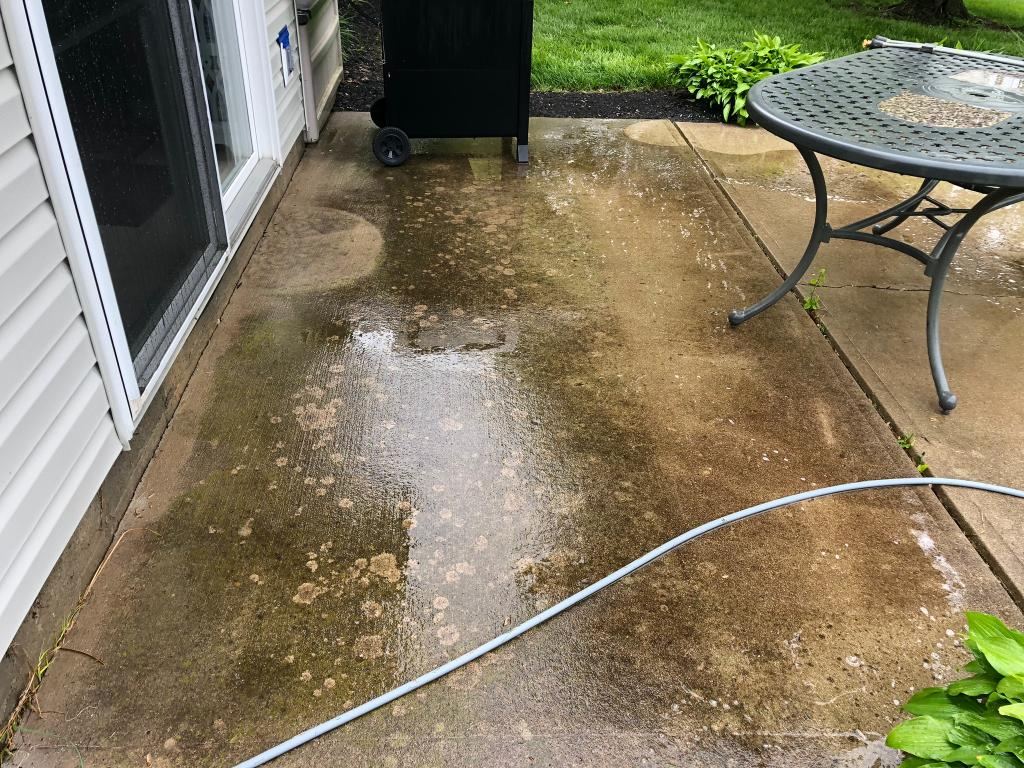
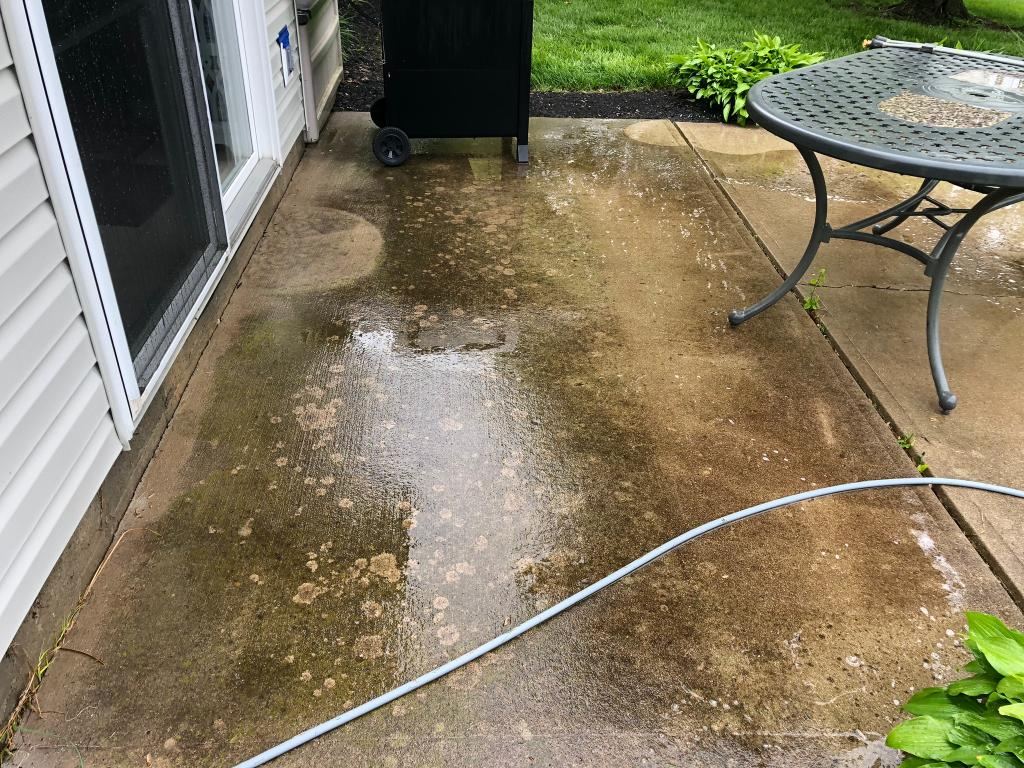
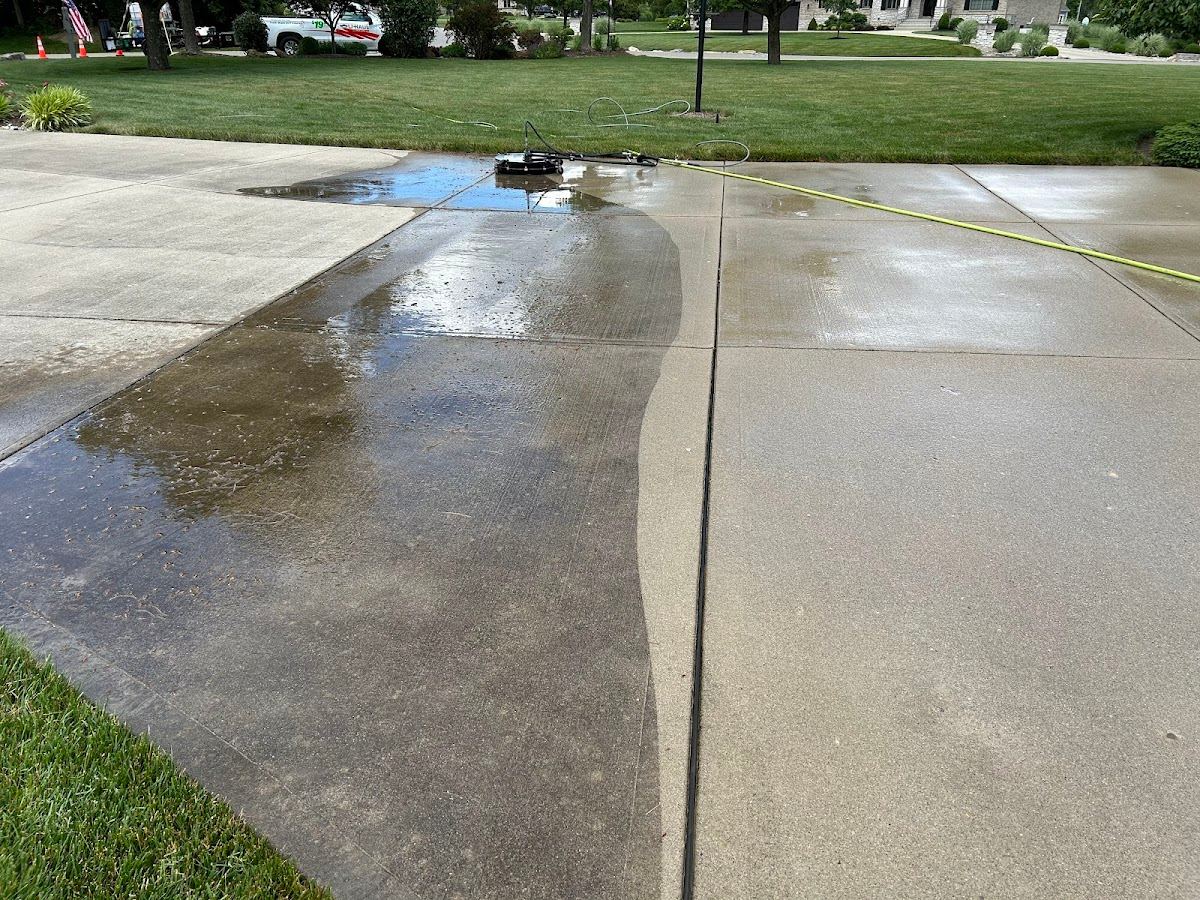
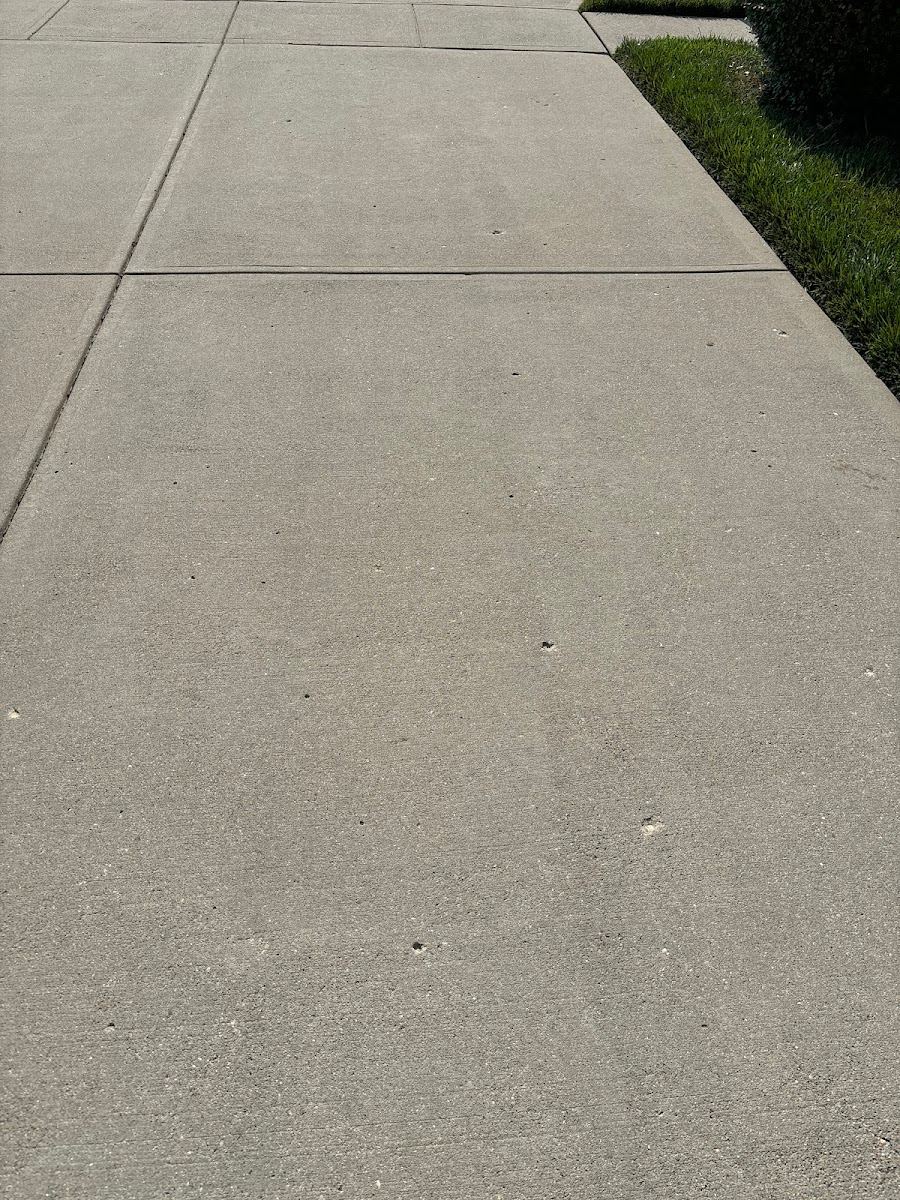
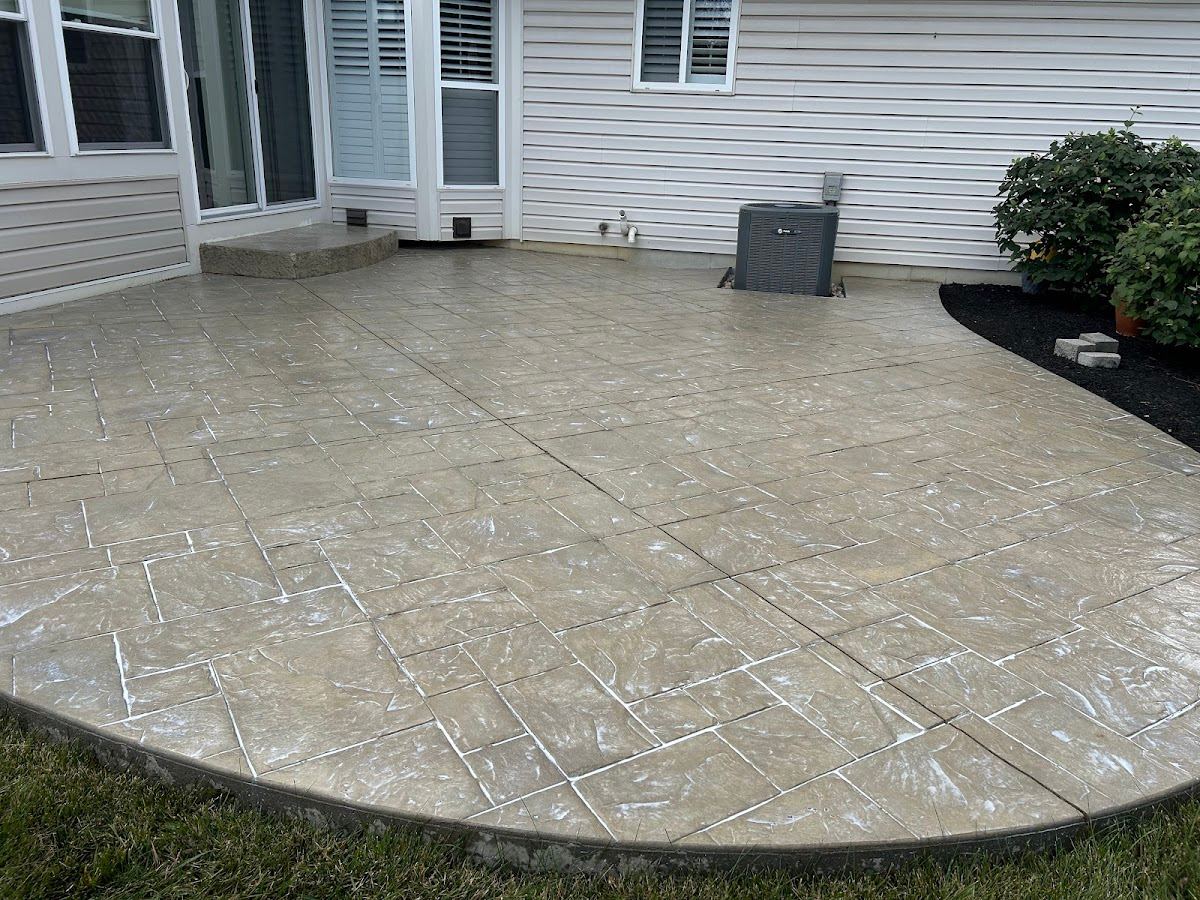
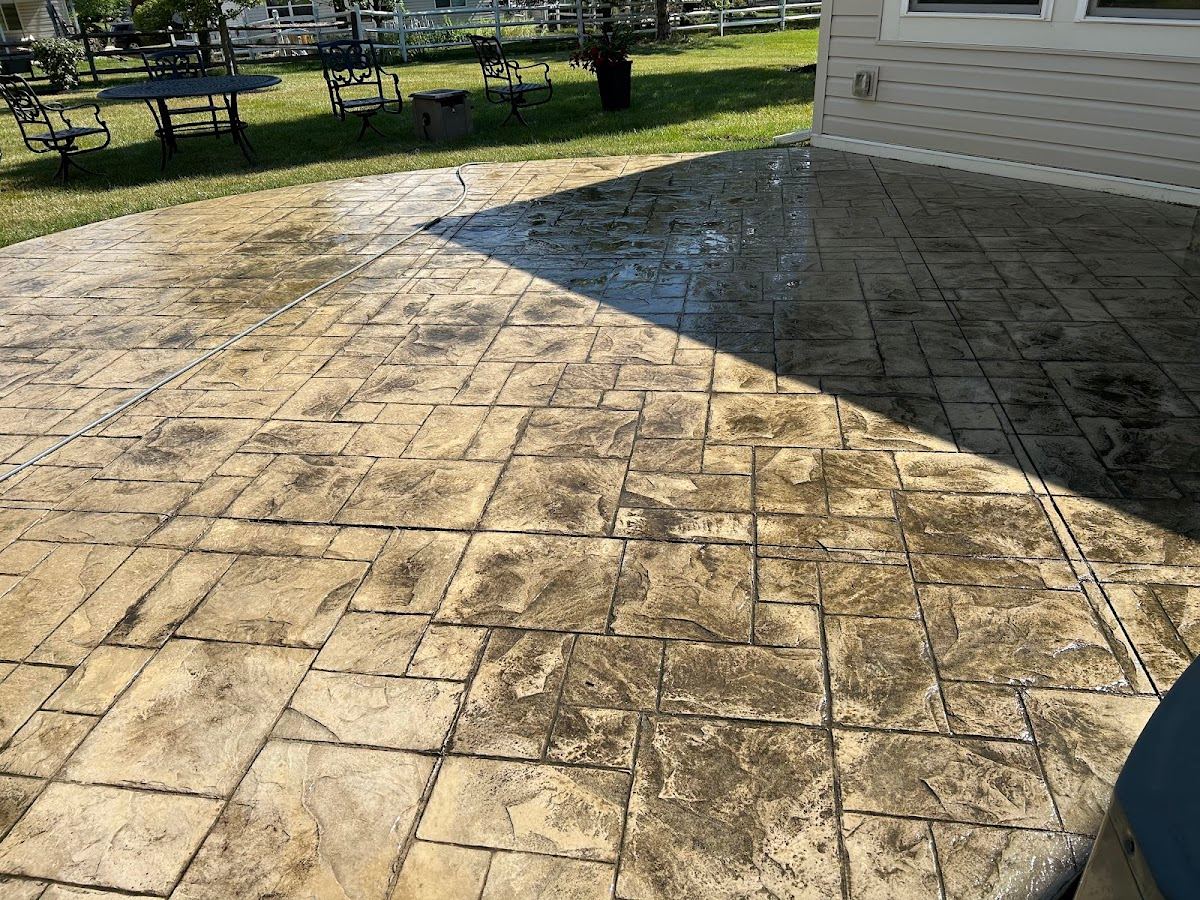
Concrete Cleaning — Recent Work
Real photos from Redhead Pressure Cleaning jobs across Ohio.
How It Works
Our Concrete Cleaning Process
- 1
Request a Free Estimate
Call or text us a quick description (a photo helps) and we send back a clear, no-obligation quote.
- 2
We Inspect the Surface
We look at the material, the buildup, and the surroundings to choose the safest, most effective method.
- 3
We Choose the Right Method
High pressure for hard surfaces, low-pressure soft washing for siding, roofs, and delicate materials.
- 4
We Wash Safely & Thoroughly
We protect landscaping, apply surface-safe cleaning solutions, and clean every section with care.
- 5
Final Walkthrough
We walk the finished work with you to make sure you're happy before we pack up.
Questions
Concrete Cleaning FAQs
Not when it is done correctly. Damage happens when too much pressure is held too close to the surface, which etches and pits the concrete. We use a surface cleaner with evenly distributed pressure plus a cleaning solution that does most of the work, so we get a deep clean without gouging, striping, or pitting the slab.
Pressure alone removes the surface layer of grime but leaves the algae's roots in the pores, so the green returns in weeks. Pre-treating with a surface-safe cleaning solution kills the algae, mold, and biofilm at the root before we rinse, which is why a properly treated slab stays clean far longer.
Yes. That film is algae and cyanobacteria that thrive in damp, shaded spots common in Ohio. We treat it with a cleaning solution that kills it at the root, then rinse it away, which removes both the slip hazard and the moisture-trapping layer that speeds up freeze-thaw wear.
Oil and grease usually respond to targeted pre-treatment during a standard concrete cleaning. Orange and brown rust stains from metal furniture, fertilizer, or irrigation need a dedicated approach, which we handle through our rust stain removal service rather than pressure alone.
Sealing is optional but worth considering. A sealed slab is less porous, so it resists water, oil, and algae regrowth and stays cleaner longer between visits. Clean concrete is also the only good time to seal, since sealing over grime or algae just locks the problem in.
Both work well. Fall cleaning removes pollen and organic film before winter so there is less moisture-trapping buildup during freeze-thaw season, which protects the slab. Spring cleaning clears winter salt residue and algae and resets curb appeal for the warm months. If you clean once a year, pick fall for protection and spring for appearance.
Most residential driveways, patios, and walkways are completed in a single visit, and timing depends on the square footage, how much buildup is present, and the surface type. We give you a clear scope in your free written estimate before we start so there are no surprises.
Yes. We are based in Springboro and the Township of Franklin and regularly work throughout the I-75 corridor between Dayton and Cincinnati, including Centerville and surrounding communities, with service available statewide across Ohio. Call or text (351) 242-0666 to confirm we cover your address.
Request a Free Estimate
Tell us about your concrete cleaning job — a photo helps us quote fast.
Ready for Professional Concrete Cleaning?
Get a free, no-obligation estimate for concrete cleaning anywhere in Springboro, the I-75 corridor, and across Ohio.