
Residential Service
House Washing Services in Ohio
Soft washing that makes siding look freshly painted — safely.
House Washing in Ohio
Your siding takes the full force of Ohio's weather, and humidity feeds the green algae and gray mildew that slowly take it over. A professional house wash removes all of it and leaves your home looking years younger — without the high-pressure blasting that can force water behind your siding.
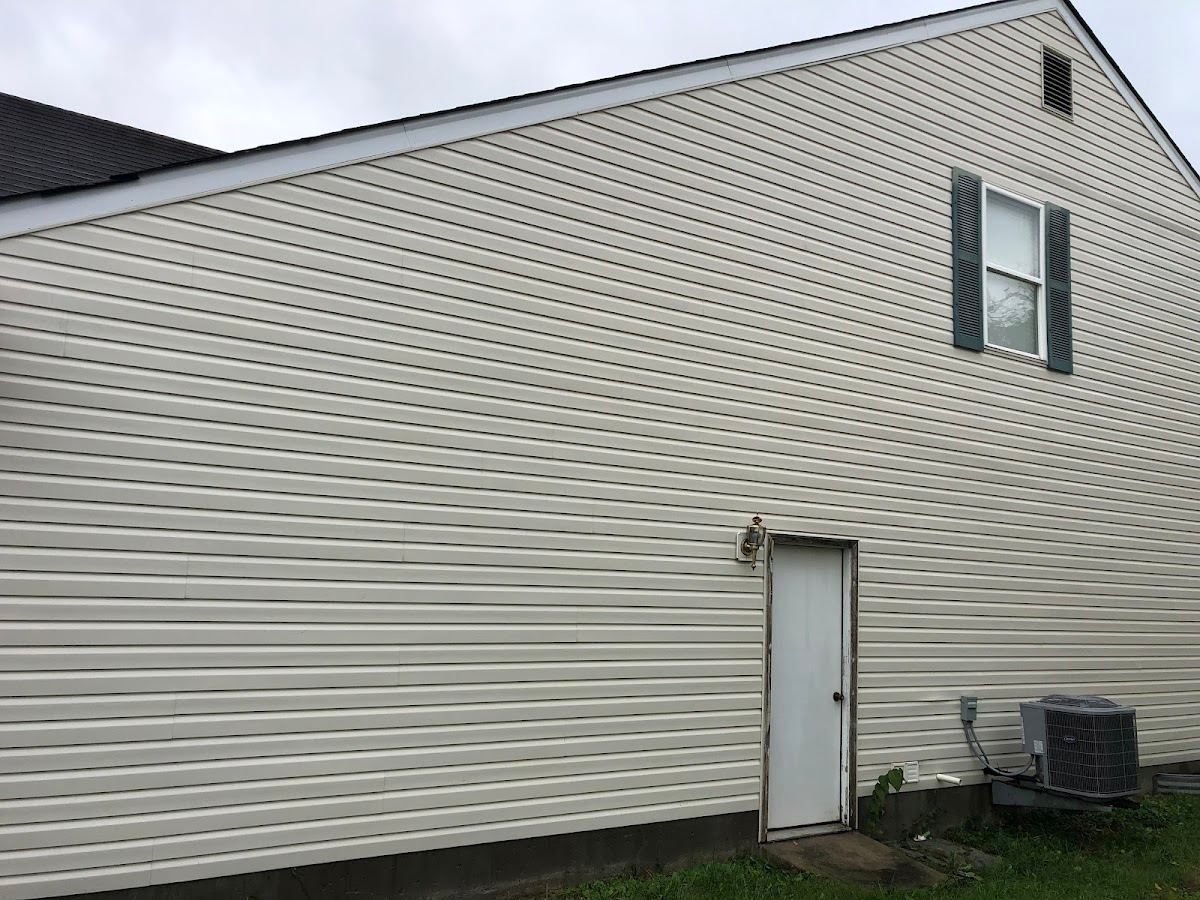 After
After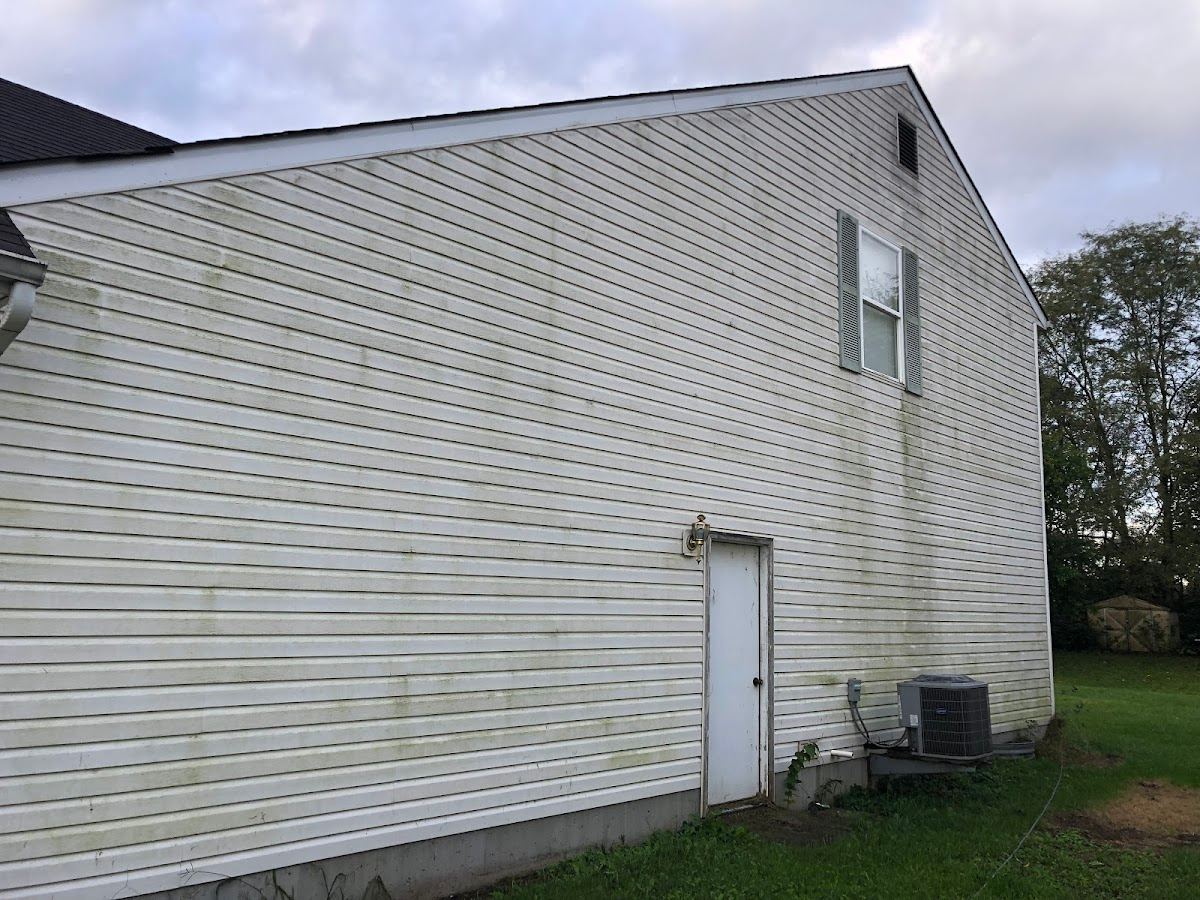 Before
House Washing — algae removed from vinyl siding
The Problem
Ohio humidity feeds algae, mold, and mildew that cling to vinyl, brick, and wood siding, causing discoloration and gradual material breakdown.
Our Surface-Safe Approach
We use a soft wash system — low pressure plus surface-safe cleaning solutions that kill organic growth at the root without risking siding damage or water intrusion.
The Result
Siding that looks freshly painted, with treatment that inhibits regrowth for months longer than pressure alone.
Why choose Redhead for house washing
- Soft-wash method is safe for every siding type
- Kills algae and mildew at the root, not just the surface
- Restores curb appeal and protects your paint and siding
- Results last longer than pressure-only cleaning
- We protect plants and landscaping during the wash
Schedule house washing in late spring (April–May) to clear winter salt and pollen before summer heat bakes them in.
House Washing in Ohio
Your complete guide to house washing in Ohio
Why Ohio Homes Grow Grime, Green Streaks, and Black Stains
The film creeping across your siding is not dirt in the usual sense. Most of it is alive. In the Dayton-to-Cincinnati corridor, the same warm, humid summers that make the grass grow also feed algae, mildew, and mold on the shaded, damp faces of your home. The green haze is typically algae. The gray-black speckling is usually mildew and mold. Those long dark streaks running down from the roofline are often Gloeocapsa magma, a hardy cyanobacteria that spreads by wind and rain, survives freeze-thaw winters and dry spells, and darkens a wall a little more each season.
Ohio hands these organisms everything they need. Deciduous tree cover holds moisture against the wall. North-facing and shaded elevations stay wet with morning dew long after the sun is up. Add summer humidity, spring and fall pollen, and the road film and salt that ride up onto homes along the I-75 corridor, and you get a surface that stays damp and fed for months. Once a colony takes hold, spores travel to the next clean patch, which is why one green corner quietly becomes a whole wall. Cleaning removes what is there. Killing the organism at the root is what keeps it from racing back.
Soft Washing: The Method That Actually Belongs on Your Siding
House washing done right is not high-pressure blasting. It is a soft-wash process. We apply a surface-safe cleaning solution that breaks down the algae, mildew, and mold biology, let it dwell so it works at the root, then rinse everything away with a low-pressure flow that will not force water behind your panels. The difference matters: high pressure knocks the green off the surface but leaves the living organism behind, so the stain returns within weeks. A proper soft wash treats the cause, so the surface stays clean far longer.
The cleaning solution does the work, not the pressure. That is the core principle of a good soft washing job and the reason it is safe on materials that pressure would damage. Around the house we also rinse and protect your landscaping. Plants get pre-wet before we start and rinsed after, so the beds you spent all spring on come through fine. On a walkthrough we point out what house washing covers and what belongs to a different service, so you know exactly what is included before we ever pull a hose off the truck.
Matching the Method to Your Siding: Vinyl, Hardie, Brick, Stucco, Wood
No two exteriors take a wash the same way, and a pro reads the material before choosing an approach. Vinyl siding is the most common in our area and cleans up beautifully with a soft wash, but the seams and lap joints are exactly where forced water sneaks behind the panel, so low pressure is non-negotiable. For a vinyl-specific walkthrough, see our vinyl siding cleaning page. Fiber cement such as Hardie board cleans well too, but aggressive pressure can chip the surface and disturb caulk lines and paint. Wood and painted wood are the most delicate of all; too much pressure furrows the grain and strips the finish, so a gentle solution and a light rinse are the only safe route.
Masonry looks tough but has its own rules. Brick holds organic growth deep in the mortar joints, and high pressure can blow out that mortar and erode the brick face over time, so a dwell-and-rinse approach is smarter and safer. Stucco and EIFS are porous and crack-prone, and a heavy stream can chew right through the finish coat. The takeaway is simple: the surface dictates the solution strength, the dwell time, and the rinse. Matching the method to the material is what separates a clean house from a damaged one, and it is the first thing we assess on a free estimate.
Signs It's Time to Wash Your House
You do not need to guess. Your home tells you. Watch for these:
- Green or gray film on siding, most visible on north-facing and tree-shaded walls that stay damp.
- Black streaks bleeding down from the roofline and gutters onto the siding below.
- Chalky, dull, or faded siding that used to look bright, often oxidation sitting under a layer of grime.
- Dark spotting around downspouts, hose bibs, and splash zones where water lingers longest.
- A slick or slippery feel on shaded surfaces, which means algae is established, not just surface dust.
- Cobwebs, wasp nests, and pollen buildup tucked into soffits, corners, and under the eaves.
- Musty odor near the walls after rain, a sign mildew has moved past the cosmetic stage.
Streaks that start at the roof are a clue worth acting on. Algae on the roof feeds the growth on the siding below through runoff, so if the streaks originate up top, ask about roof washing in the same visit. Overflowing or plant-filled gutters also dump dirty water down the wall; pairing a wash with gutter cleaning stops the stain at its source.
How Often to Wash, and the Best Time of Year in Ohio
For most homes in our region, an annual house wash keeps the exterior clean and the organic growth from ever getting a foothold. Some homes need it more often. If your house sits under heavy tree cover, faces north, backs up to woods or water, or sits close to a busy road along the I-75 corridor, a wash every six to eight months keeps the shaded elevations from going green between visits. Homes on higher, sunnier, open lots can often stretch closer to a full year.
Timing works in your favor here. Spring clears off winter's road film, salt residue, and the first flush of pollen, and resets the house for the growing season. Fall removes the summer's algae and mildew before it sits on the wall all winter and before freeze-thaw cycles drive moisture into any spot where growth has taken hold. Both shoulder seasons offer mild, dry-enough weather for the cleaning solution to dwell and rinse properly. We wash through most of the year and simply plan around hard freezes. If you are only going to do it once, a fall wash sends your siding into winter clean.
What Makes the Clean Last, and What Shortens It
Two identical houses can hold their clean for very different lengths of time, and the reasons are predictable. Sun exposure is the biggest one: a bright, open south or west wall dries fast and stays clean far longer than a shaded north face that never fully dries. Tree cover works against you by dropping debris, holding humidity, and blocking the sun. Drainage matters too. Downspouts that dump against the wall, clogged gutters, and low spots that stay wet all give growth a place to restart. And the method used is decisive: a wash that only rinsed the surface will regrow in weeks, while one that killed the organism at the root stays clean for a season or more.
You can stretch the result. Trim back branches that touch or shade the house. Keep gutters flowing so runoff does not streak the siding. Redirect downspouts away from the wall. Fix the sprinkler head that soaks one corner every morning. None of this is expensive, and all of it buys you months. When the whole exterior gets clean at once, the improvement holds together better than tackling one wall at a time.
DIY House Washing Mistakes That Cause Real Damage
A rented pressure washer feels like a shortcut, and it is the fastest way we see homeowners damage a house. The most common mistakes:
- Too much pressure on siding. High PSI cracks and chips vinyl, gouges wood, dents aluminum, and blows out brick mortar. The damage often does not show until the next rain gets behind it.
- Spraying up under the laps. Angling water upward drives it behind the panels and into the wall cavity, where it can rot sheathing and feed the very mold you were trying to remove.
- Hitting windows, seals, and light fixtures. Pressurized water breaks window seals, forces water into fixtures, and finds every gap around doors and vents.
- Using the wrong solution, or bleach straight from the jug. The wrong mix kills landscaping, streaks the siding, and does not kill growth at the root, so it comes right back.
- Working off a ladder with a wand. The recoil and awkward reach on a second story is where serious falls happen.
- Skipping plant protection. No pre-wet, no rinse, and the beds along the foundation pay the price.
The theme is the same throughout: pressure removes the stain but leaves the biology, so the green returns and the surface is now damaged too. A soft-wash approach reverses that, which is exactly why it is the professional standard.
Get a Free Estimate From a Licensed, Insured Local Crew
Hiring a pro is about more than a cleaner wall. A licensed and insured company carries the coverage that protects your property and the crew on it, so a slip or a splash is not your problem. It also means the right cleaning solution, the right pressure for your specific siding, ladder and roofline work handled safely, and your landscaping protected from start to finish. We are local and owner-operated, we treat your property as our own, and we clean homes across Springboro, the Dayton-to-Cincinnati I-75 corridor, and throughout Ohio.
Serving Springboro, Dayton, and the surrounding communities, we would be glad to look at your home and tell you exactly what it needs. Call or text (351) 242-0666 for a free written estimate, and we will get your exterior looking the way it should.
Real Jobs
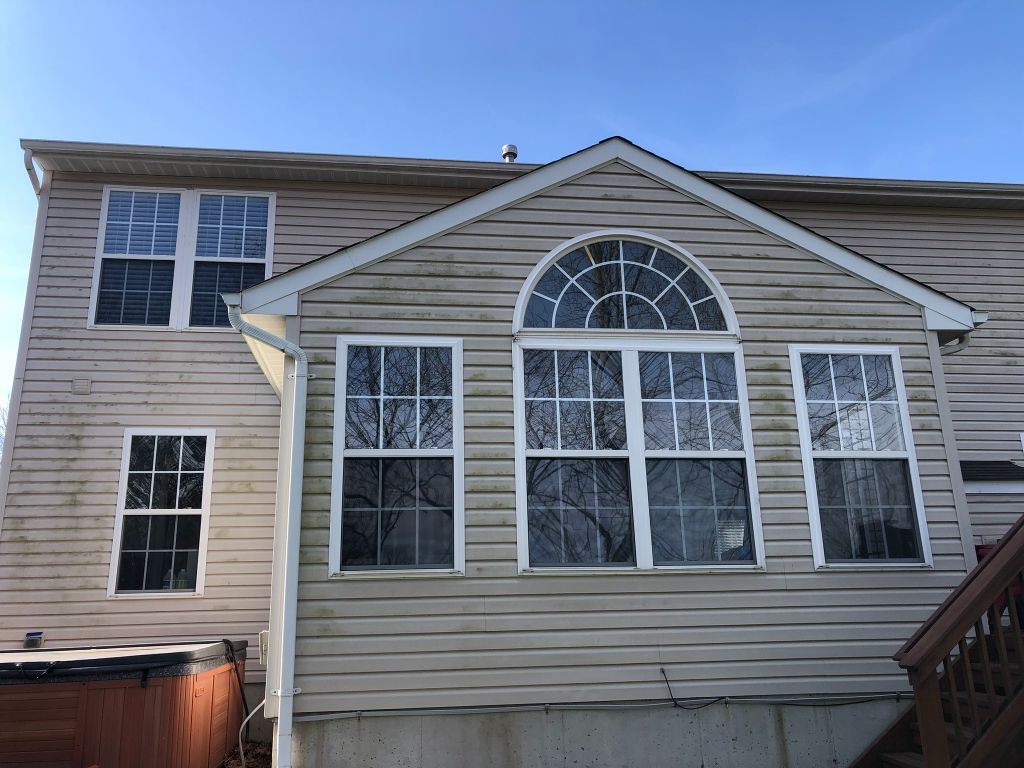
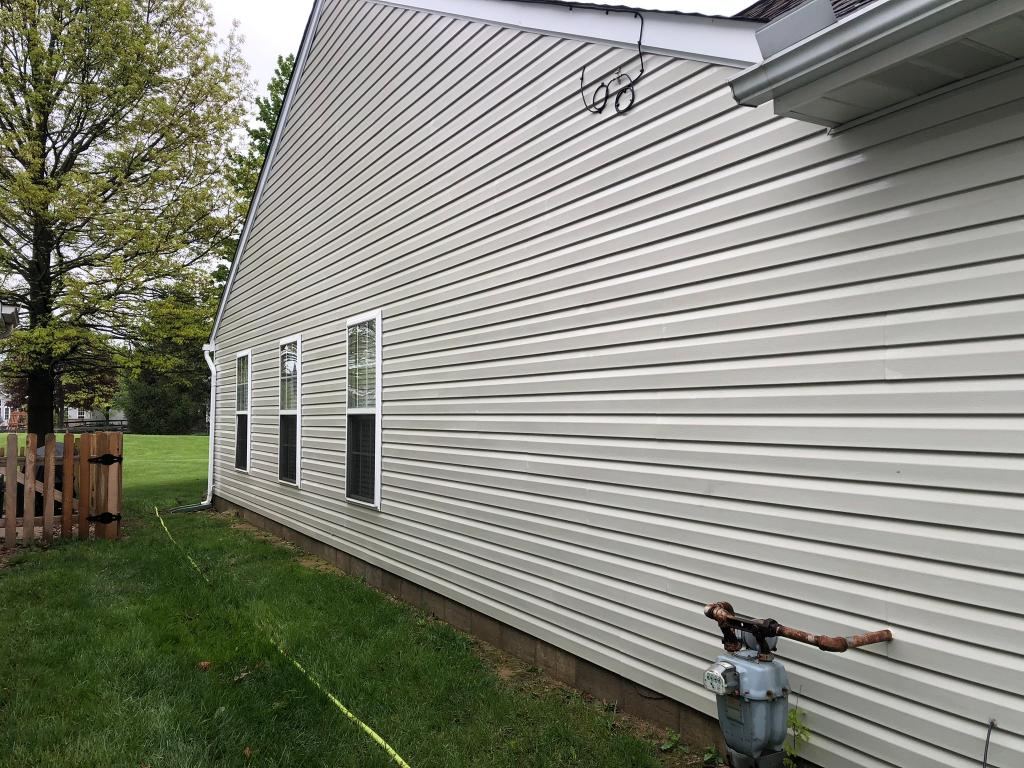
House Washing — Recent Work
Real photos from Redhead Pressure Cleaning jobs across Ohio.

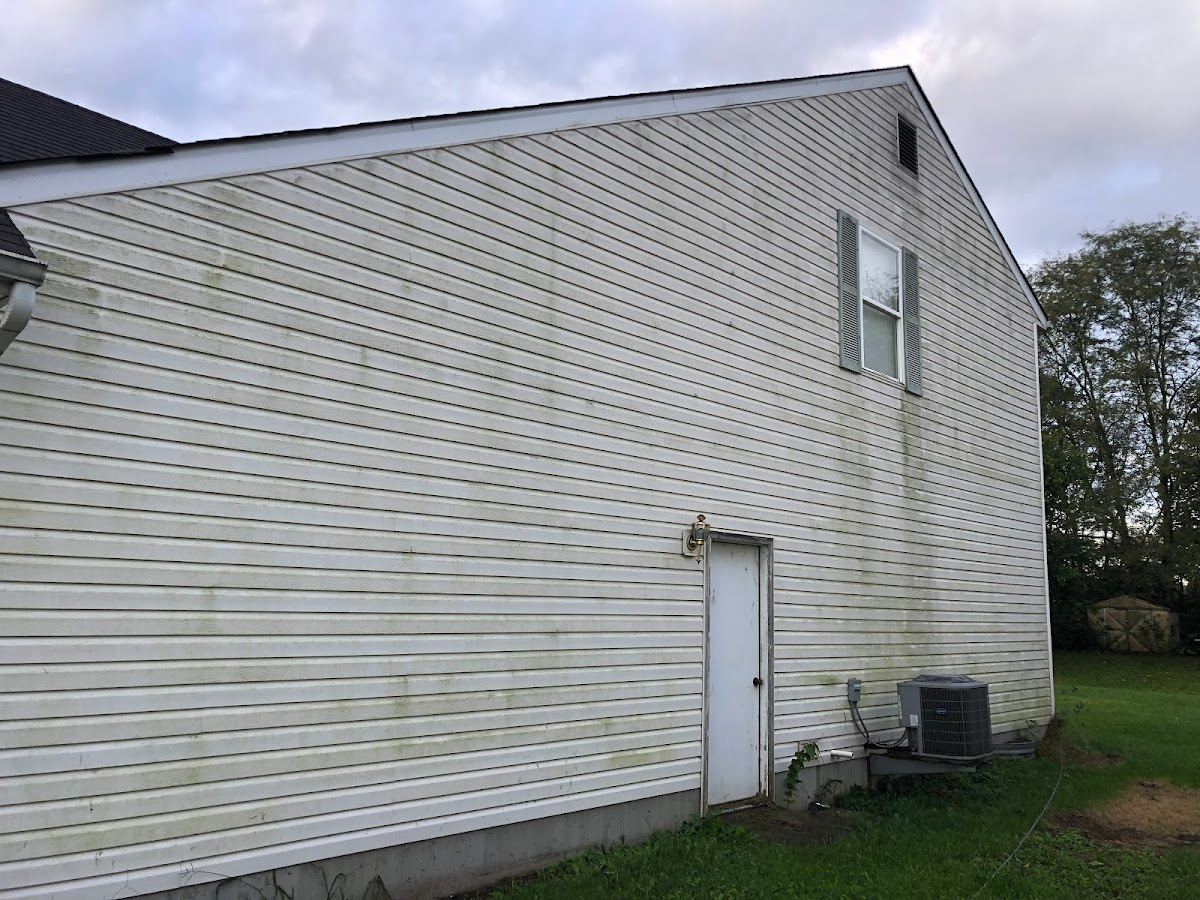
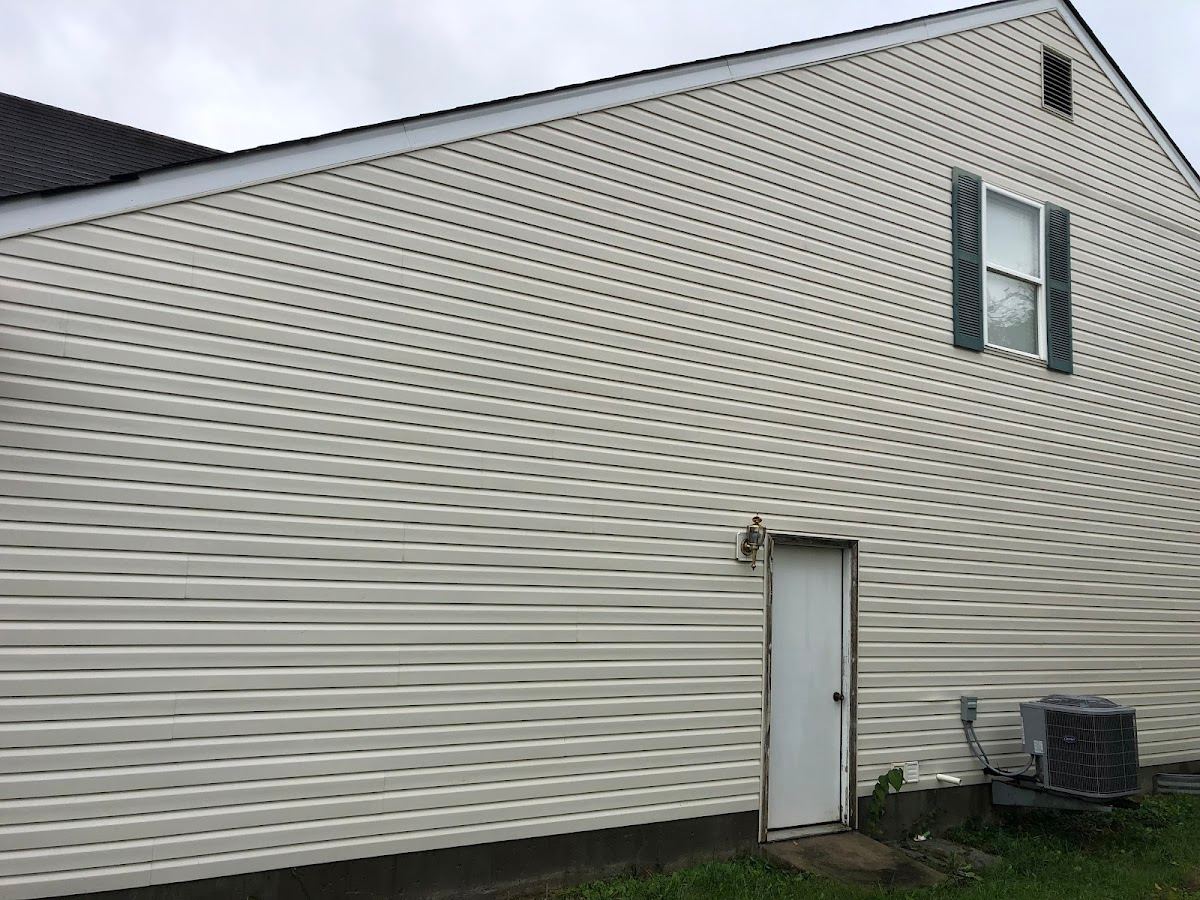
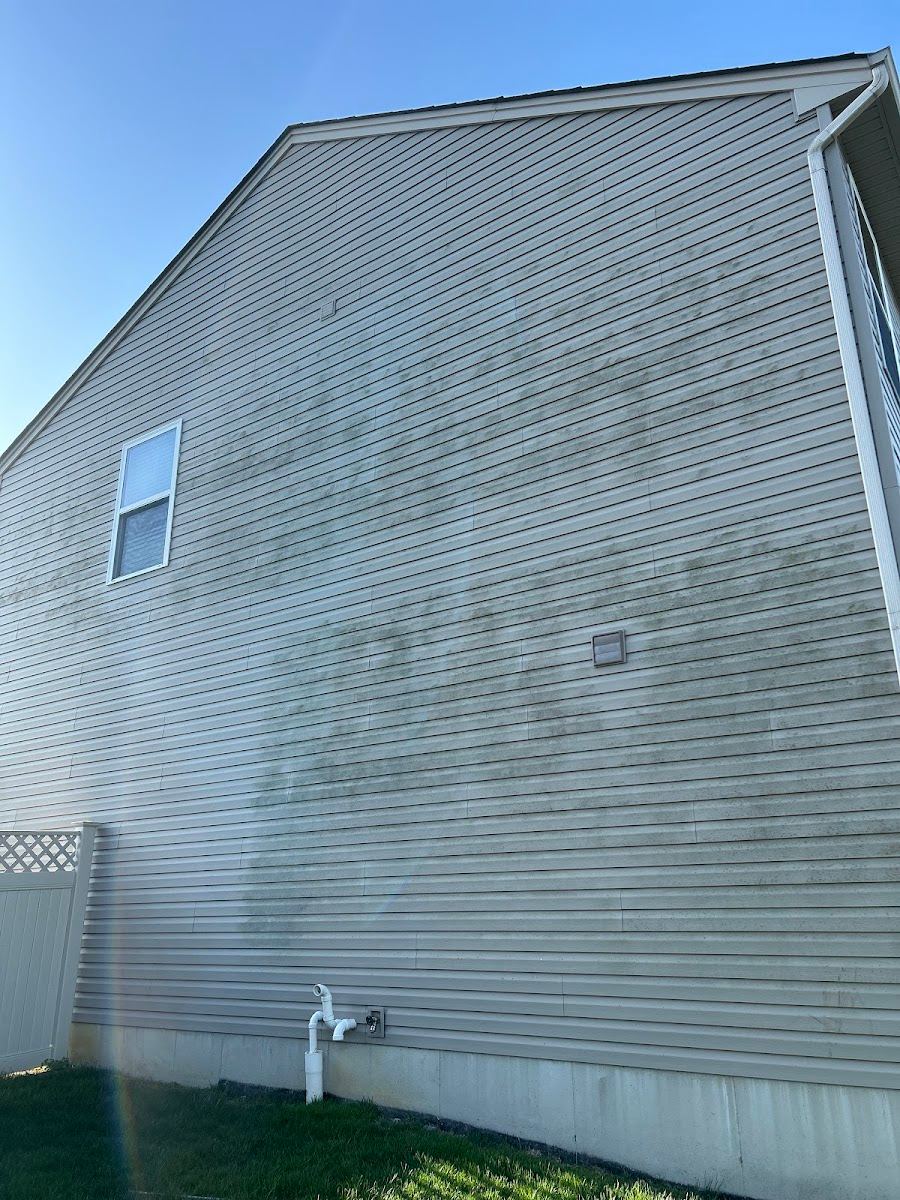
How It Works
Our House Washing Process
- 1
Request a Free Estimate
Call or text us a quick description (a photo helps) and we send back a clear, no-obligation quote.
- 2
We Inspect the Surface
We look at the material, the buildup, and the surroundings to choose the safest, most effective method.
- 3
We Choose the Right Method
High pressure for hard surfaces, low-pressure soft washing for siding, roofs, and delicate materials.
- 4
We Wash Safely & Thoroughly
We protect landscaping, apply surface-safe cleaning solutions, and clean every section with care.
- 5
Final Walkthrough
We walk the finished work with you to make sure you're happy before we pack up.
Questions
House Washing FAQs
Yes. Those streaks are usually algae, mildew, or Gloeocapsa magma carried down by roof runoff. A soft wash with a surface-safe cleaning solution breaks the growth down at the root and rinses it away rather than just blasting the surface. If the stains originate at the roofline, the streaks will keep coming back until the roof is treated too, so ask about roof washing in the same visit.
Not when it is done right. We pre-wet your landscaping before we start, keep it saturated while we work, and rinse everything thoroughly when we are finished. That dilutes and clears any cleaning solution before it can settle on foliage. Damaged beds almost always come from a DIY wash where plants were never protected.
It depends on sun, shade, tree cover, and drainage. A bright, open wall can stay clean for a year or more, while a shaded north face under trees may show growth sooner. Because a proper soft wash kills the organism at the root instead of just rinsing the surface, the clean lasts far longer than a pressure-only job that regrows within weeks.
Those elevations hold moisture. North-facing and tree-shaded walls stay damp with dew and rarely dry out fully, which is exactly the environment algae and mildew need. The sunny, open sides dry fast and stay cleaner. We still wash the whole house so the growth cannot simply spread back from the shaded side.
We clean all of them, and we adjust the method to the material. Brick and mortar joints and porous stucco can be damaged by high pressure, so they get a dwell-and-rinse soft-wash approach. Fiber cement and painted surfaces need low pressure to protect the finish and caulk lines. Reading the surface first is how we get it clean without harming it.
Both are ideal. A spring wash clears winter road film, salt residue, and early pollen. A fall wash removes the summer's algae and mildew before it sits through winter and before freeze-thaw cycles drive moisture into any growth. If you only wash once a year, fall sends your siding into winter clean.
Pressure washing relies on force and is meant for hard, durable surfaces like concrete. House washing uses a soft-wash method: a cleaning solution does the work while a low-pressure rinse carries it off, so delicate siding is never blasted. High pressure on siding can crack panels, blow out mortar, break window seals, and force water behind the walls.
Most homes in our area do well with an annual wash. If your house is heavily shaded, backs up to woods or water, or sits along a busy stretch of the I-75 corridor, every six to eight months keeps the shaded walls from going green. Sunny, open lots can often stretch closer to a full year.
Request a Free Estimate
Tell us about your house washing job — a photo helps us quote fast.
Ready for Professional House Washing?
Get a free, no-obligation estimate for house washing anywhere in Springboro, the I-75 corridor, and across Ohio.