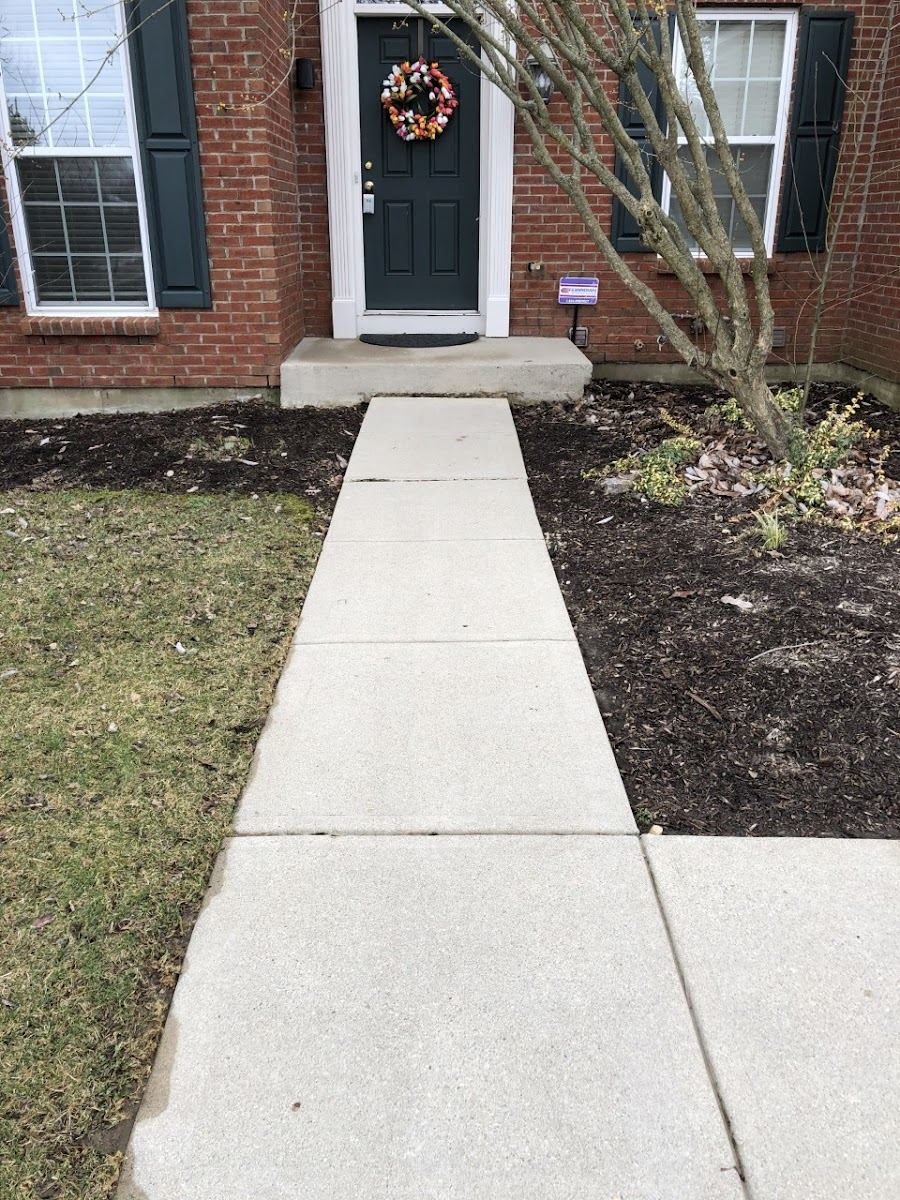
Residential Service
Sidewalk Cleaning Services in Ohio
Safer, brighter walkways free of slippery algae and grime.
Sidewalk Cleaning in Ohio
Sidewalks and walkways get slick and dark with algae and dirt, and a slippery walk is a real safety risk — especially for guests, kids, and older family members. We surface-clean concrete walks to an even, bright finish that is safer to walk on and lifts your whole entrance.
The Problem
Algae and grime build up on concrete walkways, making them dark, uneven-looking, and slippery.
Our Surface-Safe Approach
Surface-cleaner pressure washing for an even finish, plus spot treatment of stubborn organic stains.
The Result
Bright, even, slip-resistant walkways that make your entrance feel welcoming.
Why choose Redhead for sidewalk cleaning
- Removes slippery algae for a safer surface
- Even, streak-free surface-cleaner finish
- Brightens the approach to your home or business
- Reduces trip and slip hazards
- Fast turnaround for most walkways
Sidewalk Cleaning in Ohio
Your complete guide to sidewalk cleaning in Ohio
Why Ohio Sidewalks Get Dirty So Fast
Sidewalks take more abuse than almost any surface on your property. They sit at ground level, hold moisture, and stay shaded by the house, fences, and landscaping for much of the day. In our climate, that combination breeds problems fast.
The black and green staining most homeowners notice is not simply dirt. It is living growth. The green film is algae. The stubborn black streaking is Gloeocapsa magma, a hardy cyanobacteria that feeds on airborne dust and holds moisture against the concrete. Ohio's humid summers and shaded, north-facing walkways give it everything it needs to spread. Once it takes hold, a garden hose will not touch it.
Then there is the freeze-thaw cycle. Water soaks into the tiny pores of concrete, freezes overnight, expands, and thaws by afternoon. Repeat that a few dozen times each winter and the surface begins to flake, pit, and spall. Organic growth makes it worse by trapping moisture right where you least want it. Add road salt tracked up from the street, tree pollen every spring, and clay-heavy Ohio mud, and a sidewalk that looked fine in fall can look ten years older by March. Regular concrete cleaning clears that buildup before it does lasting harm.
How We Clean a Sidewalk (and What's Actually Included)
A sidewalk is not just blasted with a wand until it looks clean. That approach leaves wand marks, strips the surface, and misses the growth living inside the pores. Our process is built to lift the staining out and slow it from coming back.
First we walk the walkway with you, note the surface type and condition, and pre-treat expansion joints and edges near your beds. Then we apply a surface-safe cleaning solution that kills algae, moss, and the black cyanobacteria at the root rather than just rinsing the top layer. That dwell step is what separates a real clean from a cosmetic one.
From there we use a surface cleaner, a flat spinning tool that holds the water pressure even across the concrete and gives you clean, streak-free results with no zebra striping. Detail work on edges, control joints, and steps is done by hand. We finish with a low-pressure rinse and check the whole run in daylight so nothing is missed. Free written estimates come before any of it, so you know the scope up front. If your project includes the front path plus other flatwork, our walkway cleaning and driveway cleaning services are usually done in the same visit.
Matching the Method to Your Surface
"Sidewalk" covers several very different materials, and each one needs a different touch. Getting this wrong is how surfaces get damaged.
- Broom-finish concrete is the most common. It is durable but porous, so it holds growth deep in the texture. It handles a surface cleaner well when pressure is controlled correctly.
- Stamped or decorative concrete often has a sealer and color coat that high pressure will strip and dull. These call for a lower-pressure, soft-wash approach to protect the finish.
- Pavers and brick have sand-filled joints. Aggressive pressure blows the joint sand out, loosens the pavers, and invites weeds. We clean these gently and can advise on re-sanding.
- Exposed aggregate can lose its embedded stones under a heavy wand. It needs even, moderate pressure.
- Older, spalling concrete is already fragile. Here the cleaning solution does the heavy lifting so we can keep pressure low and avoid worsening the damage.
Because we match method to material, the goal is always the same: the growth comes off and the surface stays intact.
Signs Your Sidewalk Is Overdue for a Cleaning
Most people wait until a walkway is obviously filthy. The better move is to catch it earlier, before staining sets in and before it becomes a hazard. Watch for these:
- Green or black patches, especially in shaded stretches or along the edges where moisture lingers.
- A slick, slippery feel when the concrete is wet. Algae is the leading cause of slip-and-fall injuries on residential walkways, and it gets dangerous well before it looks bad.
- Dark tire-track or footpath lines where dirt has ground into the surface.
- White, chalky residue from road salt or efflorescence pushing up through the concrete.
- Moss in the joints or weeds taking hold in the cracks.
- A sidewalk noticeably darker than it was a year or two ago, even though it looks "normal" day to day. Gradual graying is buildup you have stopped noticing.
If a visitor could slip, or if the walk looks aged next to your siding and landscaping, it is time.
How Often to Clean, and the Best Time of Year
For most Springboro-area homes, a professional sidewalk cleaning once a year keeps concrete safe and looking right. Walkways in heavy shade, under trees, near irrigation, or on the damp north side of the house often benefit from twice a year, because those spots hold the moisture that algae and moss depend on.
Timing matters as much as frequency. Spring is the most popular window. It clears off winter's salt residue, pollen, and the growth that took hold over the cold months, and it resets your curb appeal for the season. Fall is the other strong option. Cleaning before winter removes the organic growth that would otherwise trap moisture in the concrete and feed the freeze-thaw damage all season long. That single step does a lot to protect the surface through the worst of the weather.
Heavy foot traffic, nearby construction, and dense tree cover all shorten the interval. We can look at your specific walkways and recommend a realistic schedule during a free estimate.
What Makes the Results Last
Two sidewalks cleaned the same day can look very different six months later. The difference comes down to a few things within your control and ours.
The biggest factor is whether the growth was actually killed or just rinsed off. A pressure-only clean removes the surface stain but leaves living spores in the pores, so it comes back fast. Treating with a proper cleaning solution kills it at the root and buys you far more time. Shade and drainage matter too. A walkway that stays wet under trees will regrow faster than one in open sun, no matter how well it was cleaned.
Sealing extends results further. A quality concrete sealer fills the pores so water, salt, and growth have less to grab onto, and it makes future cleanings easier. Sealer is typically reapplied every few years. Simple habits help as well: keep leaves and grass clippings swept off, trim back landscaping that shades the walk, and redirect sprinklers that soak the concrete daily. None of this is complicated, and it noticeably stretches the time between cleanings.
Why DIY Pressure Washing Damages More Than It Cleans
A rented pressure washer feels like an easy weekend fix. It is also the fastest way we see homeowners damage their own concrete. The problems are consistent.
Etching and wand marks. Too much pressure held too close carves visible lines and stripes into the surface. On broom-finish concrete this looks like a striped mess. On stamped or sealed concrete it strips the finish entirely, and that cannot be rinsed back on.
Blasting joint sand out of pavers. A narrow tip destabilizes paver walkways in seconds and opens the door to weeds and shifting.
Skipping the cleaning solution. Pressure alone does not kill algae or black cyanobacteria, so the growth is back within weeks and the homeowner assumes the surface is just "stained."
Bleach in the beds. Straight household bleach runs off into landscaping and lawns and kills plants. It also does not treat the growth as thoroughly as the right solution applied correctly.
Real injury risk. These machines are powerful enough to cut skin and throw debris. Ladder work near steps and railings makes it worse.
Cleaning is only part of the job. Knowing how much pressure a given surface can take, which solution to use, and where the runoff goes is the part that protects your property.
Get a Free Sidewalk Cleaning Estimate
Redhead Pressure Cleaning is a local, owner-operated, licensed and insured company based in Springboro and serving the I-75 corridor from Dayton down to Cincinnati, plus Springboro and communities throughout the area. We treat your property as our own, match the method to your surface, and stand behind clean, streak-free results with no damage.
If your sidewalks have turned green, gray, or slick, or you just want them safe and sharp before the season, we would be glad to take a look. Call or text (351) 242-0666 for a free written estimate. No pressure, no gimmicks, just an honest assessment and a fair scope of work.
Real Jobs
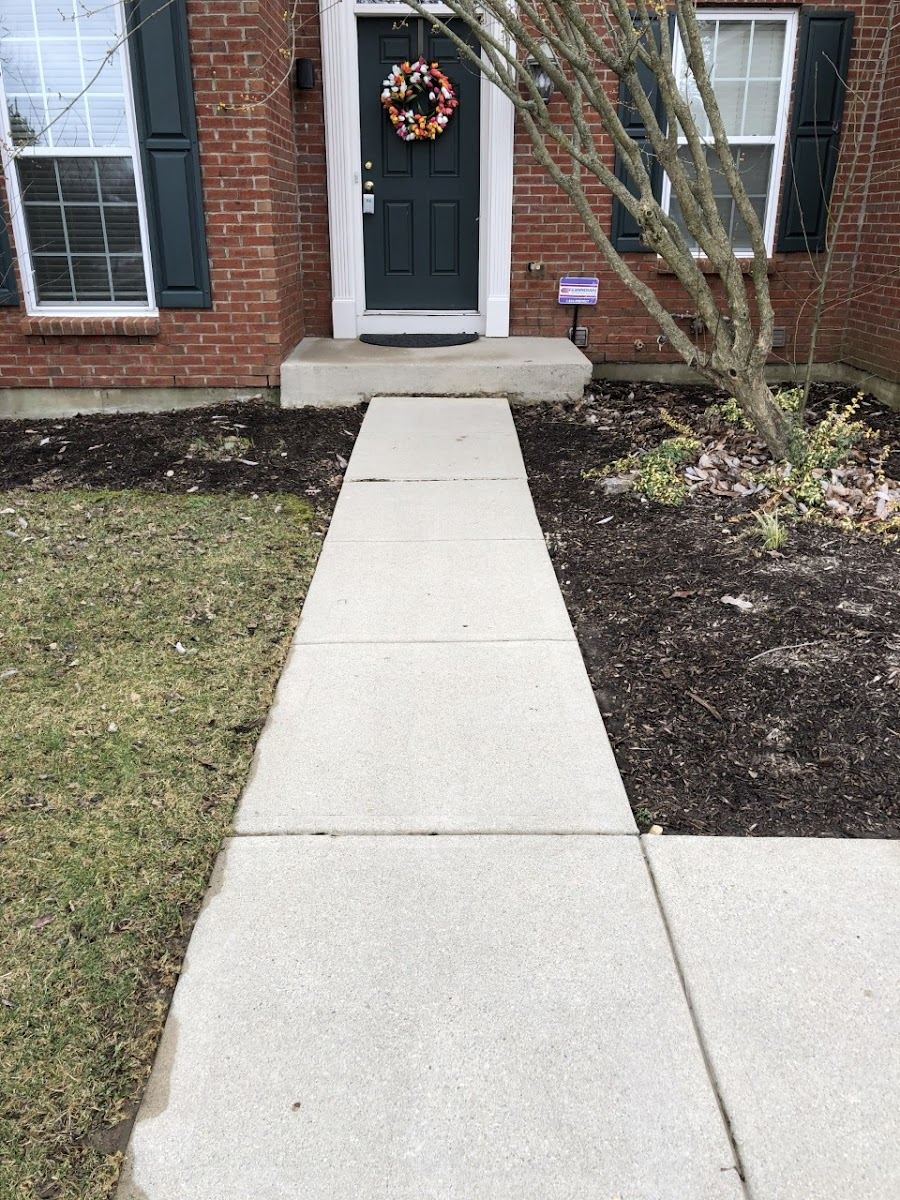
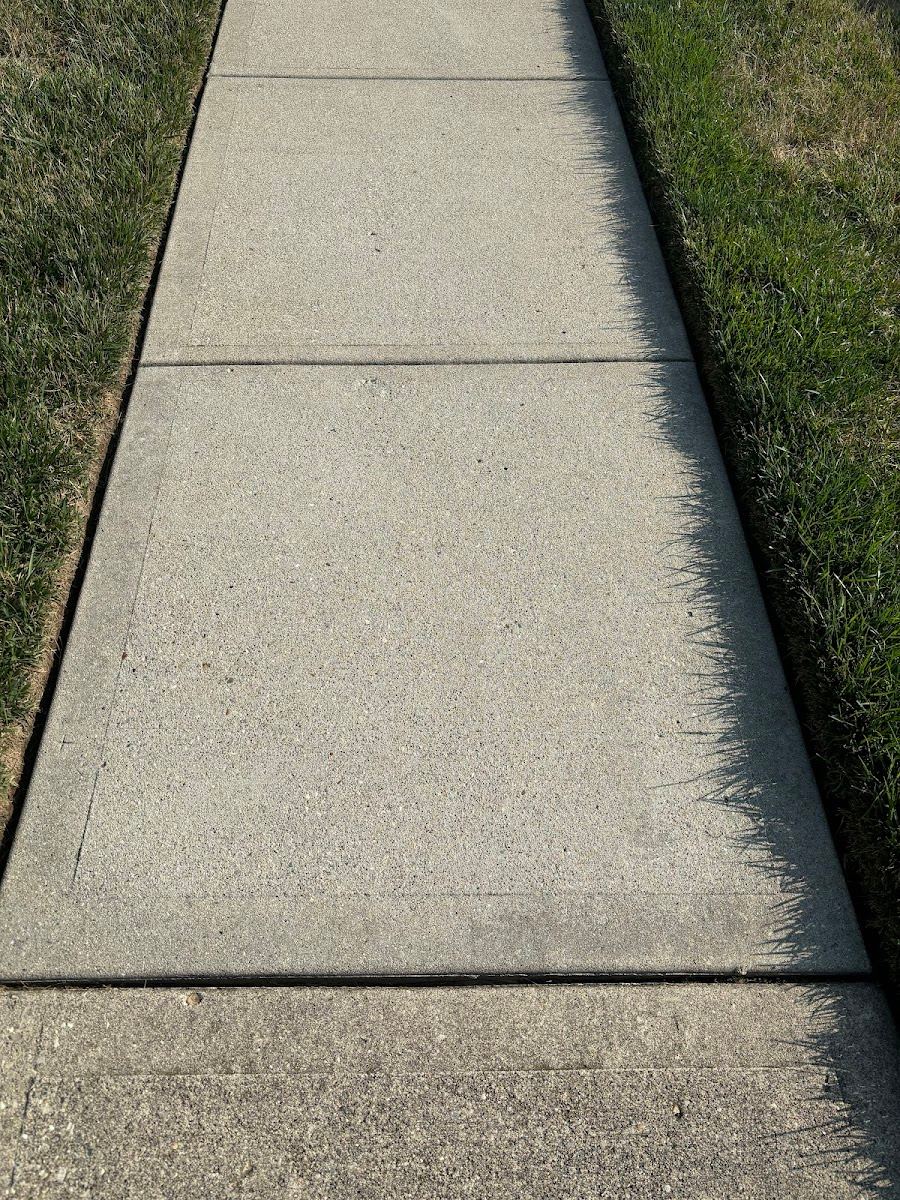
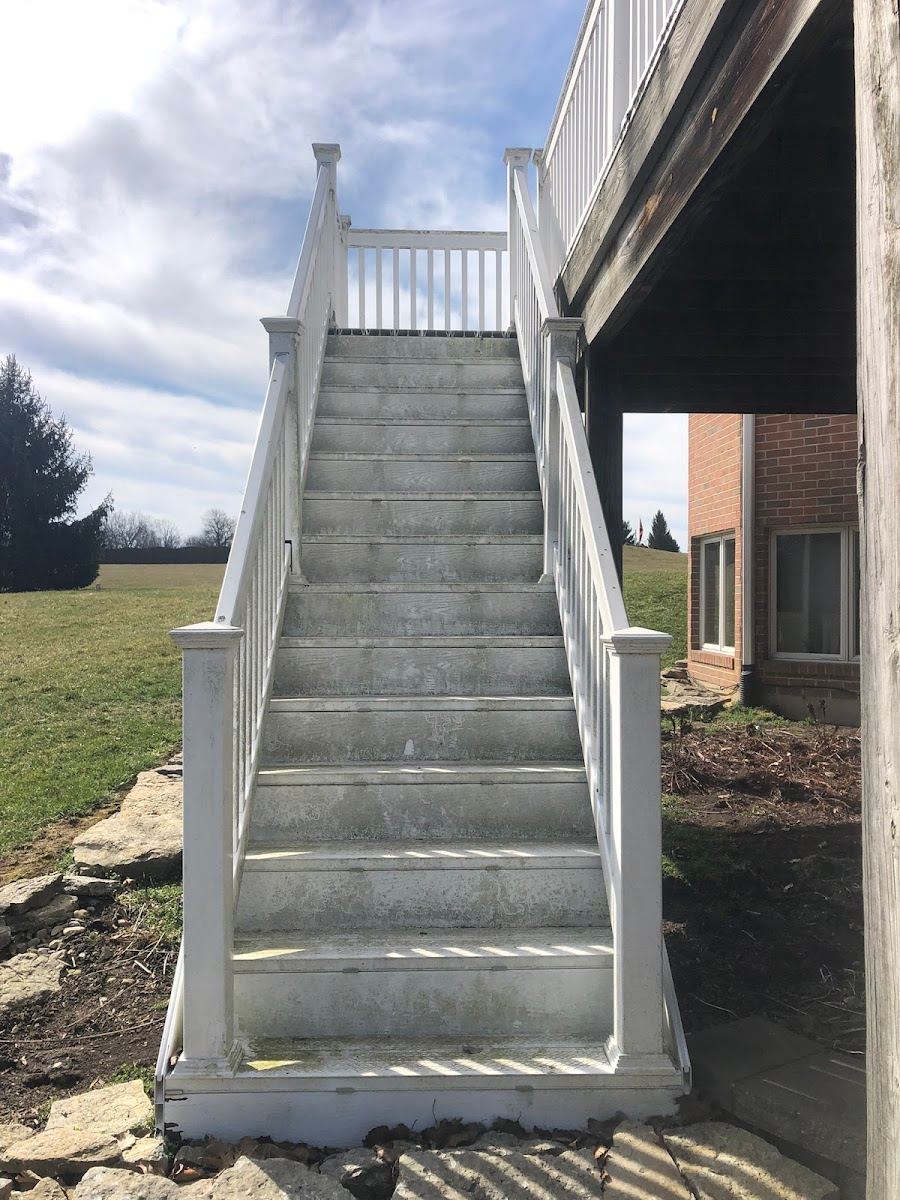
Sidewalk Cleaning — Recent Work
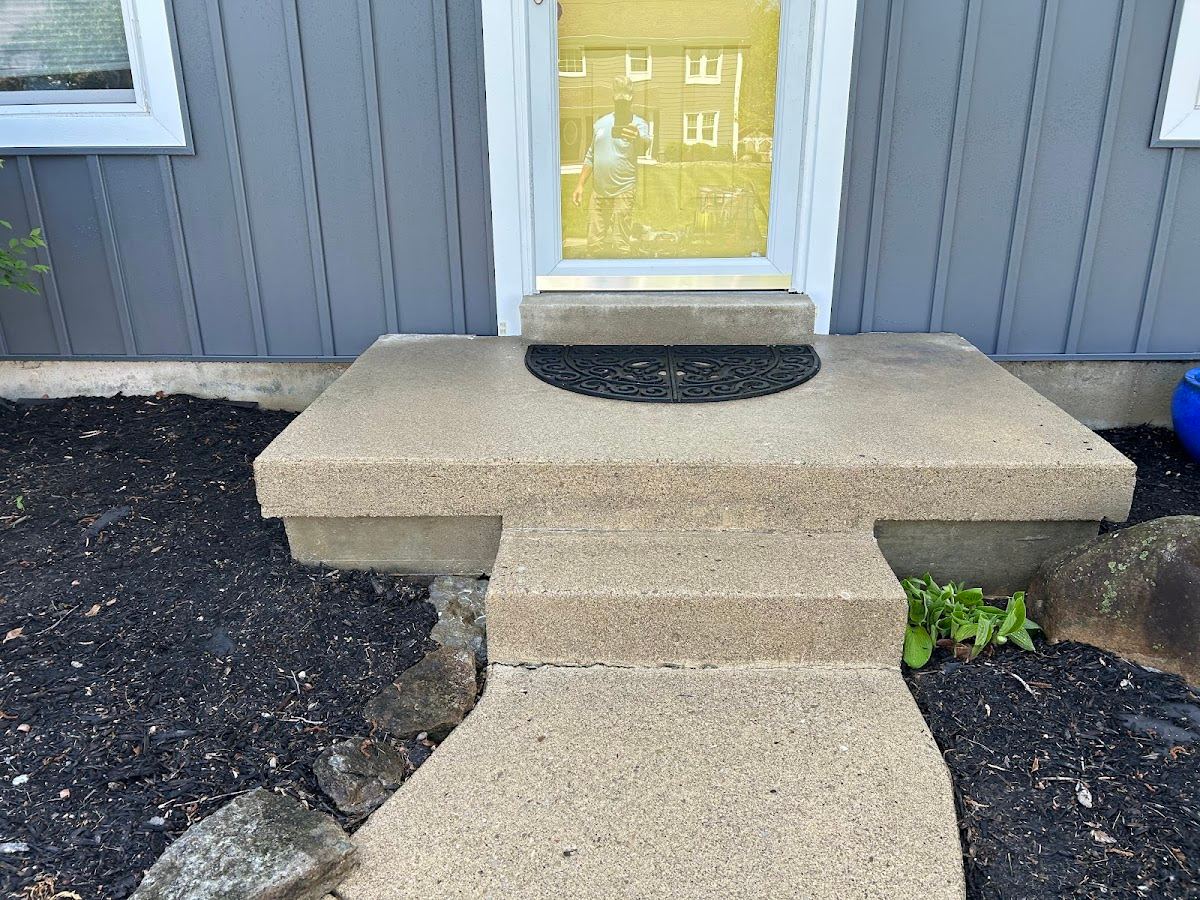
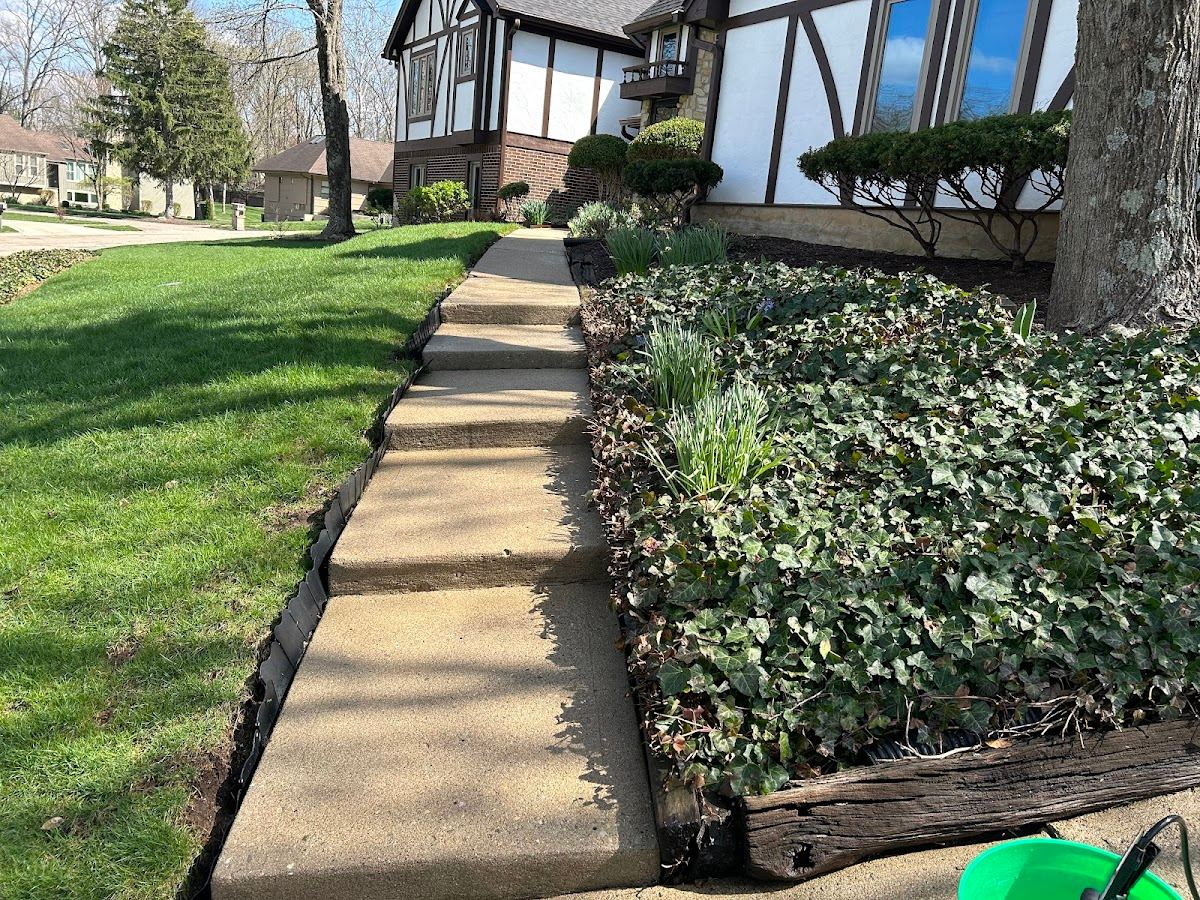
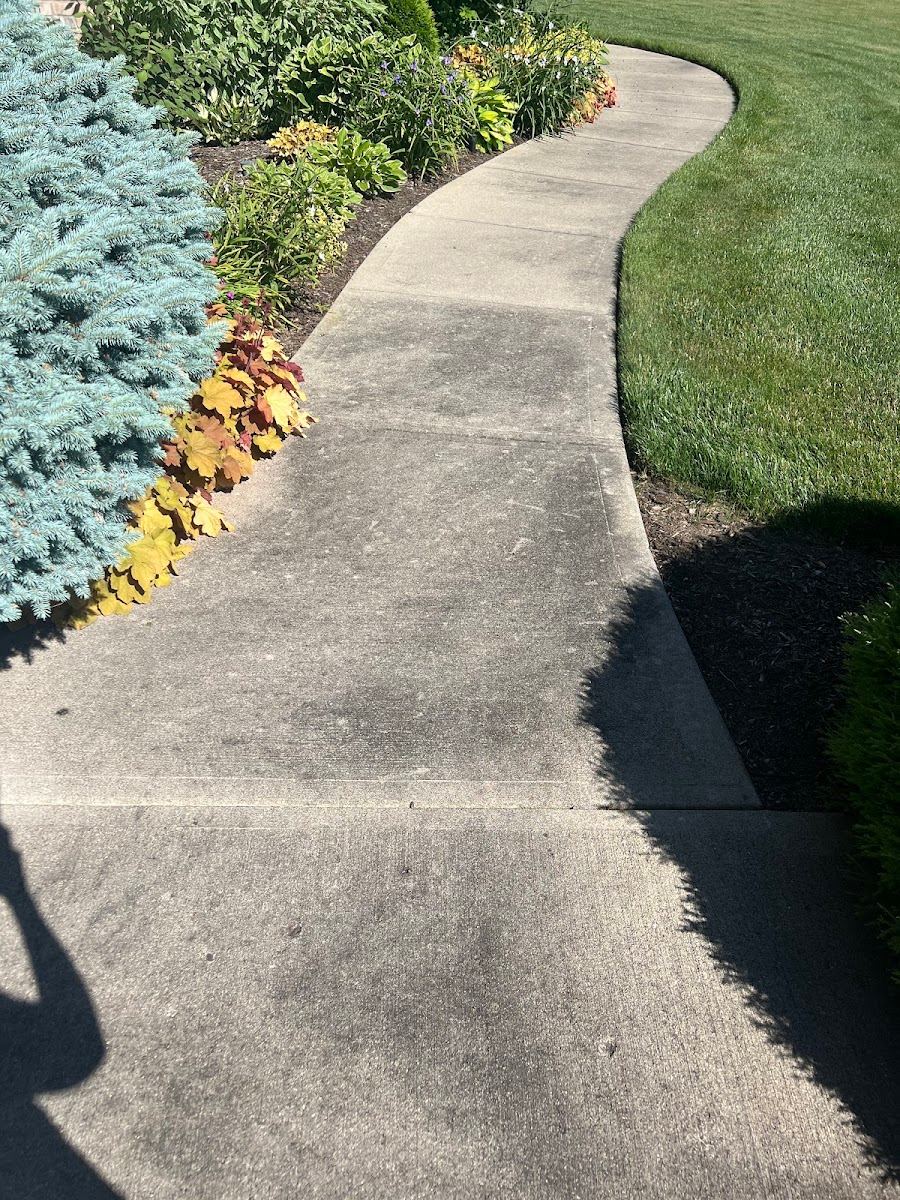
Real photos from Redhead Pressure Cleaning jobs across Ohio.
How It Works
Our Sidewalk Cleaning Process
- 1
Request a Free Estimate
Call or text us a quick description (a photo helps) and we send back a clear, no-obligation quote.
- 2
We Inspect the Surface
We look at the material, the buildup, and the surroundings to choose the safest, most effective method.
- 3
We Choose the Right Method
High pressure for hard surfaces, low-pressure soft washing for siding, roofs, and delicate materials.
- 4
We Wash Safely & Thoroughly
We protect landscaping, apply surface-safe cleaning solutions, and clean every section with care.
- 5
Final Walkthrough
We walk the finished work with you to make sure you're happy before we pack up.
Related Services
Questions
Sidewalk Cleaning FAQs
Not when it is done correctly. Damage usually comes from too much pressure held too close, which etches the surface, or from using a narrow wand on pavers and stamped concrete. We match pressure and technique to your specific surface and let a surface-safe cleaning solution do the heavy lifting, so the growth comes off and the concrete stays intact.
Because it is living growth, not dirt. The black streaking is a cyanobacteria called Gloeocapsa magma, and rinsing only removes the top layer while the spores survive in the pores of the concrete. Unless the surface is treated with a cleaning solution that kills it at the root, it regrows within weeks. That treatment step is the difference between a clean that lasts and one that does not.
Yes. Winter road salt leaves a chalky white residue, and efflorescence is mineral salt pushing up through the concrete itself. Both respond to the right cleaning solution and a controlled rinse. Spring is the ideal time to remove salt buildup before it contributes to surface pitting and spalling.
Concrete is usually safe to walk on within an hour or two, depending on sun, shade, and humidity. It may look damp longer than that as moisture leaves the pores, which is normal. If we apply a sealer as a separate service, we will give you specific dry and cure times before you use the walkway.
Sealing is optional but worthwhile on many walkways. A quality sealer fills the pores so water, salt, and growth have less to grab onto, which slows staining and makes future cleanings easier. It is typically reapplied every few years. We can advise whether your surface is a good candidate during the estimate.
We clean all of them, using a different approach for each. Pavers and brick get a gentler method to protect the joint sand, and stamped or sealed concrete is soft-washed at low pressure to preserve the finish and color. Matching the method to the material is exactly why professional cleaning avoids the damage a rented machine causes.
Once a year works for most homes. Walkways in heavy shade, under trees, near irrigation, or on the damp side of the house often do better with two cleanings a year, since those spots stay wet enough to feed algae and moss. We can recommend a realistic schedule for your property during a free estimate.
Request a Free Estimate
Tell us about your sidewalk cleaning job — a photo helps us quote fast.
Ready for Professional Sidewalk Cleaning?
Get a free, no-obligation estimate for sidewalk cleaning anywhere in Springboro, the I-75 corridor, and across Ohio.