Residential Service
Paver Cleaning Services in Ohio
Restore the color of paver patios, walks, and driveways.
Paver Cleaning in Ohio
Pavers are beautiful when they are clean — and dull, weedy, and faded when they are not. We deep-clean paver patios, walkways, and driveways, clear the weeds and efflorescence, and can re-sand and seal the joints so the color pops and stays put.
The Problem
Pavers fade and collect algae, while weeds and efflorescence push up through the joints.
Our Surface-Safe Approach
Controlled pressure cleaning sized to pavers, weed and efflorescence removal, and optional joint re-sanding and sealing.
The Result
Restored paver color, clean joints, and a finished, locked-in surface.
Why choose Redhead for paver cleaning
- Restores faded paver color
- Removes weeds, moss, and efflorescence
- Optional joint re-sanding for stability
- Pairs with sealing for lasting protection
- Safe pressure that protects the pavers
Paver Cleaning in Ohio
Your complete guide to paver cleaning in Ohio
Why Ohio Pavers Get Dirty So Fast
A paver patio or driveway is dozens of individual units with a sand joint between every one of them. That design is what makes pavers flexible and repairable, but it also gives dirt, moisture, and living organisms a place to take hold. In our climate, that adds up quickly.
The biggest culprit is biological growth. Ohio summers are humid, and shaded pavers near trees, fences, or the north side of a house stay damp for hours after the sun is up. That standing moisture feeds green algae, black mold, and moss in the joints. On roofs the same organism shows up as black streaks called Gloeocapsa magma; on pavers it reads as slick green film and dark blotches. Left alone, it becomes a genuine slip hazard, especially on a pool deck or a walkway to the front door.
Then there's the freeze-thaw cycle. Water works into the joints and the pores of the paver, freezes overnight, expands, and thaws by afternoon. Every cycle loosens joint sand, lifts fine grit, and pulls embedded grime deeper into the surface. Add spring tree pollen, summer dust, fall leaf tannins that stain like tea, and the road salt and de-icer that get tracked onto driveway pavers all winter, and the surface picks up a dull gray-green haze that a garden hose will never touch. A surface-safe cleaning removes all of it at once and resets the joints so the patio drains and grips the way it was built to.
Efflorescence, Rust, and the Stains a Hose Won't Touch
Not every mark on a paver is dirt, and knowing the difference matters because each one needs a different fix. Treating them all the same is how DIY jobs go wrong.
Efflorescence is the chalky white haze that shows up on concrete pavers, usually within the first year or two. It's natural salts inside the paver being carried to the surface as moisture evaporates. It's not mold and it won't scrub off with soap; it needs the correct cleaning solution to dissolve and lift the salts, and the surface has to be fully dry and cured before anything is sealed over it. Seal over active efflorescence and you trap the haze under a permanent milky film.
Rust comes from metal furniture feet, fertilizer with iron in it, or a nearby well sprinkler. It stains orange-brown and soaks in. Organic staining from leaves, mulch, berries, and acorns leaves dark tannin marks. Oil and grease on driveway and garage-apron pavers need a degreasing pre-treatment before the wash, or the pressure just spreads them. We identify what's actually on the surface first, then match the cleaning solution to it. That's also the honest part of an estimate: some deep rust and old oil can be dramatically reduced but not always erased 100 percent, and we'll tell you that up front rather than promise a miracle.
How We Actually Clean Pavers (and Why We Don't Just Blast Them)
The single most common mistake we're called in to fix is a homeowner who ran a pressure washer tip straight across their pavers on full power. It looks like it's working. What it's really doing is eroding the joint sand, etching the top skin off concrete pavers, and cutting furrows into softer clay or natural stone. Once that surface layer is gone, the pavers absorb dirt faster and never look clean again.
Our approach is a controlled, surface-safe process built around the growth, not brute force. We start by applying a cleaning solution that kills algae, mold, and moss at the root rather than just knocking the green off the top. That dwell step is what makes the result last, because untreated spores regrow in weeks. Then we rinse with pressure and technique matched to the specific paver, using surface-cleaner attachments that spread the force evenly instead of a single narrow jet that gouges. This is the same soft-wash and controlled-rinse thinking we bring to patio cleaning and walkway cleaning, adapted to the joints and edges that make paver work different.
The joints matter as much as the faces. A proper cleaning flushes out failed sand, weeds, and debris so the surface can be re-sanded. Fresh joint sand locks the pavers together, blocks the gaps where weeds germinate, and helps water shed instead of pooling. Clean, sand, and you have a patio that's ready to enjoy — or ready to protect with a sealer.
Cleaning vs. Sealing: What Each One Does
People often use these words interchangeably, but they're two different jobs, and cleaning always comes first. You cannot seal a dirty paver — you'd be locking algae, efflorescence, and grime under a coating for years.
Cleaning removes the growth and staining and resets the joint sand. That's the maintenance step that keeps a paver surface safe and good-looking on an ongoing basis. Paver sealing is the optional next step: after the surface is clean, dry, and re-sanded, a sealer is applied to lock in the joint sand, deepen the color, add stain and UV resistance, and make the next few cleanings far easier. A sealed paver sheds oil, resists efflorescence, and holds its color against Ohio sun and salt.
Not every patio needs to be sealed, and a good pro won't push it if it doesn't. But if you're investing in a full cleaning, that clean surface is the ideal moment to seal, because you're not paying to prep the pavers twice. We'll walk your surface and give you a straight recommendation either way as part of your free written estimate.
Different Pavers, Different Methods
"Paver" covers several very different materials, and each one reacts differently to cleaning. Matching the method to the material is the whole game.
Concrete pavers are the most common around Dayton and the I-75 corridor. They're durable but the color is a thin surface layer, so aggressive pressure strips the pigment and exposes gray aggregate. They also produce most of the efflorescence we treat. Clay brick pavers are harder and hold color well, but the joints are tight and mortar lines can be fragile, so technique around the edges matters. Natural stone — flagstone, bluestone, travertine — is beautiful and often the most sensitive; travertine in particular is porous and reacts badly to acidic or harsh solutions and to high pressure, so it needs a genuinely gentle, surface-safe approach.
Permeable pavers, which are designed to let water drain straight through the joints, need their joints cleared without blasting out the special aggregate that makes them work. And the setting matters too: a shaded pool deck, a sunny driveway apron, and a screened-porch walkway each collect different soiling and need a different plan. When we quote your job, we identify what you actually have and clean it accordingly — no one-size-fits-all pressure setting.
How Often to Clean, and When to Do It
For most Ohio homes, a professional paver cleaning every one to two years keeps growth, staining, and joint problems from ever getting a foothold. Some properties need it more often. If your pavers are heavily shaded, sit under trees, border a pool or a downspout, or you're already seeing green film return each summer, plan on an annual cleaning. A sunny, open patio in a dry spot can often stretch closer to every two years.
Timing within the year matters more than people expect. Spring is the most popular window — it clears off the winter's algae, road salt, and pollen and gets the patio ready for the season. It's also the best time to re-sand and, if you're sealing, to seal, because you want warm, dry, settled weather with no overnight freeze for the sealer to cure. Fall is the other strong window: cleaning after leaf drop removes tannin-staining debris and sends your pavers into winter without a layer of organic growth feeding under the snow.
The signs it's time: green or black film, slick spots underfoot, weeds or moss sprouting in the joints, sand washing out of the gaps, white haze on concrete pavers, or a patio that just looks dull and gray compared to when it was installed. Any of those means the surface is due. We serve homeowners across Springboro, Centerville, and the whole corridor, so scheduling a seasonal cleaning is easy to fit in.
Why a Licensed and Insured Pro Is Worth It
Paver cleaning looks simple from the driveway, and that's exactly why it's easy to get wrong. The difference between a clean patio and a damaged one is knowing how much pressure a particular paver can take, which cleaning solution treats which stain, and how to reset the joints so the surface actually stays put. A rented pressure washer in the wrong hands can strip color, blow out joint sand, and etch the surface in an afternoon — and re-laying pavers costs far more than cleaning them ever would.
Redhead Pressure Cleaning is a local, owner-operated, licensed and insured company with a 5.0-star rating across 55 Google reviews. We treat your property as our own: we protect plantings, manage runoff responsibly, and we're honest about what a given surface will and won't do. Being insured also means that if anything were to go wrong, you're covered — something a handyman with a borrowed machine can't offer. We serve the I-75 corridor from Dayton to Cincinnati and across Ohio.
If your pavers are looking green, gray, or tired, we'll take a look and tell you exactly what they need — cleaning, re-sanding, sealing, or just a refresh — with no pressure to buy more than you have to. Get a free written estimate today: call or text (351) 242-0666 and we'll get you on the schedule.
Real Jobs
Paver Cleaning — Recent Work
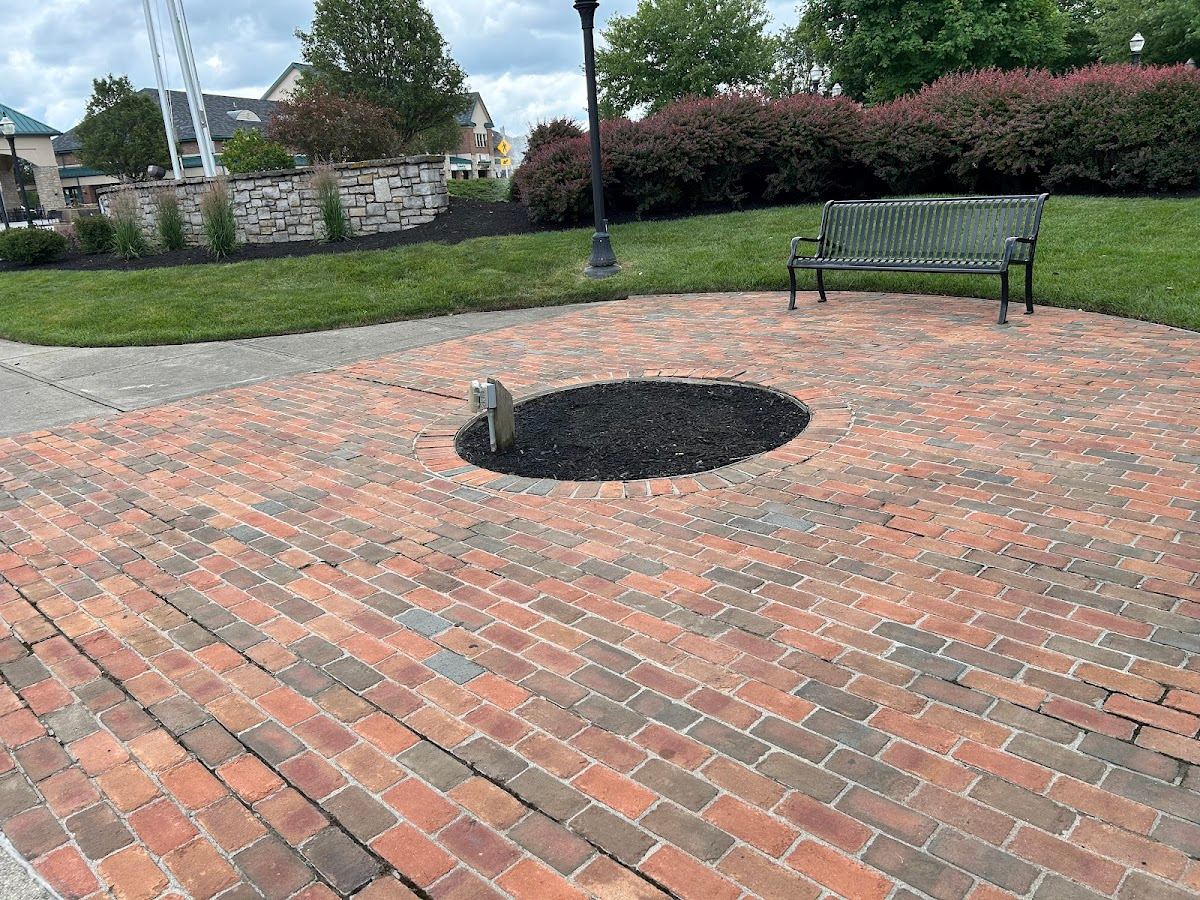
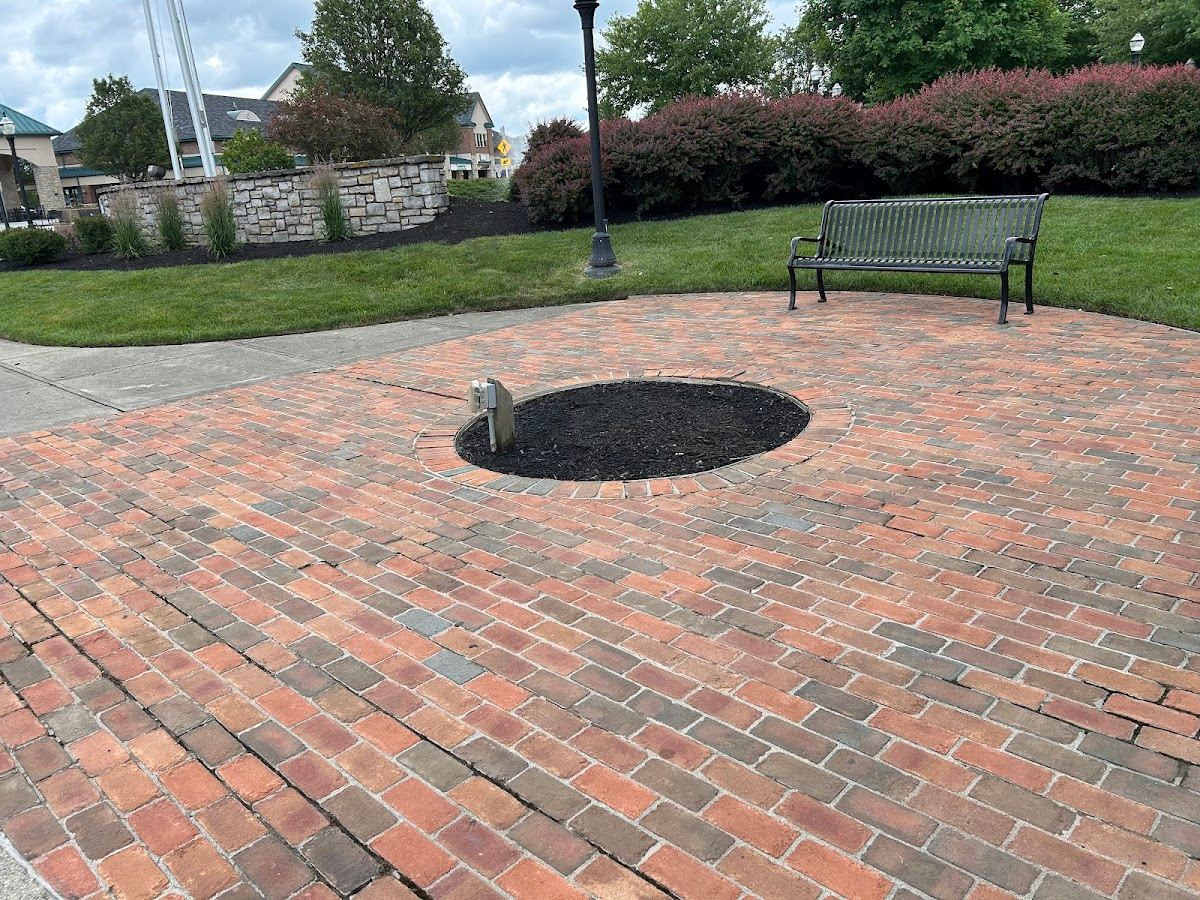
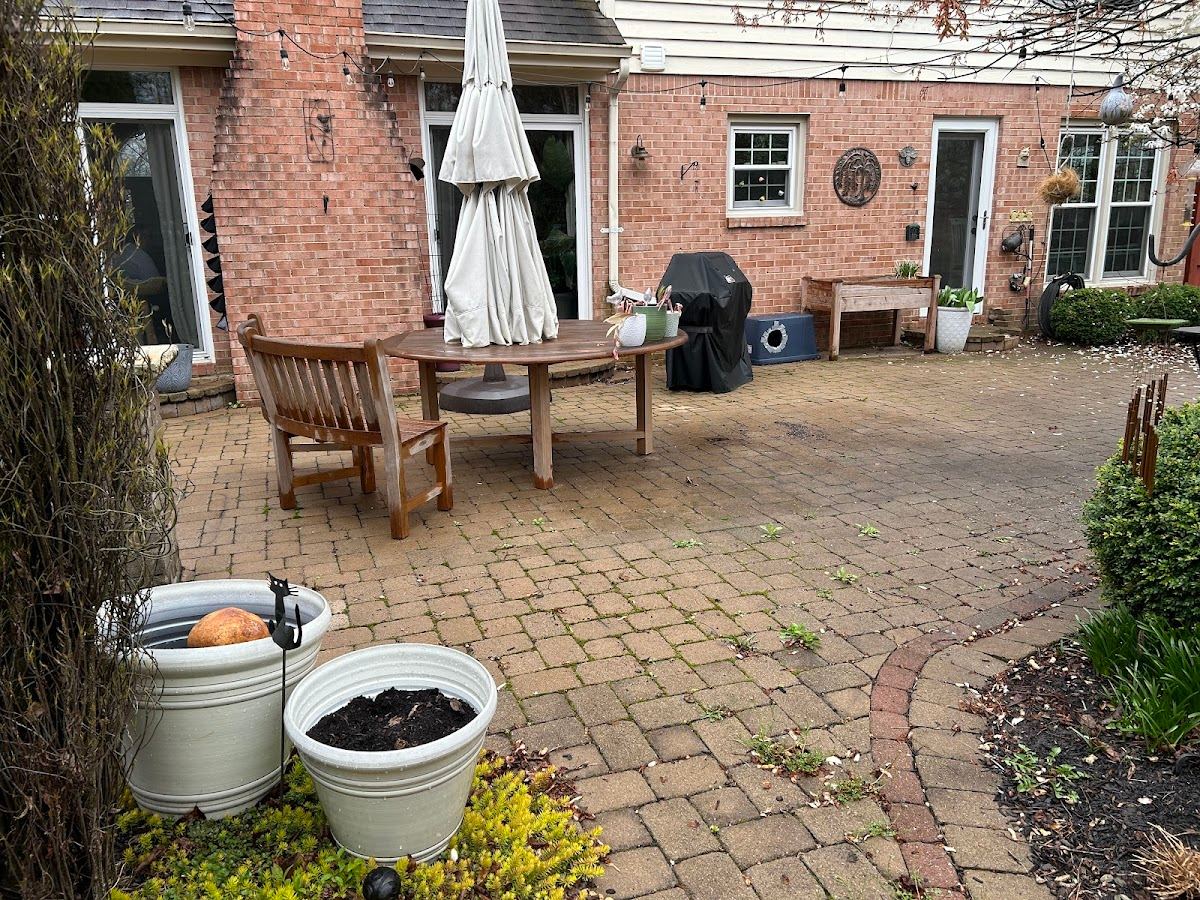
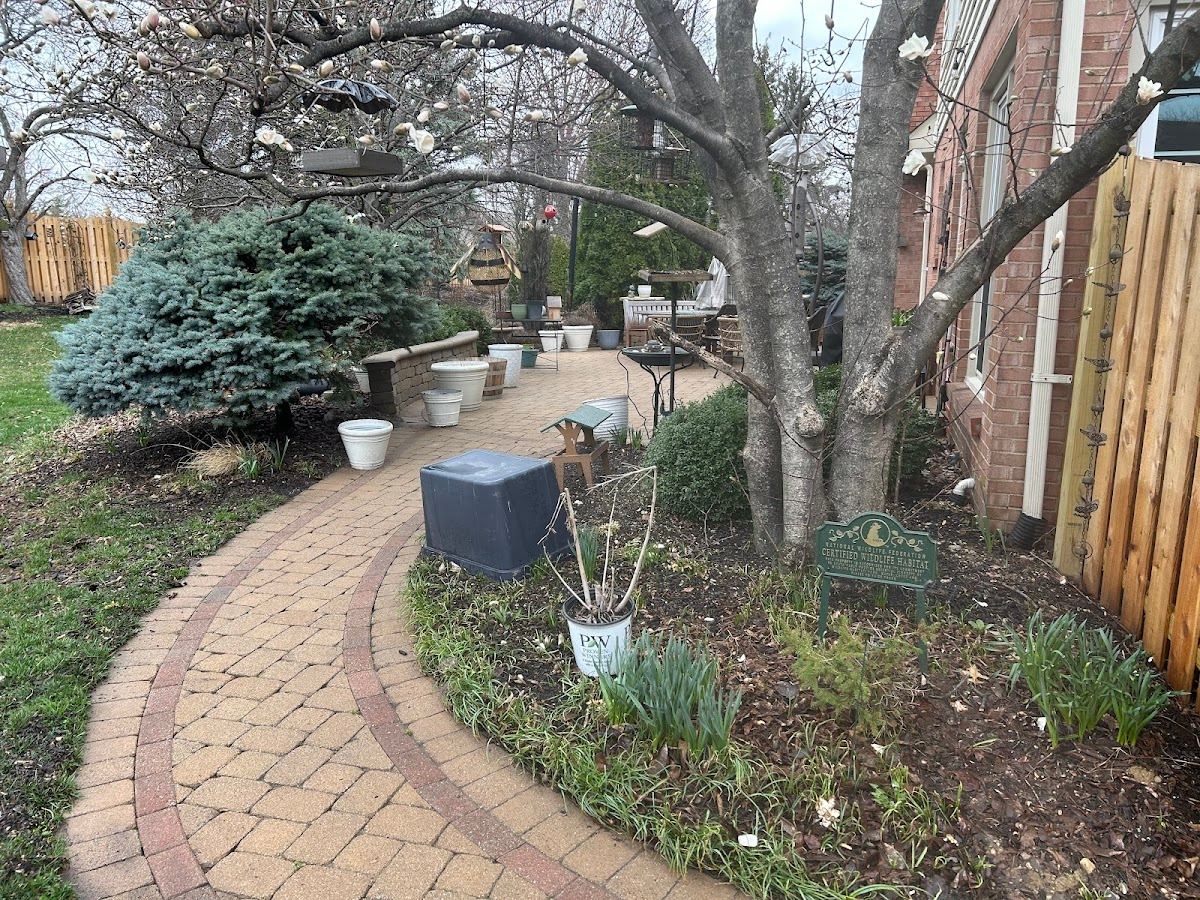
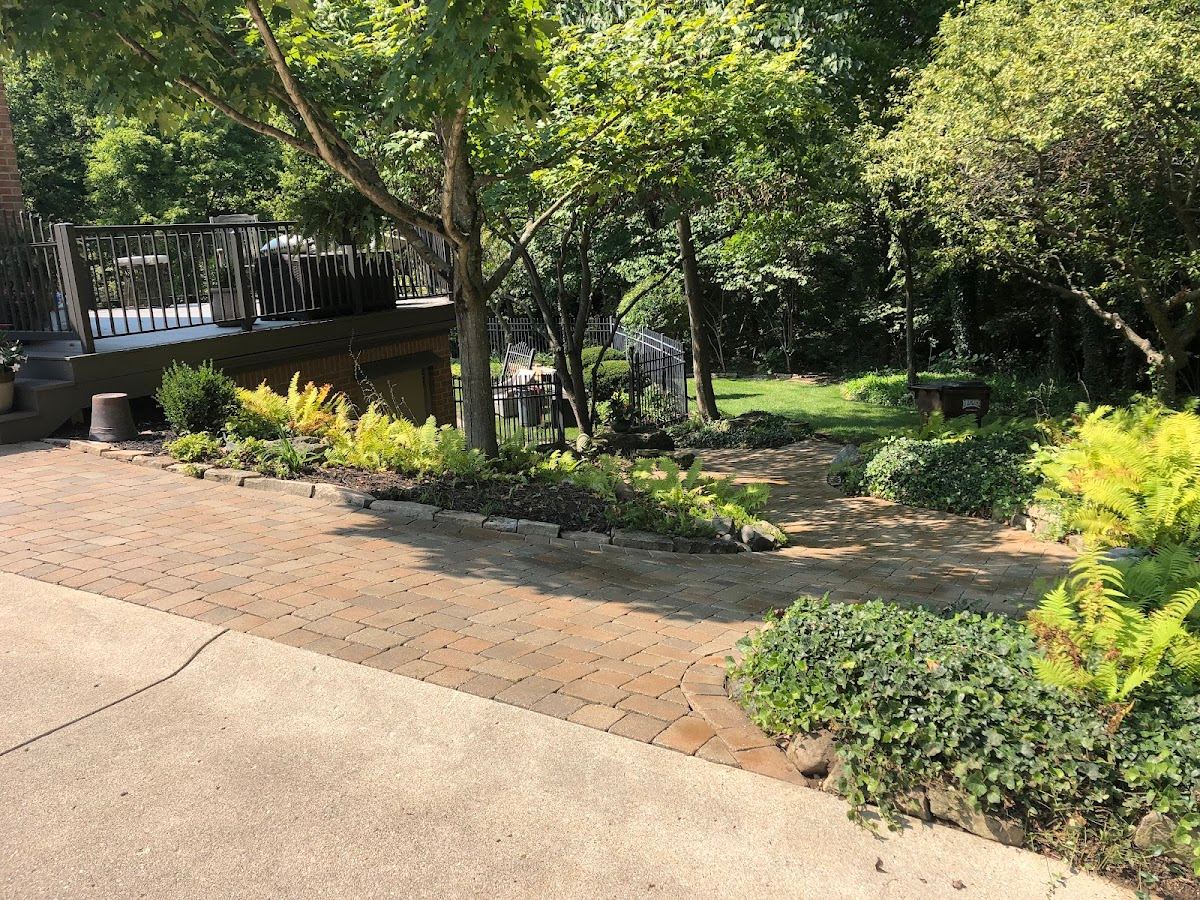
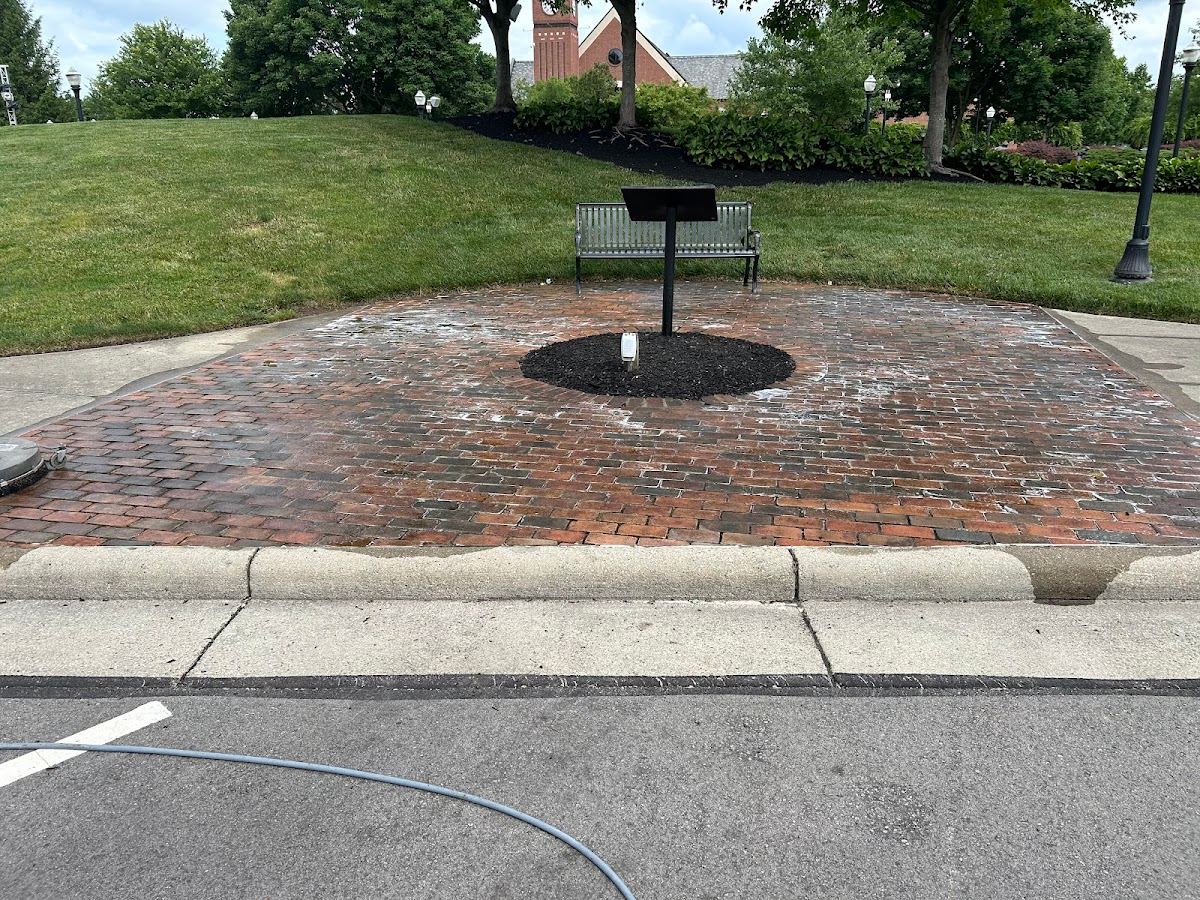
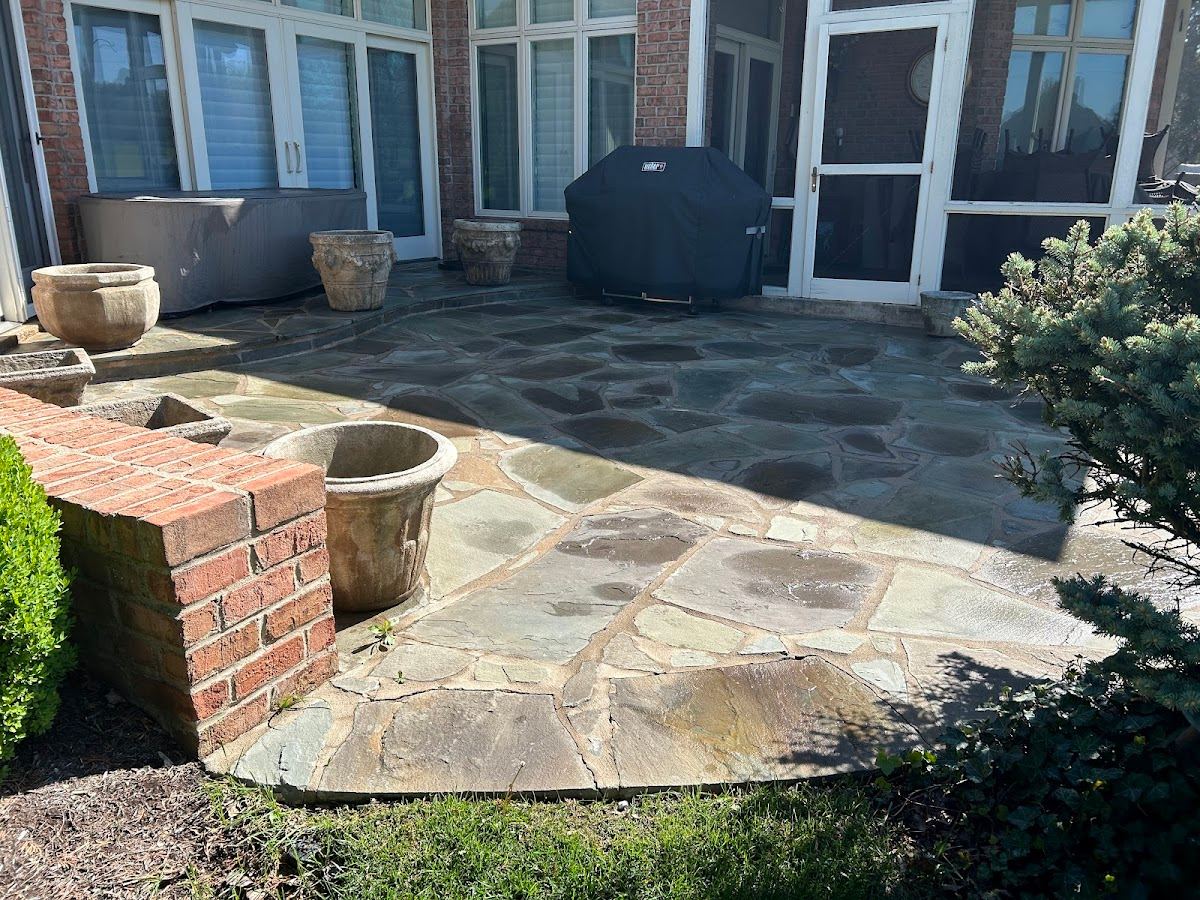
Real photos from Redhead Pressure Cleaning jobs across Ohio.
How It Works
Our Paver Cleaning Process
- 1
Request a Free Estimate
Call or text us a quick description (a photo helps) and we send back a clear, no-obligation quote.
- 2
We Inspect the Surface
We look at the material, the buildup, and the surroundings to choose the safest, most effective method.
- 3
We Choose the Right Method
High pressure for hard surfaces, low-pressure soft washing for siding, roofs, and delicate materials.
- 4
We Wash Safely & Thoroughly
We protect landscaping, apply surface-safe cleaning solutions, and clean every section with care.
- 5
Final Walkthrough
We walk the finished work with you to make sure you're happy before we pack up.
Related Services
Questions
Paver Cleaning FAQs
It can, if it's done with too much pressure or the wrong tip — that's what erodes joint sand, strips color off concrete pavers, and etches softer stone. We use a controlled, surface-safe process: a cleaning solution that kills the growth at the root, then a rinse with pressure and technique matched to your specific paver, using surface-cleaner tools that spread the force evenly instead of a gouging jet.
That's efflorescence — natural salts inside the paver being pulled to the surface as moisture evaporates. It's not mold and it won't scrub off with soap. It needs the correct cleaning solution to dissolve and lift the salts, and the surface must be fully dry before any sealer goes on, or the haze gets trapped under the coating permanently.
Yes, when the joints need it. Cleaning flushes out failed sand, weeds, and debris, and fresh joint sand locks the pavers together, blocks weed growth, and helps water drain instead of pooling. If you're also sealing, the sealer locks that new sand in place. We'll tell you during the estimate whether your joints need re-sanding.
It's often the smart moment to do it, because sealing requires a clean, dry, re-sanded surface — the exact condition your pavers are in right after a cleaning, so you don't pay to prep them twice. That said, not every patio needs sealing. We'll give you a straight recommendation either way. You can read more on our paver sealing page.
Most algae, mold, moss, dirt, and organic tannin staining come off completely with the right cleaning solution. Deep rust from furniture or fertilizer and old oil that has soaked into driveway pavers can usually be reduced dramatically but not always erased 100 percent. We'll look at your surface first and tell you honestly what to expect rather than overpromise.
Yes. Natural stone, flagstone, bluestone, and travertine all need a gentler, surface-safe approach than concrete pavers — travertine especially is porous and reacts badly to harsh or acidic solutions and high pressure. We identify exactly what material you have and adjust the method and cleaning solution to protect it.
Spring and fall are both ideal. Spring clears off winter algae, road salt, and pollen and preps the patio for the season, and it's the best window for re-sanding and sealing while the weather is warm and dry with no overnight freeze. Fall cleaning after leaf drop removes tannin-staining debris and sends your pavers into winter without organic growth building up under the snow.
Request a Free Estimate
Tell us about your paver cleaning job — a photo helps us quote fast.
Ready for Professional Paver Cleaning?
Get a free, no-obligation estimate for paver cleaning anywhere in Springboro, the I-75 corridor, and across Ohio.