Residential Service
Paver Sealing Services in Ohio
Lock in color, stabilize joints, and protect against stains.
Paver Sealing in Ohio
Sealing is what makes a paver job last. After a deep clean and fresh joint sand, a quality sealer locks the sand in place, deepens the color, and shields the surface from stains and Ohio weather — so your investment keeps looking new for years.
The Problem
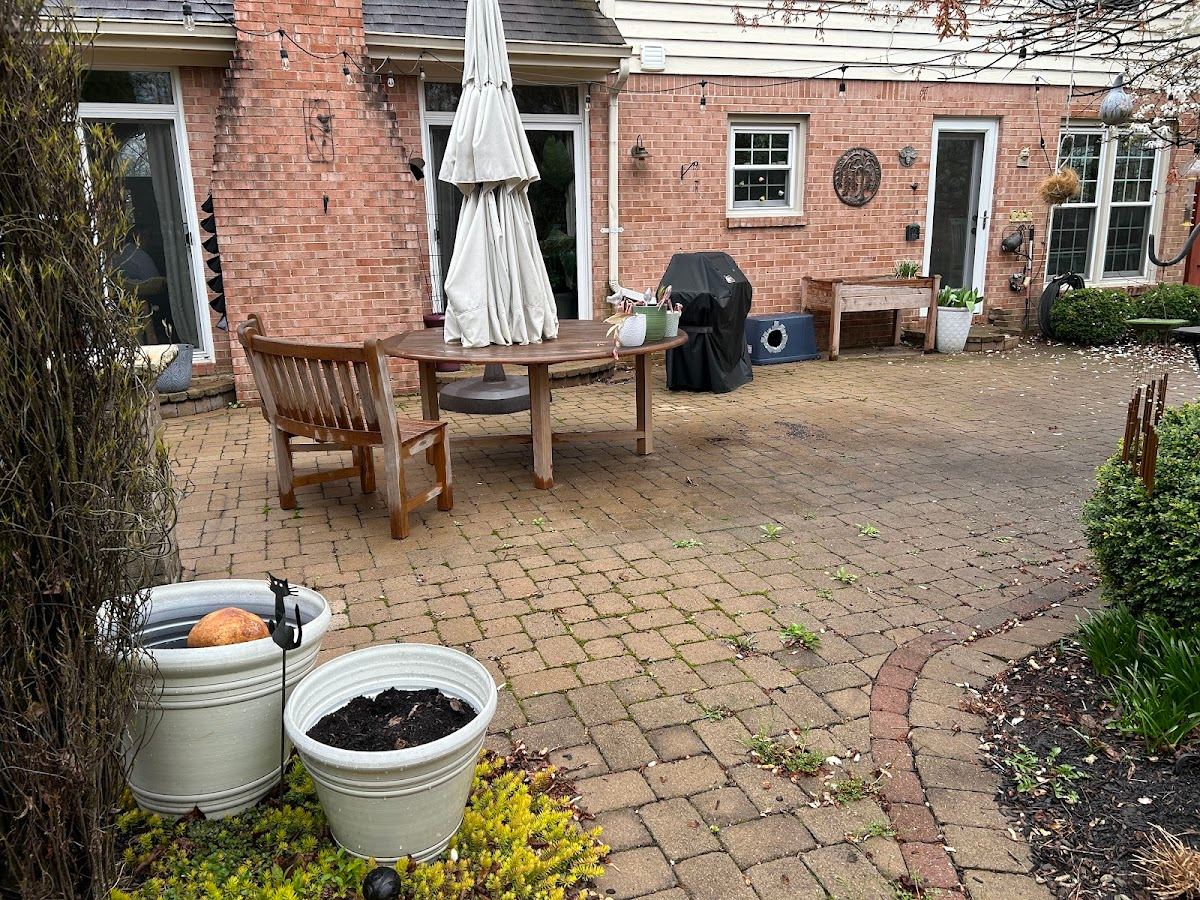
Unsealed pavers fade, shift, grow weeds in the joints, and stain easily.
Our Surface-Safe Approach
Clean and re-sand the joints, then apply a quality paver sealer that stabilizes the surface and enhances color.
The Result
Richer color, locked joints, and a stain- and weather-resistant surface.
Why choose Redhead for paver sealing
- Locks joint sand in place
- Enhances and deepens paver color
- Resists stains, weeds, and weathering
- Extends the life of your hardscape
- Done after a thorough cleaning for best results
Paver Sealing in Ohio
Your complete guide to paver sealing in Ohio
Why Ohio Pavers Fail Without Sealer: The Freeze-Thaw Problem
Pavers in southwest Ohio take a beating that pavers in mild climates never see. The reason comes down to one word: water. Concrete pavers, clay brick, and natural stone are all porous. They drink up rain, snowmelt, and humidity like a sponge. On its own that would be a slow problem. But our winters turn it into a fast one.
Here is the science. When water soaks into an unsealed paver and then freezes, it expands roughly nine percent. That expansion pushes outward from inside the stone. Then it thaws, then it refreezes with the next cold snap. The I-75 corridor between Dayton and Cincinnati can run through dozens of these freeze-thaw cycles in a single winter. Each cycle micro-fractures the surface a little more. Over a few seasons you get spalling, flaking, pitting, and crumbling edges that no amount of cleaning will bring back.
A quality sealer breaks that cycle at the source. It dramatically reduces how much water the paver absorbs, so there is far less moisture inside the stone to freeze and expand. The same barrier also blocks the road salt and de-icing brine that gets tracked onto driveways and walkways all winter, which is corrosive to concrete and accelerates surface breakdown. Sealing is not cosmetic in this climate. It is the difference between a hardscape that lasts decades and one that fails early. If your pavers are already green or grimy, start with professional paver cleaning first, because sealer should never be applied over dirt or organic growth.
Algae, Gloeocapsa Magma, and the Green-Black Film on Ohio Hardscape
Ohio's humid summers and shaded, tree-lined lots create the perfect environment for organic growth. That green haze and those black streaks you see creeping across shaded pavers are not just dirt. They are living colonies: algae, moss, lichen, and often Gloeocapsa magma, the same cyanobacteria responsible for the black staining people notice on roofs. It feeds on moisture and airborne nutrients, and a porous, unsealed paver holds moisture beautifully.
Left alone, this growth does more than look bad. Moss and algae hold water against the surface, which feeds the same freeze-thaw damage described above and makes walkways and pool decks genuinely slippery. Spring pollen, tree sap, and fallen leaves stain into the open pores and darken over time. Once organic matter gets a foothold in unsealed joints and pores, it comes back faster every year.
The right sequence matters. We use a surface-safe soft-wash cleaning solution to kill the organism at the root rather than just blasting the surface color away, then we let everything dry fully before any sealer touches the stone. Sealing over live algae simply traps it. A properly sealed paver gives that growth far less to cling to and makes the next routine wash much easier. Homeowners dealing with the same film on adjacent surfaces often pair this with patio cleaning so the entire outdoor living space is treated as one system.
Film-Forming vs. Penetrating vs. Joint-Stabilizing Sealers
Not all sealers do the same thing, and matching the product to the surface and the goal is where experience earns its keep. There are three broad categories, and each behaves differently on Ohio hardscape.
- Penetrating sealers soak into the stone and protect from within without changing the look much. They leave a natural, matte finish and are highly breathable, which matters a great deal in a freeze-thaw climate because they let vapor escape instead of trapping it. These are often the safest choice for natural stone and for driveways that see heavy sun and salt.
- Film-forming sealers sit on top and create a visible layer. They come in matte, satin, and wet-look or gloss finishes, deepen the color of the paver, and offer strong stain resistance against oil, grease, and tannins. The trade-off is that they must be applied correctly on a bone-dry surface, or trapped moisture can cause hazing and a cloudy white blush.
- Joint-stabilizing sealers do double duty. They protect the paver face and harden the polymeric sand in the joints, locking it in place so it resists washout from rain, wind, insects, and the pressure of a garden hose. Stabilized joints mean fewer weeds, less ant activity, and pavers that stay put instead of shifting.
During your free written estimate, we look at the paver material, the amount of sun and shade, the traffic the surface gets, and the finish you actually want, then recommend the right product and finish. There is no single best sealer, only the best sealer for your specific surface and goals.
Matching Method to Your Surface: Concrete, Clay Brick, and Natural Stone
The word paver covers several very different materials, and each one wants to be treated differently. Getting this wrong is one of the most common ways a sealing job goes sideways.
Concrete pavers are the most common in our area and the most porous, which is exactly why they benefit most from sealing. They stain and fade fastest when left bare, and their manufactured pigments lose color under UV without a protective barrier. They typically take film-forming or joint-stabilizing sealers well.
Clay brick pavers are denser and hold their color better, but their joints still wash out and their surface still hosts algae in shade. They usually call for a lighter touch and a breathable product so the classic brick look is preserved rather than glossed over.
Natural stone such as travertine, flagstone, and bluestone is beautiful but reactive. Many stones can be damaged by acidic cleaners and by the wrong sealer chemistry, and some are prone to that white haze if moisture is trapped underneath. These almost always want a breathable penetrating sealer and a gentler prep.
Across all of them, the cleaning approach is surface-safe and pressure is controlled, never cranked to the maximum. High pressure on the wrong paver strips the surface, etches natural stone, and blows the jointing sand out. Method is matched to the material, not forced on it.
Signs Your Pavers Are Overdue for Sealing
You do not need a moisture meter to know when your pavers need attention. A few simple checks tell the story.
- The water test. Splash a cup of water on the surface. If it beads up and sits, your sealer is still working. If it soaks in and darkens the paver within seconds, the protective barrier is gone.
- Fading color. Pavers that once looked rich and now look chalky, washed out, or gray have lost their UV protection and are taking sun damage.
- Stains that will not lift. When oil, rust, leaf tannin, or barbecue grease starts sinking in and staying instead of wiping away, the pores are wide open.
- Loose or missing joint sand. If you can sweep sand out of the joints with your foot, see gaps between pavers, or notice new weeds and ant hills, the joints are unstabilized and washing out.
- Green film, black streaks, or a slick feel underfoot. Organic growth returning quickly is a sign the surface has nothing repelling moisture.
Newly installed pavers are their own case. Fresh concrete pavers usually need to cure and weather for a period before their first seal so efflorescence can work its way out, and we will tell you honestly during the estimate whether yours are ready or should wait.
How Often to Reseal and the Right Time of Year in Ohio
In our climate, most homeowners land on resealing every two to three years, though the honest answer depends on your specific surface. A driveway baking in full sun and hit with winter salt wears faster than a shaded, low-traffic walkway. Penetrating sealers on a protected surface can stretch longer, while a high-gloss film on a busy patio comes due sooner. Rather than guess, we evaluate the actual surface and give you a clear, realistic recommendation.
Timing within the year matters just as much as frequency. Sealer needs a clean, fully dry surface and moderate temperatures to cure properly, which makes late spring through early fall the working window in Ohio. We want daytime temperatures comfortably above freezing, no rain in the forecast for the curing period, and a surface that has had time to dry out after any cleaning. Sealing too late in the season risks cold nights interrupting the cure; sealing on a damp surface risks hazing.
A smart cadence is to seal in the fall before winter salt and freeze-thaw arrive, or in late spring after the surface has shed its winter grime. Getting the timing right is a big part of why a job lasts its full life rather than failing early.
DIY Sealing Mistakes That Cost Homeowners More Than They Save
Sealer looks like a weekend job in a store aisle. In practice, the mistakes are expensive and hard to reverse, because once a bad seal is on the stone it usually has to be stripped before anything can be corrected.
- Sealing over moisture. The single most common failure. Sealing a surface that looks dry but still holds moisture in its pores traps that water and produces a cloudy white haze that can take a full strip to remove.
- Sealing over algae, dirt, or old failing sealer. Sealer only bonds to what is under it. Lock in live growth or grime and you seal in the problem permanently.
- Using the wrong product for the material. A film-forming gloss on breathable natural stone, or an acidic cleaner on travertine, causes damage that no reseal fixes.
- Over-applying. Pooling sealer that cannot soak in dries into sticky, shiny, or blotchy patches and can stay tacky for weeks.
- Too much pressure during prep. A rented pressure washer at full blast strips paver surfaces, etches stone, and blasts out the very joint sand you are trying to protect.
- Skipping joint sand. Sealing without re-sanding leaves the joints weak and invites weeds, ants, and shifting.
Add up a power-washer rental, multiple jugs of the wrong sealer, and the cost of correcting a hazed or blotchy finish, and the do-it-yourself route often costs more than doing it right the first time.
Why a Licensed and Insured Local Pro Is Worth It
Paver sealing rewards preparation, product knowledge, and reading the surface correctly, and that is exactly where a seasoned local company earns your trust. We know how southwest Ohio's freeze-thaw cycles, humidity, pollen, and road salt actually behave on hardscape because we work in it every season. We match the sealer and finish to your specific pavers, prep with a surface-safe soft-wash approach, re-sand and stabilize the joints, and time the application so it cures right.
Being licensed and insured protects your property, not just ours. Sealing involves cleaning solutions, equipment, and a surface that is not cheap to replace, and you should never carry that risk yourself. We treat your property as our own, from protecting adjacent plantings and siding to leaving the joints clean and the finish even.
Redhead Pressure Cleaning is owner-operated and holds a 5.0-star rating across 55 Google reviews. We serve homeowners throughout the Dayton-to-Cincinnati I-75 corridor and statewide, including Springboro, Centerville, and the greater Dayton area. If your driveway, walkway, patio, or pool deck is fading, staining, or drinking up water, we would be glad to take a look. Call or text us at (351) 242-0666 for a free written estimate, and we will give you a straight, honest recommendation on whether your pavers need sealing now and what it will take to protect them.
Real Jobs
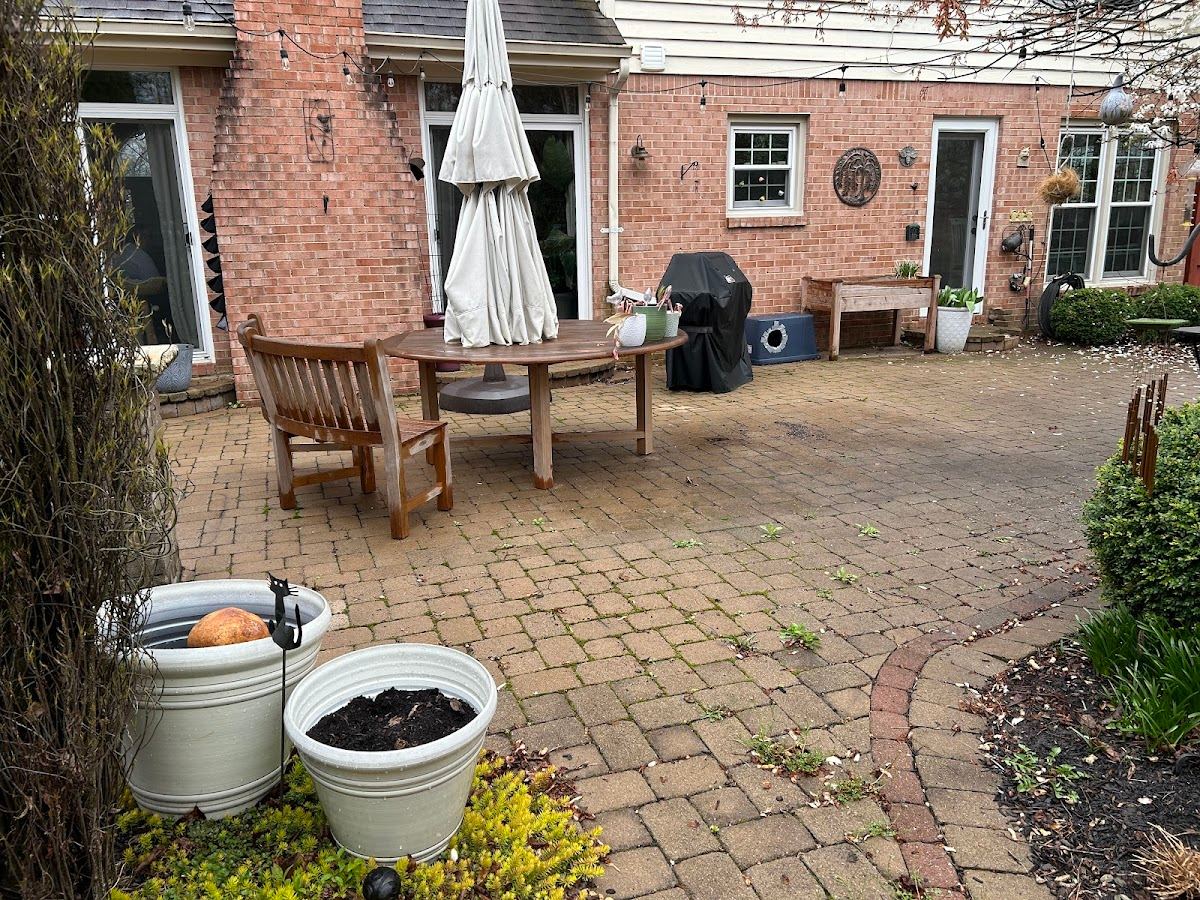
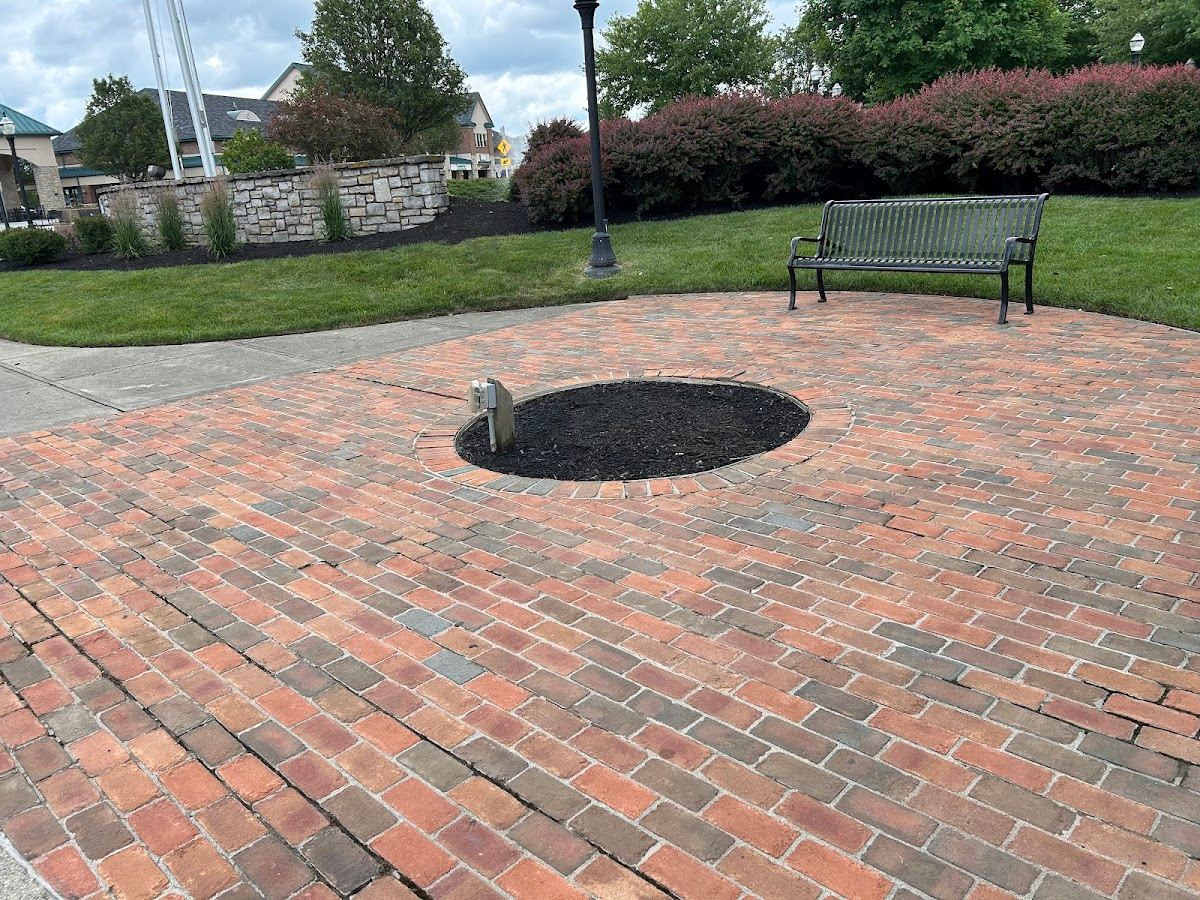
Paver Sealing — Recent Work
Real photos from Redhead Pressure Cleaning jobs across Ohio.
How It Works
Our Paver Sealing Process
- 1
Request a Free Estimate
Call or text us a quick description (a photo helps) and we send back a clear, no-obligation quote.
- 2
We Inspect the Surface
We look at the material, the buildup, and the surroundings to choose the safest, most effective method.
- 3
We Choose the Right Method
High pressure for hard surfaces, low-pressure soft washing for siding, roofs, and delicate materials.
- 4
We Wash Safely & Thoroughly
We protect landscaping, apply surface-safe cleaning solutions, and clean every section with care.
- 5
Final Walkthrough
We walk the finished work with you to make sure you're happy before we pack up.
Related Services
Questions
Paver Sealing FAQs
It depends on the sealer you choose. Penetrating sealers keep a natural, matte look while protecting from within. Film-forming sealers can deepen the color and are available in matte, satin, or wet-look gloss finishes. During your free estimate we show you the options so the finish matches what you actually want.
Not always right away. Fresh concrete pavers usually need to cure and weather for a period so efflorescence can release before the first seal, otherwise you can trap haze under the coating. We will inspect them and tell you honestly whether yours are ready or should wait a bit.
Yes. A joint-stabilizing sealer hardens the sand between the pavers, which resists washout and gives weeds and ants far less room to take hold. It also keeps the pavers from shifting. It is one of the most practical reasons homeowners seal in the first place.
Cure time varies with the product, temperature, and humidity, but as a general rule you keep foot traffic off for at least a day and vehicles off longer on a driveway. We give you exact instructions for your specific job and the current weather so the finish sets up properly.
Often yes, because that constant moisture is exactly what algae and Gloeocapsa magma feed on. We kill the existing growth with a surface-safe wash first, let it dry, then seal so the surface repels moisture and the green film comes back far more slowly and cleans up more easily.
Cleaning removes dirt, algae, and stains and restores the look. Sealing is the protective step that comes after, guarding against water, UV, salt, and stains going forward. Sealer must go on a clean, dry surface, so cleaning almost always comes first. Many homeowners book them together.
Yes. Pool decks favor breathable, joint-stabilizing sealers that keep sand out of the water and stay slip-conscious, while driveways need strong protection against sun, tire traffic, oil, and winter salt. We match the product and finish to how each surface is actually used.
Request a Free Estimate
Tell us about your paver sealing job — a photo helps us quote fast.
Ready for Professional Paver Sealing?
Get a free, no-obligation estimate for paver sealing anywhere in Springboro, the I-75 corridor, and across Ohio.