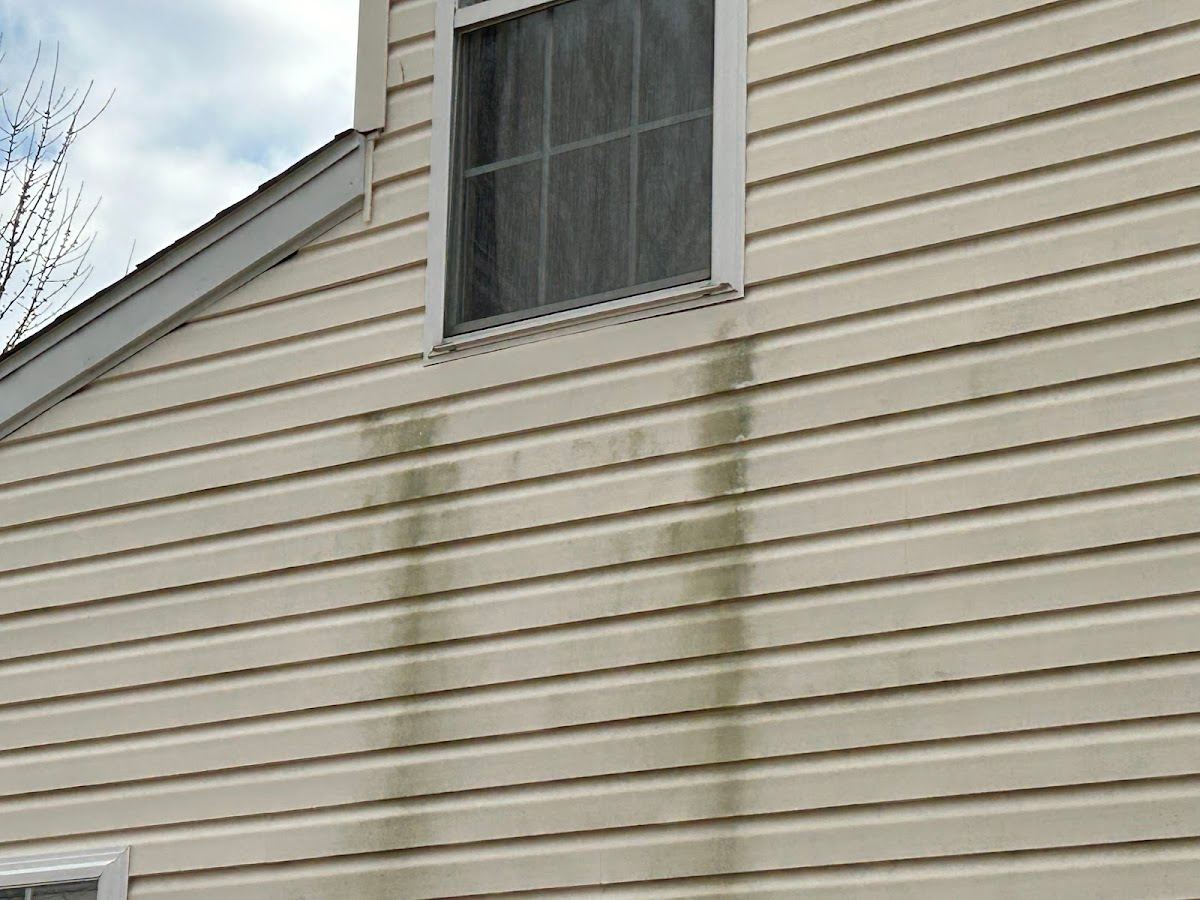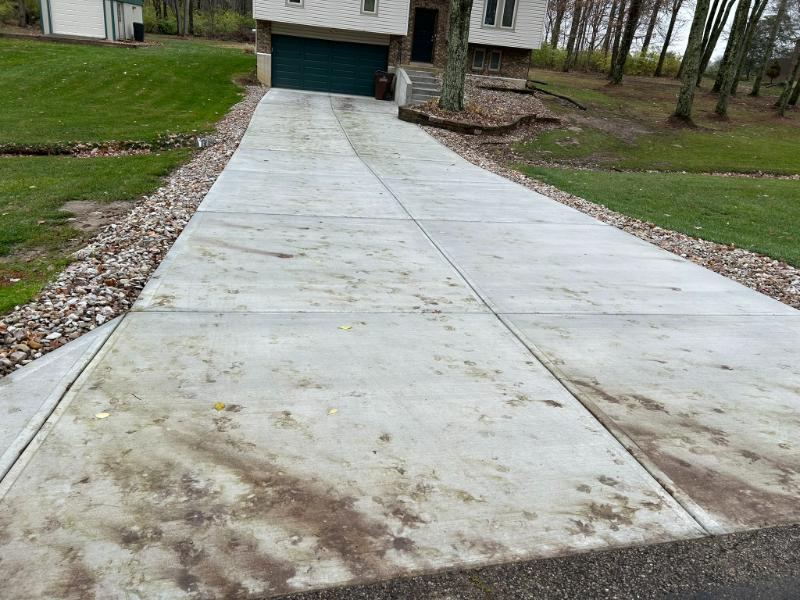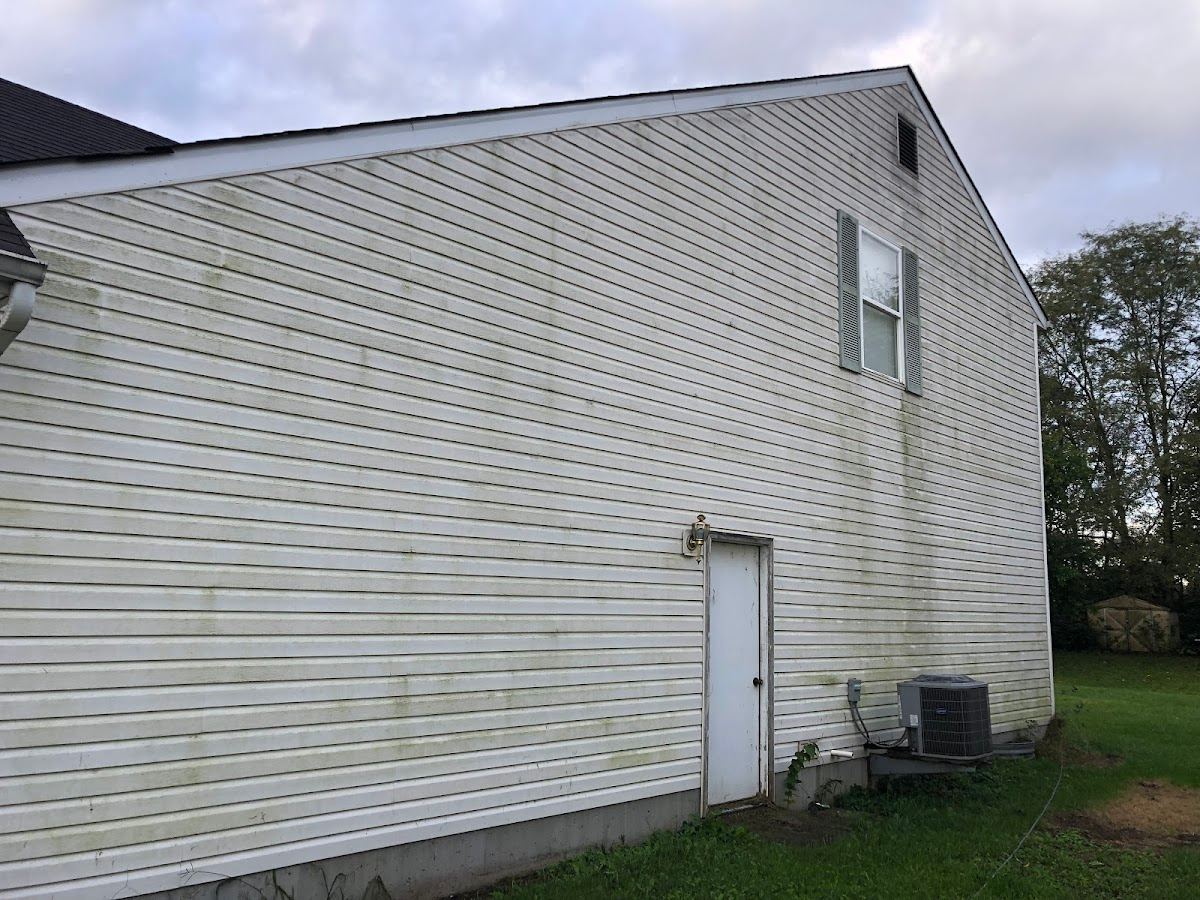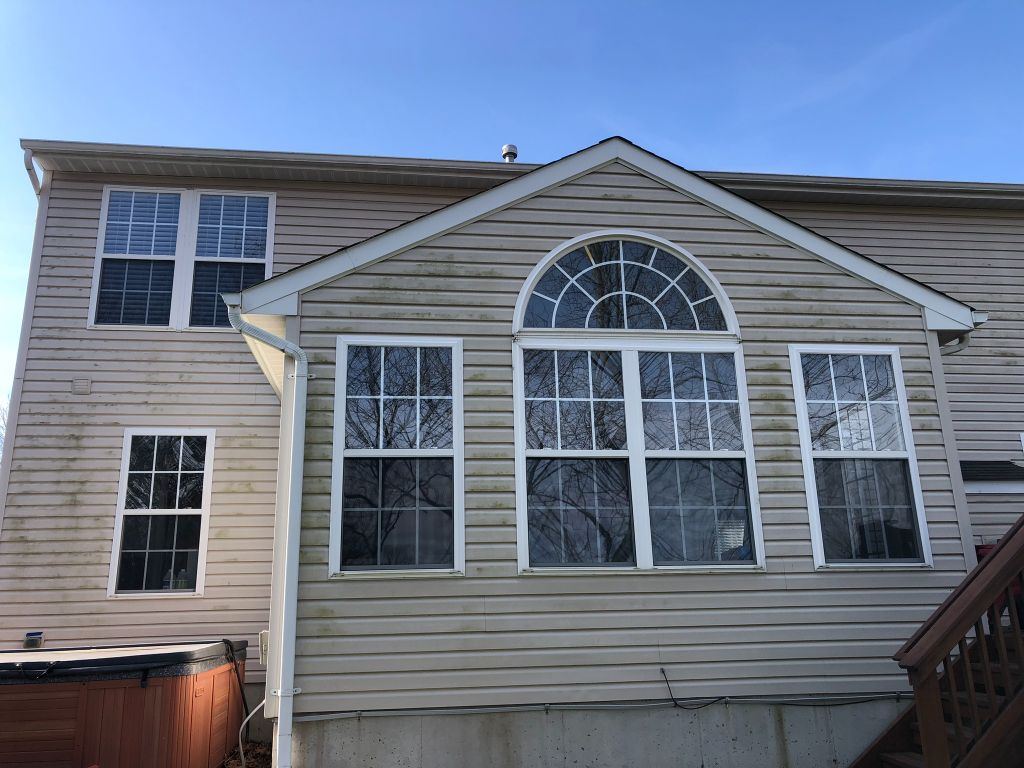
You walk out to grab the mail and notice it again. Green streaks creeping up the north side of your siding. A gray haze on the driveway that wasn't there last spring. Black spots dotting the shingles. In Ohio, dirt isn't just dirt. Our climate grows things on your house, and once they take hold, they spread.
The good news is that staying ahead of it is simpler than most homeowners think. The trick is knowing how often to clean, and which Ohio season is working against you. Here's how a local pro thinks about timing, so you spend less and your home looks better year-round.
The Short Answer for Ohio Homes
For most homes in the Dayton-to-Cincinnati corridor, a full exterior house wash once a year keeps siding clean and protects it. That single annual visit removes the algae, mildew, pollen, and road grime our climate piles on. It's the baseline.
But timing matters as much as frequency. If you can only clean once, aim for late spring or early summer. By then the pollen has mostly fallen and the winter salt is behind you, so one wash resets the whole house heading into the warm months.
Some surfaces need attention more than once a year. Others can stretch a little longer. The right schedule depends on which way your house faces, how much shade it gets, and what's growing on it. Here's how those factors play out across an Ohio year.
Why Ohio's Climate Is Tough on Siding
Ohio gives your home's exterior a full workout. We get real humidity in summer, hard freezes in winter, and everything in between. That swing is exactly what algae and mildew love.
Humid July air keeps north-facing and shaded walls damp for hours at a time. Damp surfaces grow green and black organic stains. Those aren't just ugly. Left alone, algae and mildew hold moisture against your siding and trim, and that shortens how long the surface lasts.
Then winter arrives. Freeze-thaw cycles work moisture into every tiny crack and pore. Each time water freezes, it expands and pushes. Grime that's been sitting on your siding all season traps that moisture right where you don't want it. A clean surface going into winter simply holds up better than a dirty one.
This is why a yearly house washing isn't cosmetic upkeep. It's maintenance that protects what your siding is supposed to do.
A Season-by-Season Cleaning Calendar
Thinking about the year in seasons makes the schedule easy to remember. Each Ohio season leaves its own mess behind.
- Spring: Pollen coats everything in a yellow film, and winter salt and sand are still clinging to lower walls, steps, and the driveway. A spring wash clears both at once.
- Summer: Heat and humidity drive algae and mildew growth, especially on shaded walls and north-facing surfaces. Midsummer is a smart time to knock back anything that's started turning green.
- Fall: Falling leaves leave tannin stains on concrete and pile up in corners, holding moisture against the house. A fall cleanup sets you up for winter.
- Winter: Road salt gets tracked onto driveways, walkways, and the bottom courses of siding. Salt is corrosive and worth rinsing off when there's a mild stretch.
You don't need a wash every season. But knowing what each one does to your home tells you when to act. If your house only gets one cleaning a year, schedule it for after pollen season and you've covered the most common offenders.
Soft Washing vs. Pressure Washing: Match the Method to the Surface
This is where a lot of well-meaning homeowners get into trouble. Not every surface should meet high pressure. Turning a powerful tip on vinyl siding, painted wood, or shingles can force water behind the surface, etch the material, or strip finish. The damage often shows up later, after the surface dries.
For siding, trim, soffits, and roofs, the right approach is soft washing. Soft washing uses low pressure and a surface-safe cleaning solution that breaks down algae, mildew, and grime at the root rather than blasting it off. It cleans more thoroughly because it kills what's growing, and it does so without risking the surface.
High pressure has its place. Concrete and brick can take it, which is why driveways, patios, and walkways respond well to a true pressure wash. The skill is knowing which surface gets which treatment. A surface-safe, soft-wash approach on the delicate areas and controlled pressure on the hard ones is how you get a deep clean without the regret.
Roofs and Driveways: Surfaces That Tell Their Own Story
Some parts of your home run on a different clock than the siding.
Those black streaks on your roof are a clue. They're a hardy algae that feeds on the limestone filler in asphalt shingles, and Ohio's humidity helps it thrive. It spreads slowly, then suddenly the whole north slope looks stained. A surface-safe roof washing clears it without the pounding pressure that loosens granules and shortens shingle life. Most Ohio roofs benefit from attention every couple of years, sooner if streaking is already heavy.
Your driveway works on its own timeline too. Concrete collects oil drips, tire marks, organic growth in the shaded sections, and a layer of winter salt and sand. A yearly driveway cleaning brightens the concrete and clears the slick algae film that builds up where the sun doesn't reach. If you park heavy vehicles or your drive runs through shade, you may want it done more often. A clean driveway is also a safer one underfoot, especially in our wet shoulder seasons.
What Changes Your Home's Cleaning Schedule
The once-a-year baseline fits most homes, but a few factors can pull that timeline forward. Walk your property and look for these.
- Shade and tree cover: Heavy shade keeps surfaces damp longer, which speeds up algae and moss. Wooded lots almost always need cleaning more often than open ones.
- North-facing walls: They get the least sun and stay damp, so they green up first. If one side of your house always looks worse, that's why.
- Nearby fields or farmland: Common across much of Ohio, open land means more airborne dust and pollen settling on your siding.
- Proximity to busy roads: Along the I-75 corridor, traffic film and winter road salt build up faster on homes close to the road.
- Light-colored siding: White, cream, and pale gray show green and black stains far sooner than darker tones.
If two or three of these describe your place, plan on cleaning ahead of schedule, or at least keep an eye on the shaded sides between full washes.
Spotting the Signs It's Time
You don't need a calendar reminder if you know what to watch for. Your home tells you when it's due. The most reliable signals are visible from the curb.
Green or black staining on siding means algae and mildew have settled in. A chalky or dull film across the walls is built-up pollen, dust, and traffic grime. Dark streaks running down the roof are that shingle-eating algae. A slippery feel on the driveway or walkway is organic growth you can actually feel underfoot.
Catching these early is the whole game. Organic growth spreads, and the longer it sits, the deeper it sets into the surface. A house cleaned once a year almost never gets to the heavily stained, hard-to-remove stage. A house ignored for several years often does. Regular cleaning is simply cheaper and easier than rescue cleaning.
Get a Local Read on Your Home
Every house is a little different. The honest way to know how often yours should be cleaned is to have someone who works on Ohio homes every week take a look at your siding, your roof, your shade, and the sides that face the weather. That's the kind of read you can't get from a calendar alone.
Redhead Pressure Cleaning LLC is based in Springboro and serves the I-75 corridor from Dayton down to Cincinnati, along with homeowners across Ohio. We're licensed and insured, we use surface-safe soft-wash methods on the surfaces that need them, and we treat your home as our own. If you'd like a straight answer on the right schedule for your place, we're glad to give you one with a free estimate. Call or text us at (351) 242-0666 and we'll take a look.