Commercial Service
Storefront Cleaning Services in Ohio
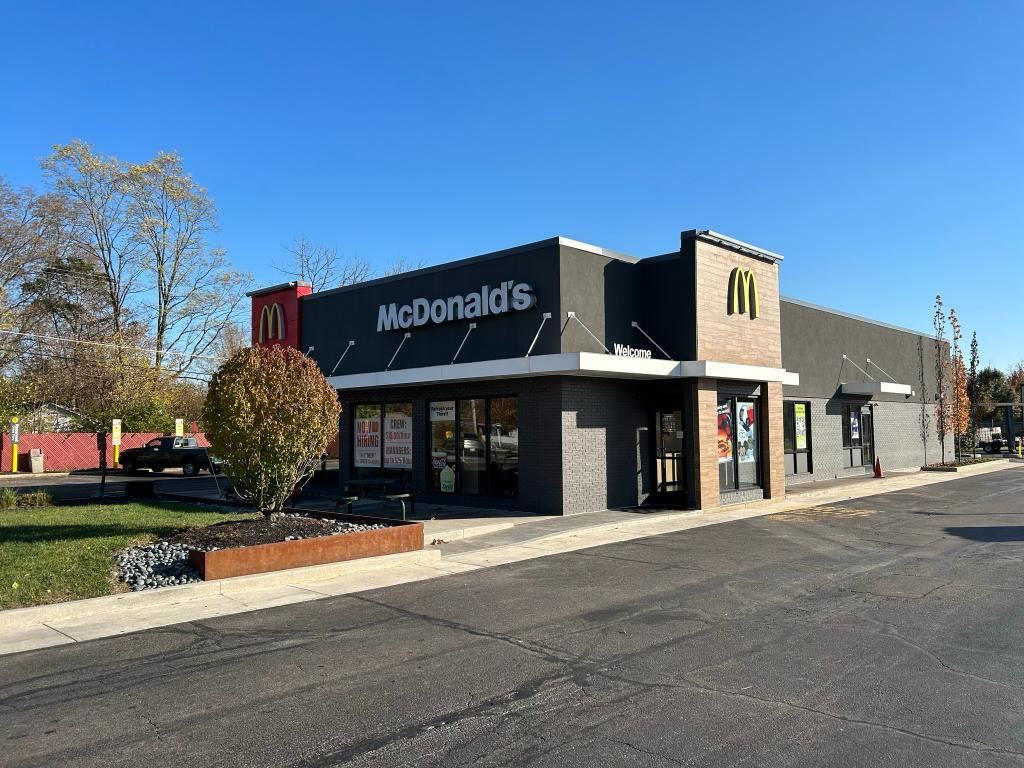
Welcoming, on-brand entrances that bring customers in.
Storefront Cleaning in Ohio
The few feet around your front door do a lot of selling. Dingy glass, stained walkways, and dirty entries tell customers you are not paying attention. We clean storefront facades, entries, glass, and walkways on a schedule that works around your hours, so your business always looks open and cared-for.
The Problem
Dingy entrances, glass, and walkways hurt foot traffic and brand perception.
Our Surface-Safe Approach
Entry, sidewalk, glass, and facade cleaning scheduled around business hours.
The Result
A welcoming, on-brand storefront that invites customers in.
Why choose Redhead for storefront cleaning
- Brighter, more welcoming entrance
- Scheduled around your business hours
- Removes gum, grime, and stains
- Consistent, on-brand appearance
- Recurring plans to stay sharp year-round
Storefront Cleaning in Ohio
Your complete guide to storefront cleaning in Ohio
Why Ohio Weather Is So Hard on a Storefront
A storefront takes a beating that most of your building never sees. It faces the street, the parking lot, and the weather all at once, and in southwest Ohio that means a long list of problems stacked on top of each other.
Start with the climate. Our humidity and shade feed algae and mildew, and the black or green staining you see creeping up an EIFS or stucco facade is usually Gloeocapsa magma, an airborne algae that roots into the surface and spreads. Pollen coats everything yellow-green each spring. Then winter arrives. Freeze-thaw cycles work moisture into porous masonry and grout lines, and the road salt and de-icer thrown off the I-75 corridor leave a chalky, corrosive film on lower walls, glass, and metal thresholds.
On the human side, a storefront collects handprints, drink spills, gum, and grease near the entry. Delivery traffic tracks in tire marks and oily residue. Bird droppings and spider webs gather under signage and awnings. None of this is cosmetic-only. Salt pits aluminum and etches glass, organic growth holds moisture against the wall, and grime accelerates the breakdown of sealants and paint. Left alone, a dirty facade quietly ages faster than a clean one. That is the real cost, on top of the first impression every customer forms before they touch the door.
How We Match the Cleaning Method to Each Surface
The single biggest mistake in storefront cleaning is treating the whole face of the building like one surface. It is not. A typical retail front is a mix of glass, aluminum or vinyl framing, an EIFS or stucco band, brick or painted CMU, fabric or metal awnings, illuminated signage, and a concrete walkway. Each one reacts differently to pressure and cleaning solution, so we match the method to the material instead of blasting everything at the same setting.
- EIFS, stucco, and painted surfaces get a soft-wash approach: low pressure plus a surface-safe cleaning solution that kills algae and mildew at the root rather than just rinsing the top layer. High pressure here cracks the coating and drives water behind it, which is expensive to repair.
- Brick and masonry are cleaned with controlled pressure and the right solution so we lift staining without blowing out mortar joints or leaving them saturated ahead of a freeze.
- Glass and aluminum storefront systems are rinsed first, then cleaned at low pressure to prevent spotting and to protect the gaskets and glazing seals around the panes.
- Fabric and metal awnings take fabric-safe solution and gentle application so colors stay true and stitching stays intact.
- Signage, light fixtures, and door hardware are hand-detailed where blasting would force water into electrical housings.
Soft washing does more than clean. Because it treats the organic growth chemically, it kills the spores instead of just knocking off the visible layer, so the surface stays clean longer between visits. For the concrete and pavement out front, we shift to the right approach for hardscape, the same way we do on a full commercial pressure washing job.
What a Storefront Cleaning Actually Includes
A storefront cleaning should cover the whole customer-facing zone, not just the glass. Here is what we look at on a standard visit so nothing gets skipped.
- The facade above eye level — the EIFS, stucco, brick, or painted band where algae and pollen collect and where most people never think to look until it is streaked.
- Entry glass, frames, and thresholds — handprints, salt film, and the grime line that builds where the door meets the frame.
- Awnings and canopies — cleaned top and underside, where webs and droppings hide.
- Signage and lighting — a clean, well-lit sign reads as an open, cared-for business after dark.
- The entry walkway and immediate concrete — gum, spills, and the dark traffic path right in front of the door.
We work top-down so nothing dirty rinses onto an area we already cleaned, we protect landscaping and control our rinse water, and we treat your property as our own. Because the sidewalk and pavement out front are usually part of the same first impression, many storefront clients pair this with sidewalk cleaning so the walkway and the building match. Before any of this, you get a free written estimate that spells out exactly which surfaces are included, so there are no surprises on the invoice.
Signs Your Storefront Is Overdue for a Cleaning
Most owners walk past their own front door so many times a day that they stop seeing it. Here is how to look at your storefront the way a first-time customer does. Any one of these is a signal it is time.
- Green or black staining creeping up the stucco, EIFS, or the shaded side of the building — that is algae, and it spreads.
- A gray or yellow film on the glass and frames that squeegeeing does not fully remove, often salt and pollen buildup.
- A dark traffic path worn into the concrete directly in front of the entry.
- Streaks running down the wall below the awning, signage, or windowsills.
- Cobwebs and nests tucked into sign returns, light fixtures, and awning corners.
- A white, chalky band along the bottom of the walls after winter, which is road salt residue.
A quick honest test: stand across the street or in the far corner of your lot and look at your building for ten seconds. If the dirt jumps out at you from there, it is jumping out at every customer who drives by. In a competitive retail row, the cleanest storefront on the block wins the walk-in almost every time.
How Often Storefronts Should Be Cleaned in Southwest Ohio
There is no single right answer, because a bakery in a high-traffic plaza and a quiet office suite age at very different rates. But our climate gives a useful framework. Most storefronts along the Dayton-to-Cincinnati corridor do well on a quarterly to twice-a-year schedule for the facade, with the entry glass and walkway cleaned more often because they show wear fastest.
Timing matters as much as frequency. A spring cleaning clears winter salt film, road grime, and the first flush of pollen. A late-summer or early-fall cleaning knocks back the algae and mildew that thrive in our humidity and preps the facade before winter locks in moisture and freeze-thaw. Restaurants, medical offices, and any high-touch retail usually justify more frequent entry-zone service because handprints and grease build quickly.
Regular service is also cheaper per year than waiting. Recurring cleaning stops staining before it sets and roots, which means each visit is faster and lighter, and the surfaces last longer. Emergency deep-cleans after a facade has gone visibly green are always the harder, more involved job. Businesses that share a plaza or manage a lot often bundle the building with parking lot cleaning on the same schedule so the whole property presents as one clean, maintained space.
DIY Storefront Cleaning Mistakes That Cause Real Damage
Renting a pressure washer looks like an easy way to save money on a storefront. It is also how a lot of expensive facade repairs start. Here are the mistakes we see most often.
- Too much pressure on the wrong surface. A tip that cleans concrete will crack EIFS, gouge stucco, blow out mortar joints, and force water behind the coating where it feeds mold you cannot see.
- Blasting glass and frames directly. High pressure at the seals and gaskets around storefront glazing pushes water inside and shortens the life of the whole system.
- Wrong solution, or none at all. Rinsing without the right cleaning solution just moves algae around. It regrows within weeks because the spores are still rooted in the surface.
- Harsh, wrong-strength product. The wrong mix strips paint, discolors awning fabric, corrodes anodized aluminum, and kills the landscaping it rinses onto.
- Cleaning bottom-up, or in freezing weather. Working upward leaves streaks that dry in; washing a porous wall before a hard freeze invites cracking.
- Ladder work over a public sidewalk. Reaching signage and the upper facade from a ladder in front of foot traffic is exactly the liability a business should not take on itself.
The theme is simple. Pressure is a tool, not the goal. On a storefront, the right cleaning solution and the right method do most of the work, and knowing which surface needs which is what keeps the building intact.
Why a Licensed and Insured Local Pro Is Worth It
Storefront work happens over public sidewalks, near your customers, and on a building you cannot afford to damage. That is exactly where hiring a licensed and insured professional pays off. If something goes wrong, the liability sits with us, not with your business, and that protection matters when the work is happening in a busy retail zone.
Being local matters too. We know how the salt and freeze-thaw of an Ohio winter behaves, how our humidity feeds algae, and how to schedule around your busiest hours so the cleaning never gets in the way of a customer. As an owner-operated company, the person quoting your job is the person accountable for it. That shows up in the details of a storefront, where careful surface-matching and clean edges are the whole point.
Redhead Pressure Cleaning is based in Springboro and serves the I-75 corridor from Dayton to Cincinnati and businesses across Ohio, and we treat your property as our own. If your storefront is looking tired, salt-streaked, or green around the edges, let's get it looking sharp again. Call or text us at (351) 242-0666 for a free written estimate — no pressure, just a straight answer on what your building needs.
Real Jobs
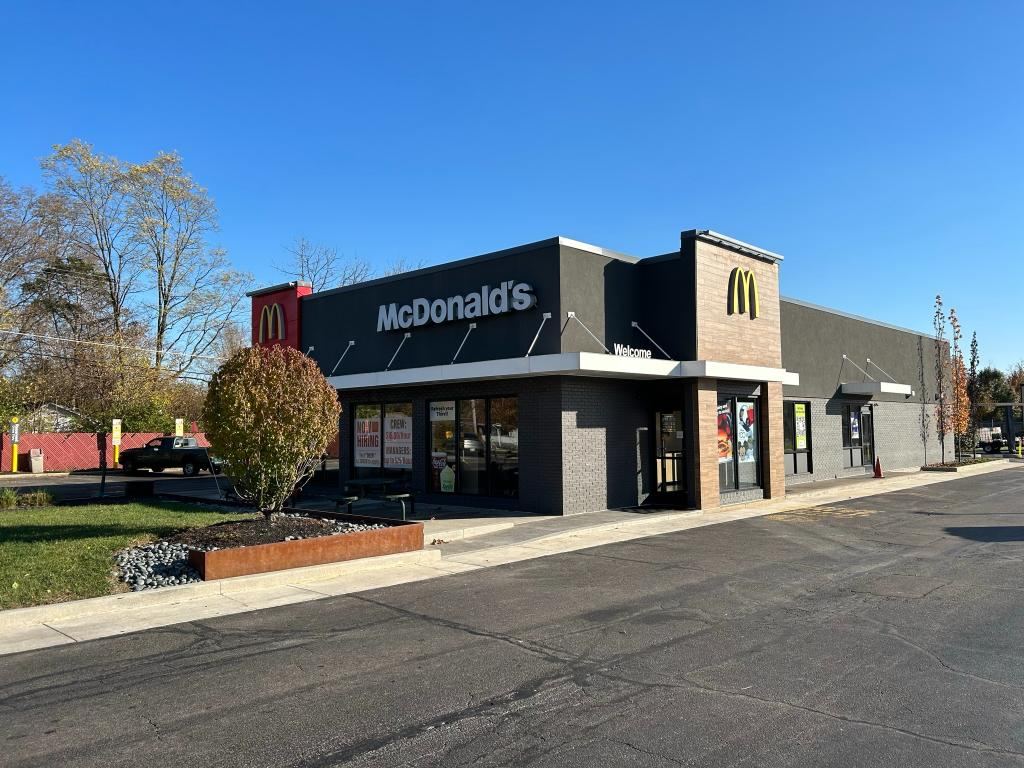
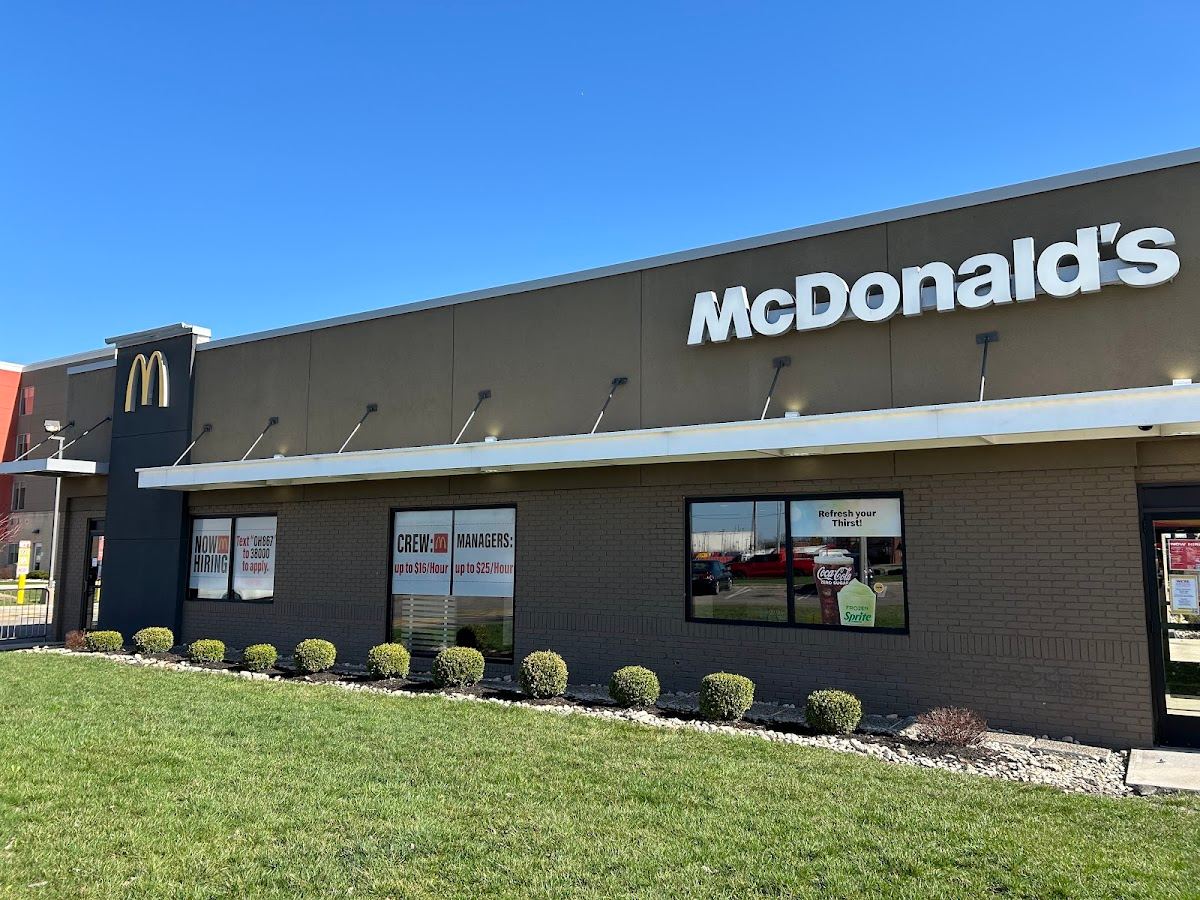
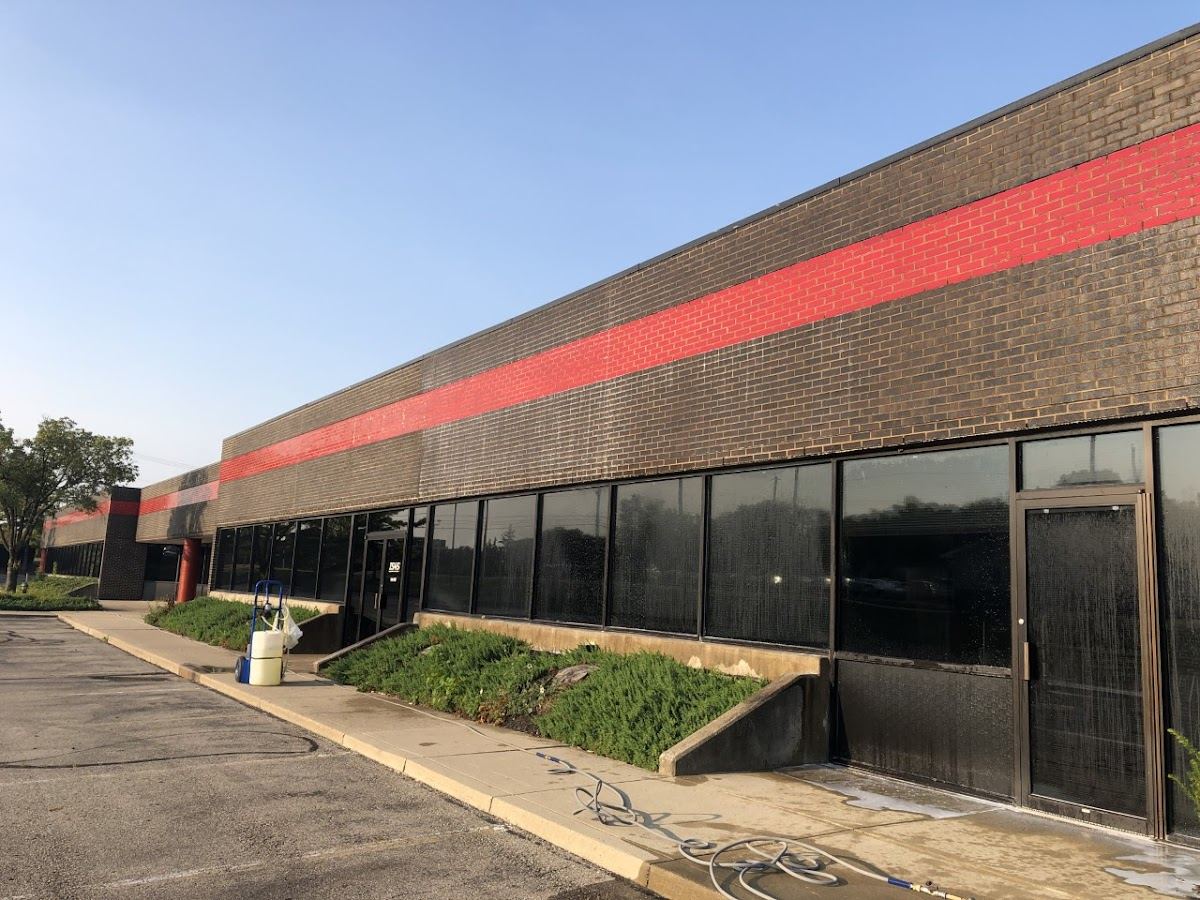
Storefront Cleaning — Recent Work
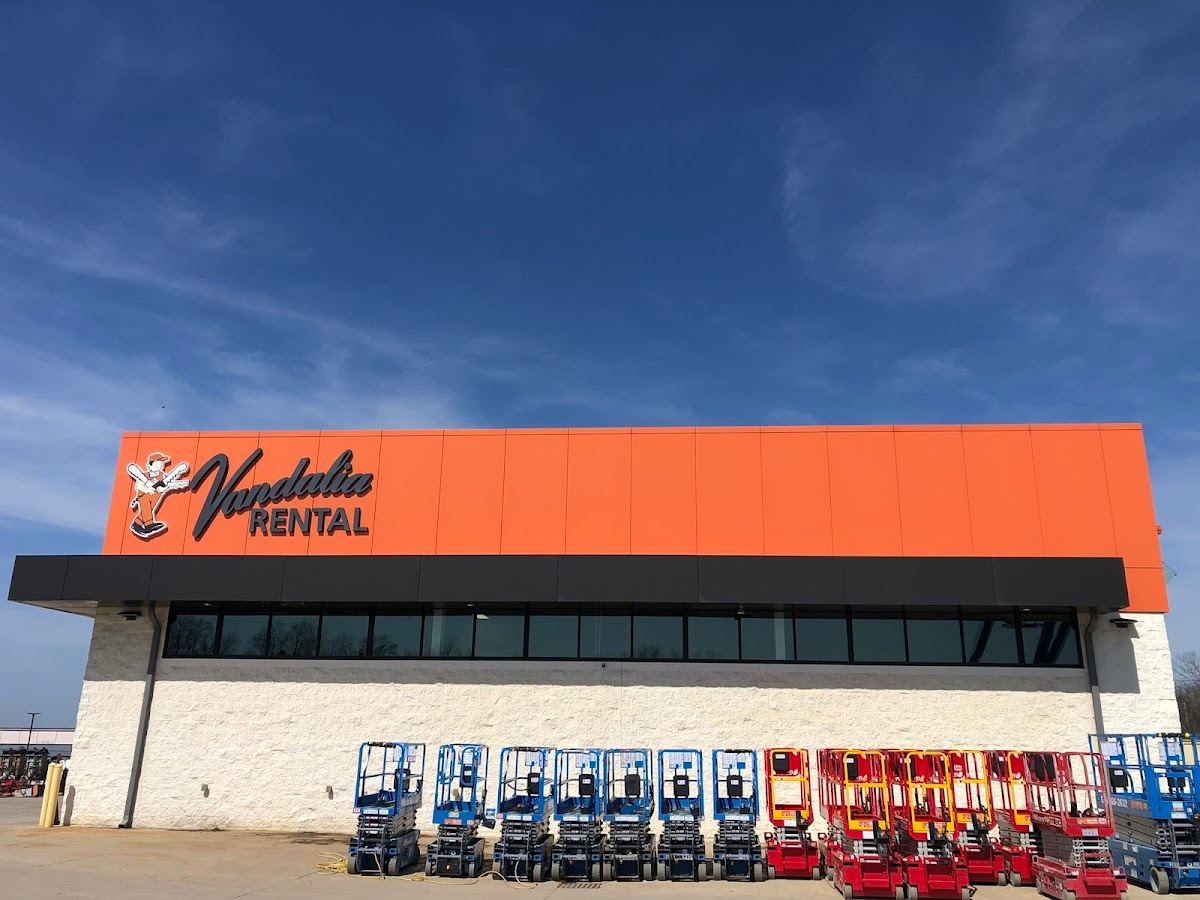
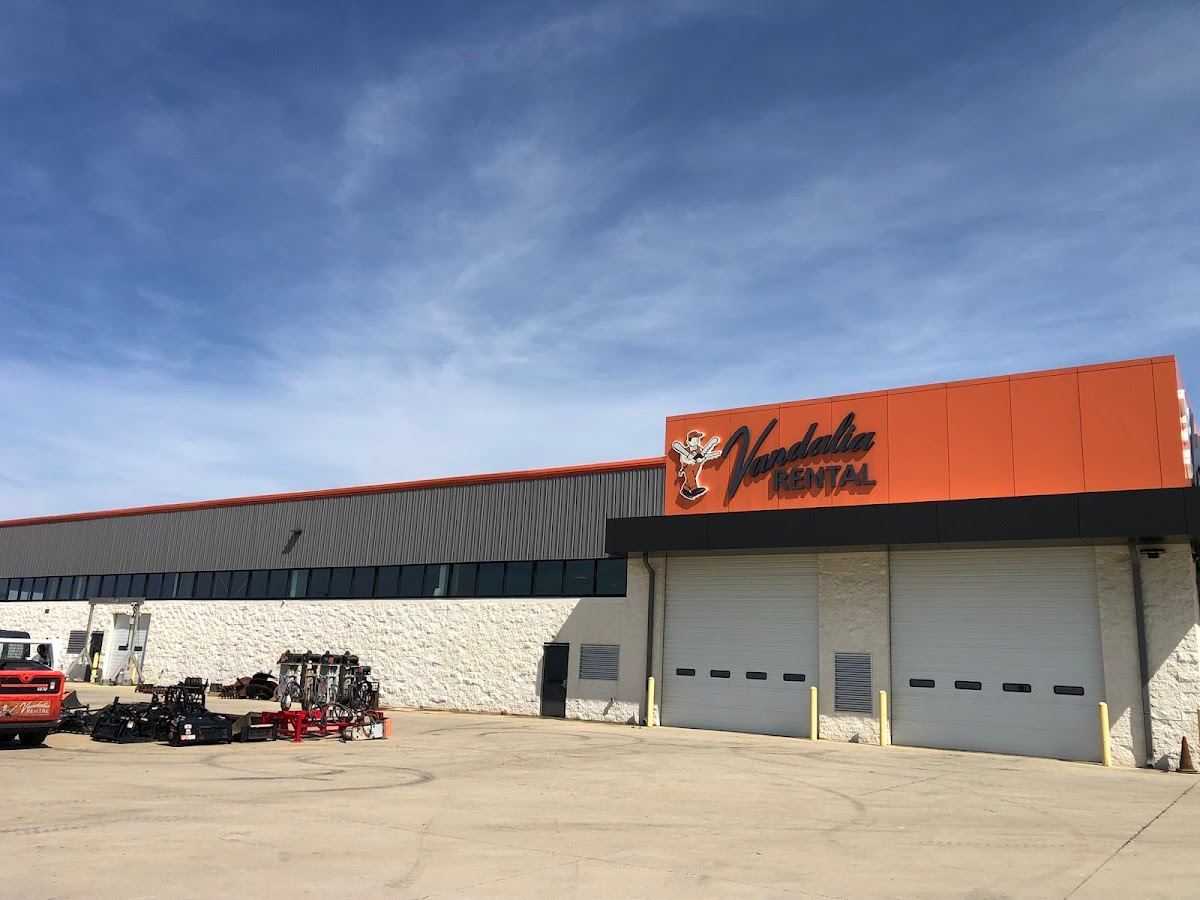
Real photos from Redhead Pressure Cleaning jobs across Ohio.

How It Works
Our Storefront Cleaning Process
- 1
Request a Free Estimate
Call or text us a quick description (a photo helps) and we send back a clear, no-obligation quote.
- 2
We Inspect the Surface
We look at the material, the buildup, and the surroundings to choose the safest, most effective method.
- 3
We Choose the Right Method
High pressure for hard surfaces, low-pressure soft washing for siding, roofs, and delicate materials.
- 4
We Wash Safely & Thoroughly
We protect landscaping, apply surface-safe cleaning solutions, and clean every section with care.
- 5
Final Walkthrough
We walk the finished work with you to make sure you're happy before we pack up.
Questions
Storefront Cleaning FAQs
Not when it is done correctly. EIFS, stucco, and painted facades should be soft-washed with low pressure and a surface-safe cleaning solution, never blasted at high pressure. High pressure cracks the coating and drives water behind it, so matching the method to the material is the whole point. We identify each surface before we clean it.
Yes. We schedule around your busiest times and can work early mornings, evenings, or slower days so foot traffic is never blocked. We control our rinse water, protect entryways, and keep the work area safe for anyone passing on the sidewalk. Just let us know your hours and we will plan around them.
Yes. The white, chalky film left along the base of walls, glass, and metal thresholds after an Ohio winter is road salt and de-icer residue, and it is corrosive if it sits. A spring cleaning with the right solution lifts that film off the facade, frames, and walkway before it pits aluminum or etches glass.
Because we soft-wash the facade, the cleaning solution kills the algae and mildew spores at the root rather than just rinsing the visible layer, so surfaces stay clean noticeably longer than a plain rinse. In our humid climate, most storefronts hold up well on a quarterly to twice-a-year facade schedule, with entry glass and walkways refreshed more often.
The whole customer-facing zone. A standard storefront visit covers the facade, entry glass and frames, awnings top and underside, signage and light fixtures, and the concrete right in front of the door. Awnings get fabric-safe solution and gentle application, and signage and fixtures are hand-detailed where blasting would force water into electrical housings.
Storefront cleaning focuses on the customer-facing entrance zone — the facade, glass, awnings, signage, and walkway that shape a first impression. Full commercial pressure washing covers the whole property, including large walls, docks, dumpster pads, and pavement. Many clients start with the storefront and expand to the full building and lot once they see the difference.
No. Once we have walked the property and provided your free written estimate, we can complete most storefront cleanings without you present, as long as we have access to the areas and any water source we need. We are licensed and insured and treat your property as our own, and we will follow up when the work is done.
Request a Free Estimate
Tell us about your storefront cleaning job — a photo helps us quote fast.
Ready for Professional Storefront Cleaning?
Get a free, no-obligation estimate for storefront cleaning anywhere in Springboro, the I-75 corridor, and across Ohio.