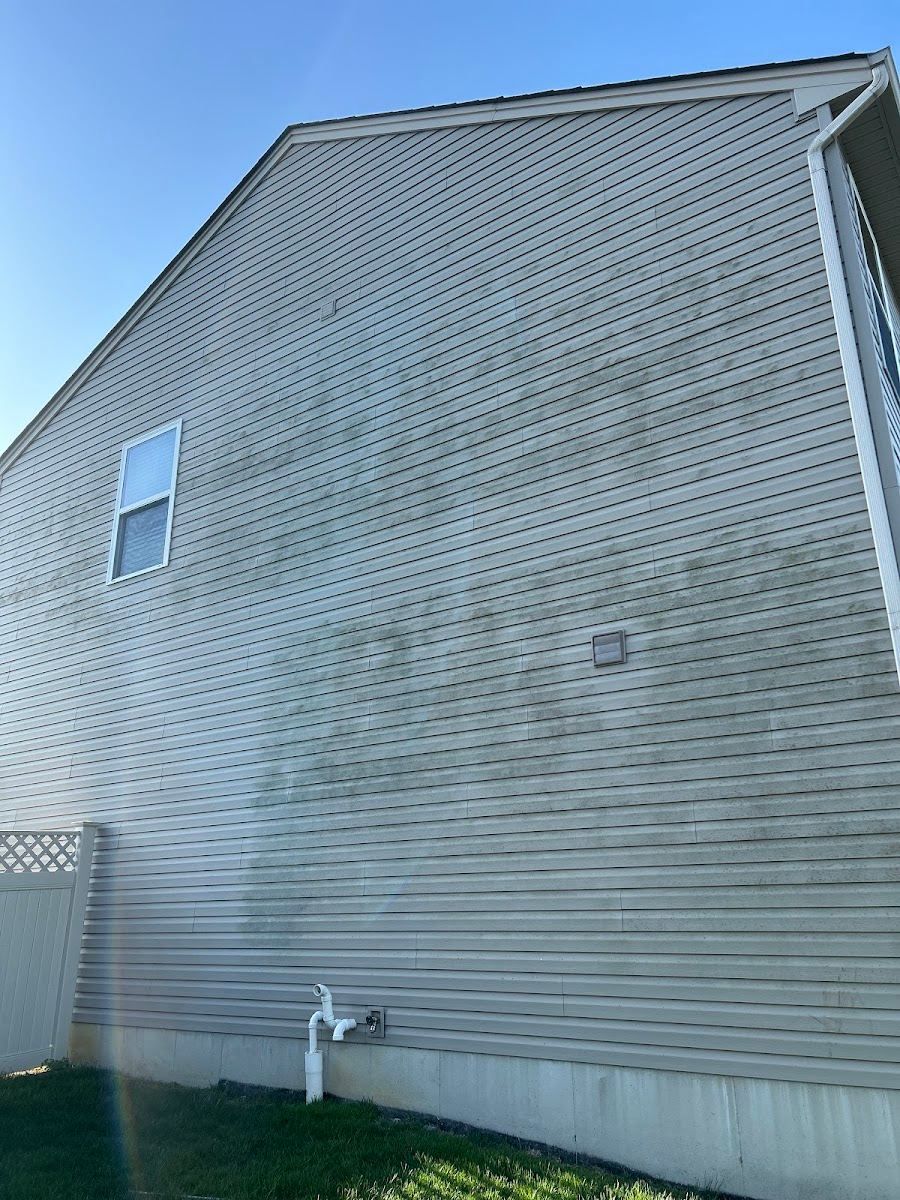
You rented a pressure washer for the weekend. By Sunday afternoon, your siding has streaks, a chunk of mortar is missing, and water is somewhere it shouldn't be. That's not bad luck. That's the predictable result of pointing 3,000 PSI at a house that was never built to take it.
DIY pressure washing damage is one of the most common calls we field along the I-75 corridor between Dayton and Cincinnati. Folks see grime, grab a machine, and only learn afterward that the cleanup costs more than hiring a pro would have. Here's what actually goes wrong, and why our Ohio climate makes it worse.
The Pressure Is the Problem, Not the Solution
Most homeowners assume more pressure means a cleaner surface. The opposite is usually true. A rented gas washer pushes 2,500 to 4,000 PSI. Your vinyl siding, wood trim, and asphalt shingles were never engineered to absorb that kind of force.
The damage rarely shows up as a dramatic blowout. It shows up small. A hairline crack in the caulk. A lifted shingle edge. A divot in soft cedar. Then Ohio weather finds those openings and goes to work.
This is why the right approach for siding and roofs is low pressure plus the correct cleaning solution. We call it soft washing, and it cleans by breaking down algae and mildew at the root rather than blasting at the surface. The grime leaves. The house stays intact.
What High Pressure Does to Ohio Siding
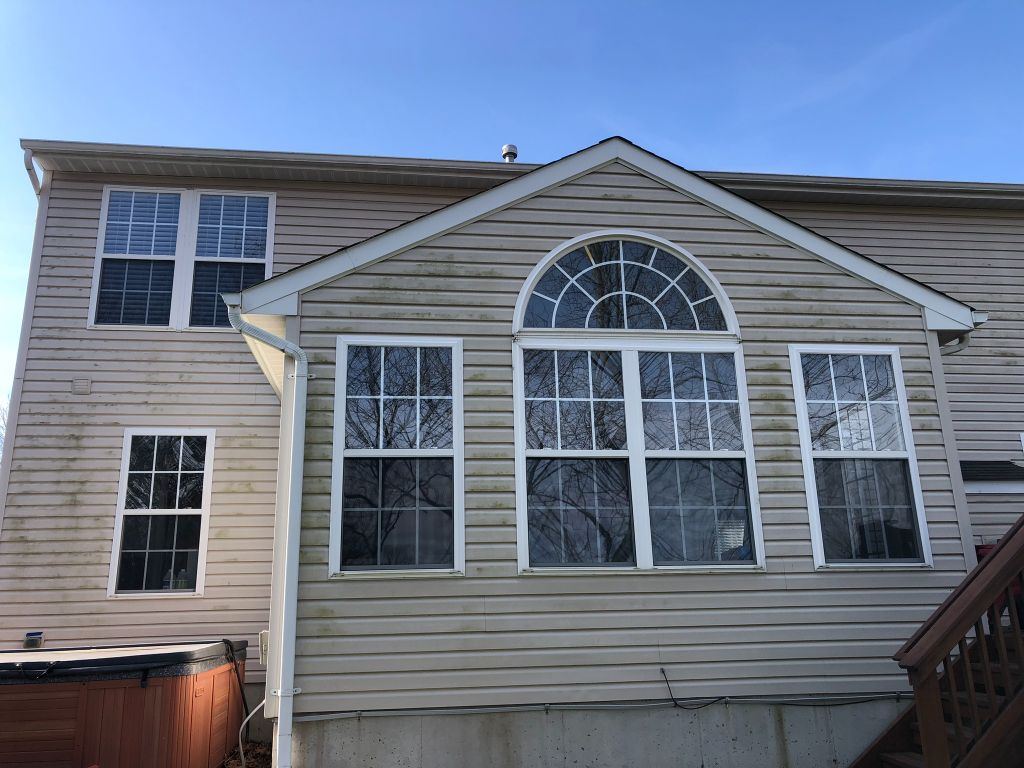
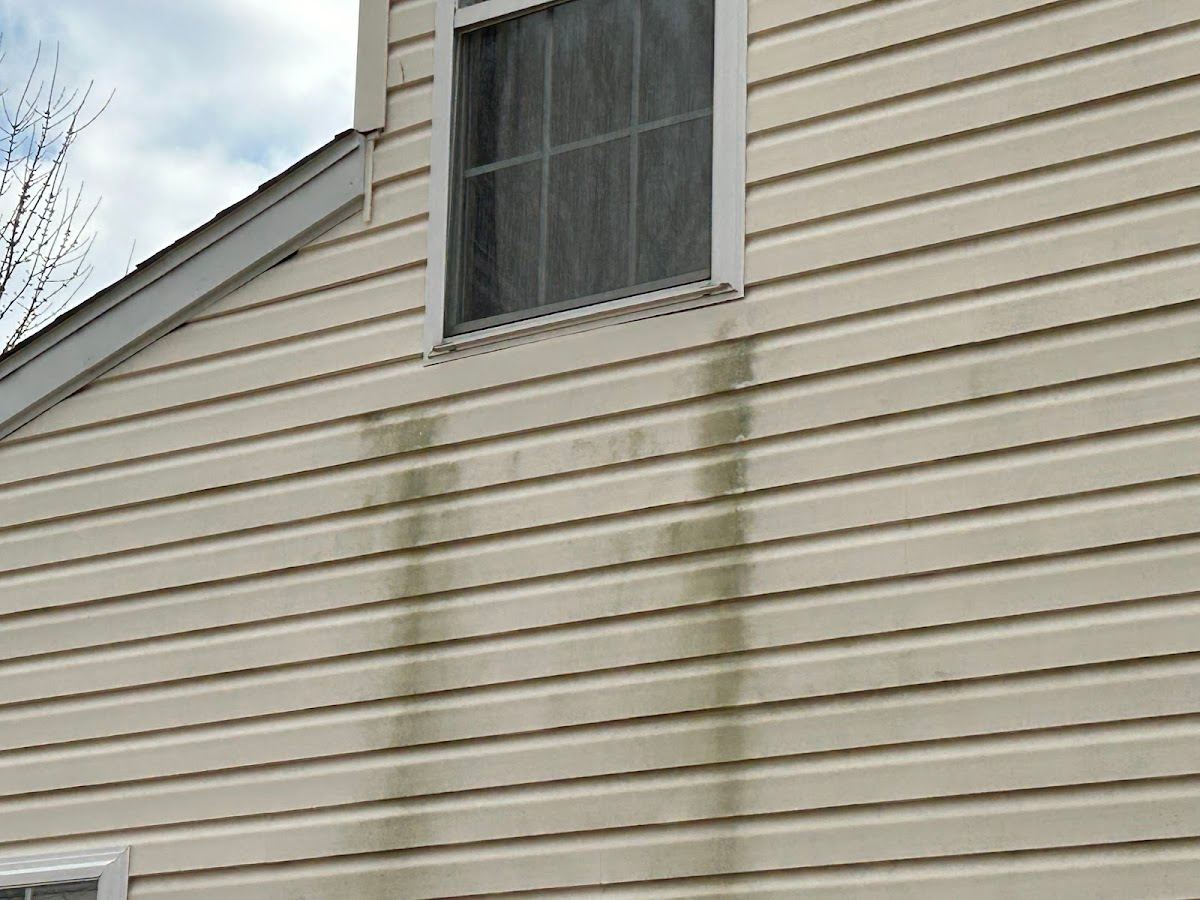
Vinyl and fiber-cement siding are the most common casualties we see. At close range, a pressure tip can crack panels, etch the surface, and strip the factory finish that protects against UV and moisture.
The bigger danger is water intrusion. Siding is designed to shed rain that falls from above. It is not designed to take a high-pressure stream driven sideways and upward, behind the panels, into the wall cavity. Once water gets back there, it doesn't dry fast in a humid Ohio summer.
- Trapped moisture feeds mold inside the wall, where you can't see it until it's a real problem.
- Saturated insulation loses its R-value, so you pay more to heat and cool.
- Wood sheathing behind the siding can rot over a season or two.
A proper house washing uses controlled low pressure and a surface-safe cleaning solution applied from the right angle, so water goes down and off the wall the way it's supposed to.
Roofs Are Where DIY Goes Very Wrong
If there's one surface to never touch with a pressure washer, it's the roof. The black streaks you see up there are a hardy algae called Gleocapsa magma. It thrives in our humid summers and feeds on the limestone filler in asphalt shingles.
Blasting it off seems satisfying. What you're actually doing is stripping away the protective granules that give shingles their lifespan and UV resistance. Those granules don't grow back. You can shave years off a roof in a single afternoon, and most shingle manufacturers will void the warranty if pressure was used.
The correct method is roof washing with a soft-wash system. Low pressure, the right cleaning solution, and patience. It kills the algae at the root so it stays gone longer, without sacrificing a single granule. Walking a steep, wet roof is also genuinely dangerous, which is another reason this is not a weekend project.
How Our Freeze-Thaw Winters Punish a Bad Wash
This is the part most DIY guides skip, and it's the most important for anyone cleaning a home in southwest Ohio. Our winters swing across the freezing mark constantly. Water gets into a crack, freezes overnight, expands, and pries that crack wider. Then it thaws and does it again. Over and over, all winter.
So a tiny crack you put in your siding caulk or concrete in July becomes a real fracture by March. Freeze-thaw is relentless on:
- Brick and mortar joints, where high pressure can blow out aging mortar entirely.
- Concrete driveways and walkways, where surface etching turns into spalling and flaking.
- Any caulk seam or trim gap the water can sneak into.
Road salt makes it worse. The salt we track up the driveway all winter is corrosive and works its way into pressure-damaged concrete, accelerating the breakdown. Damage that would heal cosmetically in a milder climate compounds here.
Mortar, Brick, and Concrete Don't Forgive Mistakes
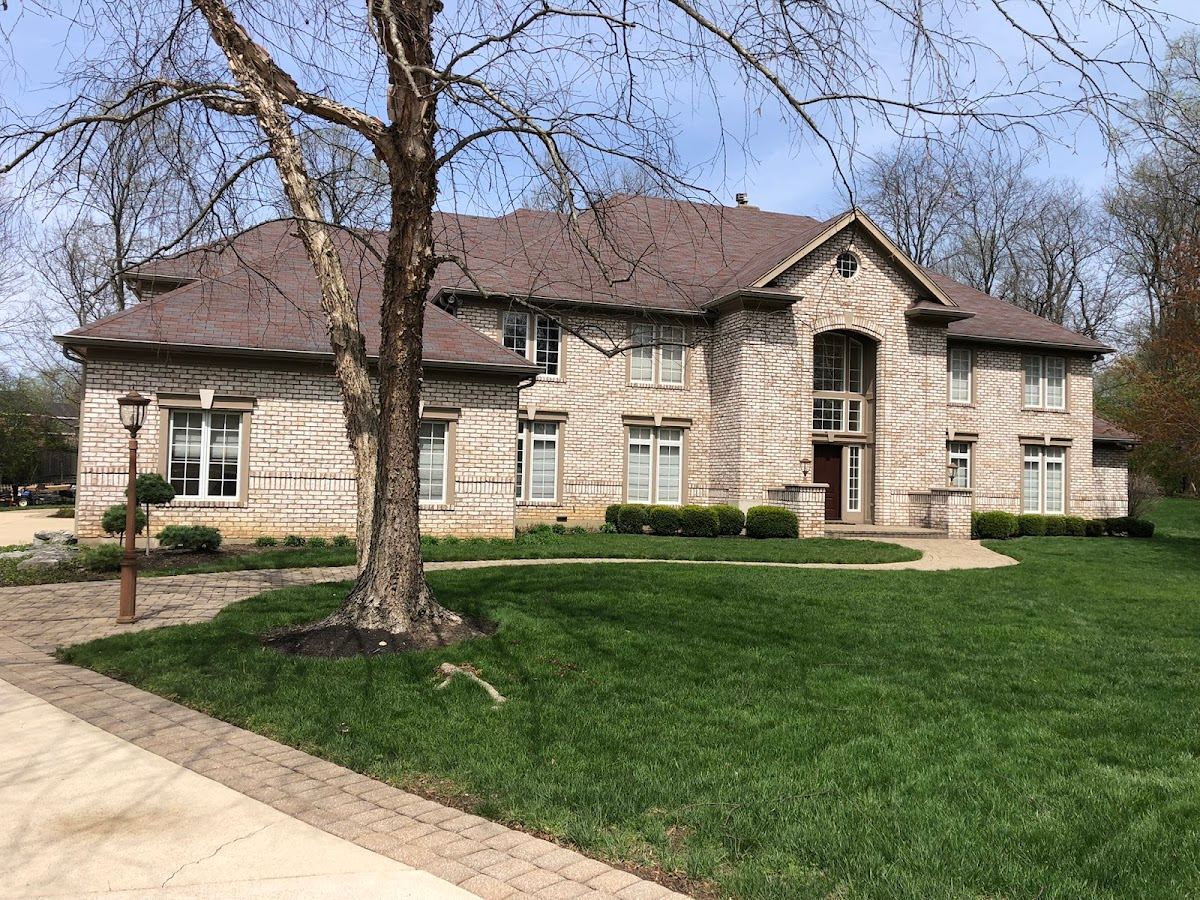
Brick homes are common across Springboro, Centerville, and the older Dayton suburbs, and brick is deceptively vulnerable. The brick itself is tough. The mortar between is not. Decades of freeze-thaw already leave mortar soft, and a pressure tip held too close will carve it right out of the joint.
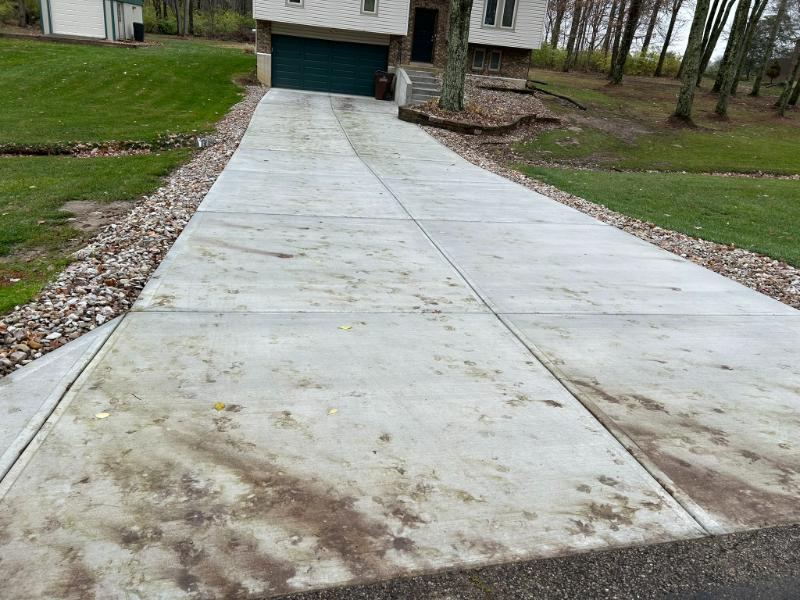
Once mortar is gone, water flows straight into the wall. Repointing brick is skilled, expensive work, far more than a wash would ever cost. Concrete tells a similar story. High pressure can leave wand marks, zebra striping, and an etched surface that holds dirt worse than before you started.
Different surfaces need different pressure and different solutions. Knowing which is which is most of the job, and it's exactly what gets skipped when you're learning on your own home.
The Hidden Costs DIY Doesn't Mention
The rental is the cheap part. The expensive part is everything that can go wrong while you're holding the wand.
- Injury. A pressure stream can cut skin and cause serious wounds that look minor at first. Ladder falls while washing second stories send people to the ER every spring.
- Water where it shouldn't be. Forced behind siding, into outlets, soffit vents, and window seals, leading to mold and electrical issues.
- Killed landscaping. Cleaning solution and runoff handled carelessly will scorch the beds you spent all spring planting.
- Streaks and stripes that are permanent and often look worse than the original grime.
When a licensed and insured company does the work, that liability isn't yours. If something were to go wrong, the insurance covers it, not your wallet. That protection alone is worth the call.
The Right Way to Handle Ohio's Seasonal Grime
Our climate hands your home a fresh layer of buildup every season, and each one calls for a slightly different approach. Spring coats everything in yellow-green pollen. Humid summers grow algae and mildew on the north-facing walls that stay shaded and damp. Fall leaves pile in gutters and leave tannin stains on concrete and siding. Winter brings the salt and the freeze-thaw cycle.
The smart move is a planned, surface-safe wash once or twice a year rather than waiting until buildup is so thick you're tempted to blast it. Soft washing handles the organic growth at the root, which means it comes back slower and you clean less often. Done right, it protects your paint, your shingles, and your mortar instead of wearing them down.
Let a Local Pro Treat Your Home Like Our Own
We're based in Springboro and we know exactly what southwest Ohio weather does to a house, because we clean homes in it every week. Whether you're in Springboro, Centerville, or anywhere along the Dayton-to-Cincinnati corridor, we match the pressure and the cleaning solution to your specific surfaces and skip the guesswork that ruins weekends.
Skip the rental, the risk, and the repair bill. Redhead Pressure Cleaning LLC is licensed and insured, we offer free estimates, and we treat your home as our own. Call or text us at (351) 242-0666 and we'll get your house looking right, the safe way.