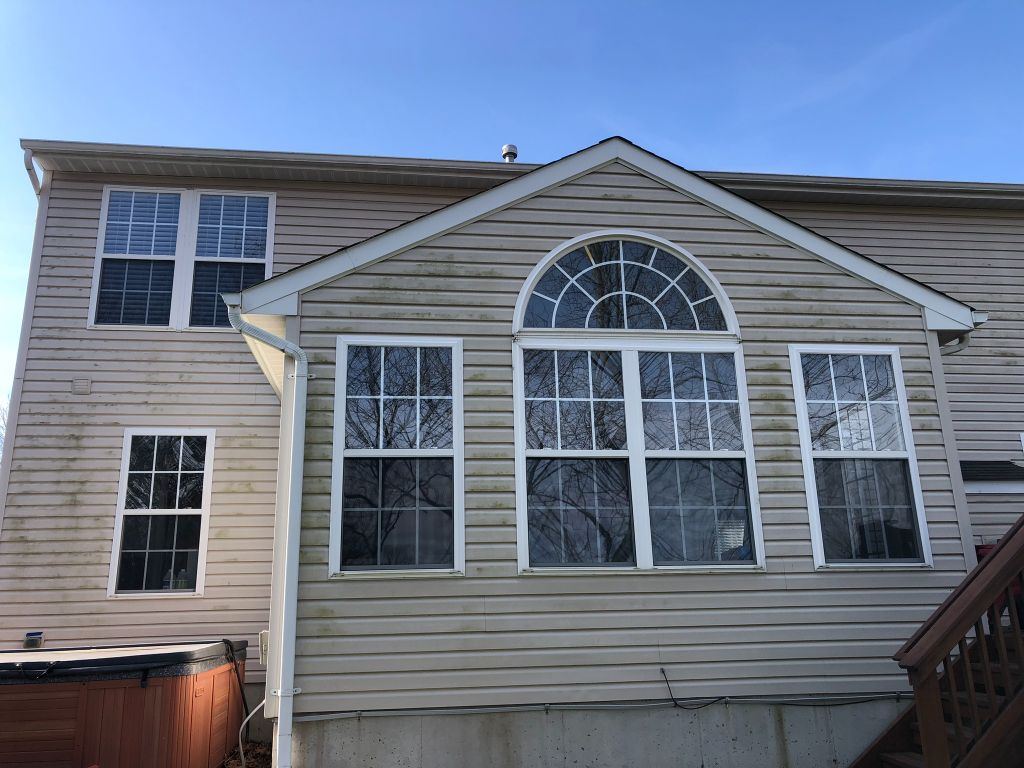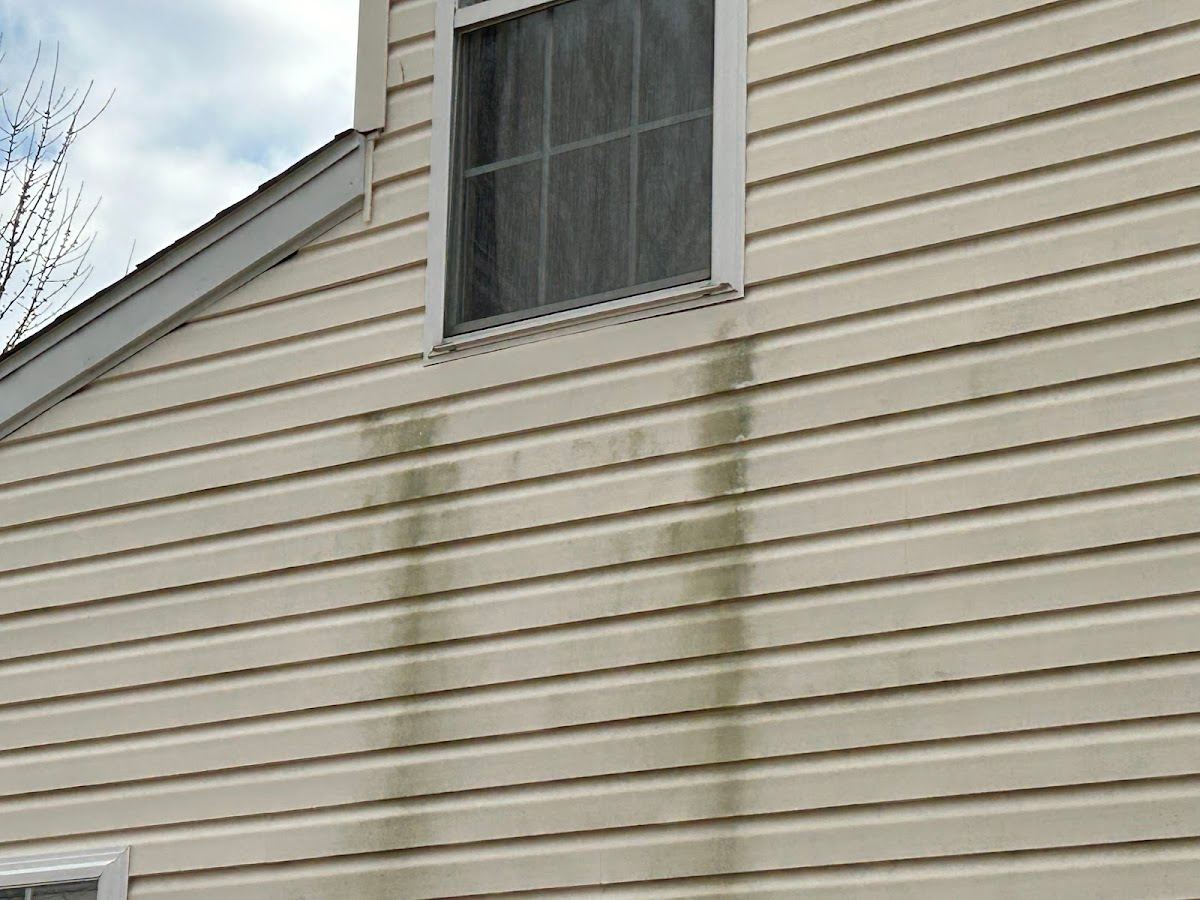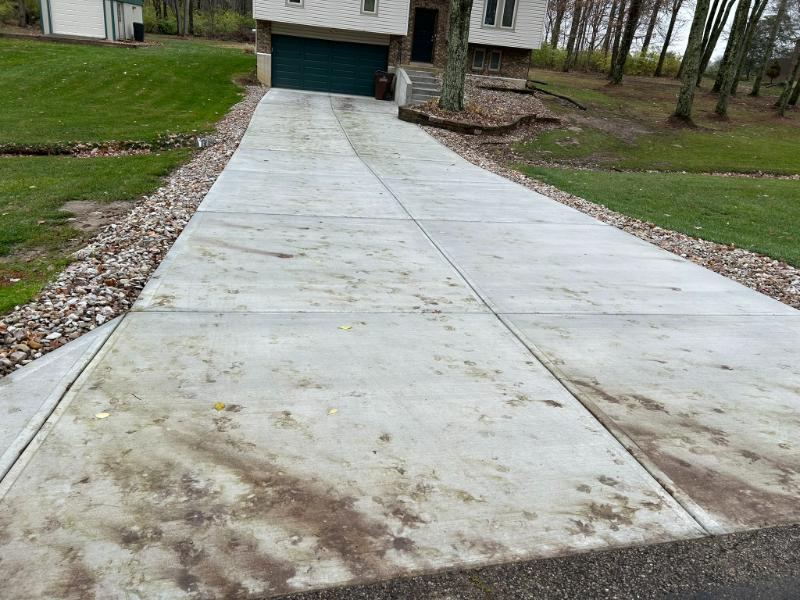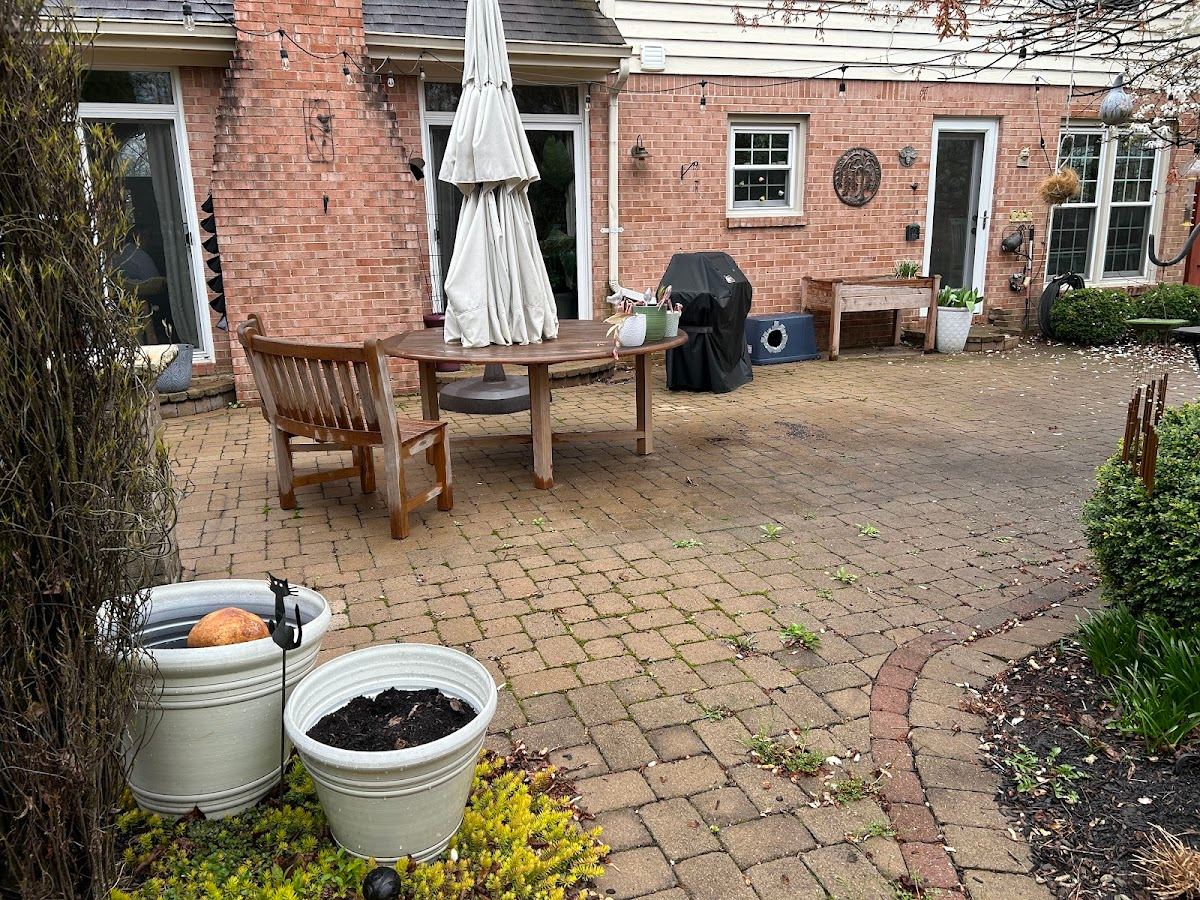
You walk out to the patio on the first warm Saturday in May, coffee in hand, ready to claim the season. Instead you find a green film on the pavers, black streaks down the deck boards, and a slick patch by the steps that nearly takes your feet out from under you. That winter grime didn't show up overnight. It built up under the snow while you weren't looking.
Here in Ohio, the gap between a usable outdoor space and a hazard is one good cleaning. Our freeze-thaw winters, road salt, spring pollen, and humid summers gang up on every horizontal surface around your house. The good news: a little know-how before summer keeps your patio and deck safe, good-looking, and lasting longer. Here's how a local pro thinks about it.
Why Ohio Winters Are So Hard on Patios and Decks
Ohio puts outdoor surfaces through a brutal cycle. Water seeps into the pores of concrete, brick, and wood. It freezes, expands, then thaws — over and over, dozens of times between December and March. That freeze-thaw action pries surfaces apart from the inside. You see it as flaking concrete, popped paver joints, and splintering deck boards.
Then there's the salt. Road salt and ice melt track onto your steps and patio on boots and pet paws. Salt is corrosive and it holds moisture, which keeps surfaces damp long after the snow is gone. Damp plus shade equals the perfect home for algae and mildew.
By the time the weather breaks, you're not just looking at dirt. You're looking at a living layer of organic growth bonded to a surface that took a beating all winter. That's why a quick rinse with the garden hose never quite cuts it. Effective patio cleaning means removing the growth, the salt residue, and the embedded grime in one pass — without driving water deeper into already-stressed material.
Start With an Honest Inspection
Before any cleaning solution touches the surface, walk the whole area in good daylight. You're looking for trouble spots that cleaning will reveal — or make worse if you skip this step.
- Wood decks: press a screwdriver into boards near the ground, around posts, and where water pools. Soft, spongy wood means rot, and rot won't survive a power washer.
- Loose or raised fasteners: popped nails and proud screw heads catch toes and snag equipment. Set or replace them first.
- Concrete and pavers: note cracks, spalling (that flaky, pitted surface), and joints where sand has washed out.
- Railings and steps: give them a firm shake. Winter heaving loosens posts more than people expect.
- Slip hazards: the green and black patches aren't just ugly. Algae and mildew are genuinely slick when wet, and they're often worst right where people step.
Mark the soft wood and the big cracks. Cleaning makes a surface look new, but it doesn't fix structural problems — and knowing where the weak spots are tells you where to ease off the pressure.
Match the Method to the Surface
This is where most weekend cleanings go sideways. A pressure washer is one tool with many settings, and the wrong setting ruins surfaces fast. The pros don't blast everything at full power — far from it.
Wood decks and composite rarely need high pressure at all. We almost always use a soft-wash approach: a surface-safe cleaning solution that lifts dirt, algae, and mildew chemically, followed by a low-pressure rinse. High pressure on wood gouges the soft grain between the hard rings, leaving a fuzzy, furrowed mess that drinks up water and weathers faster. Smart deck cleaning is more about the right solution and dwell time than about brute force.
Concrete patios can take more pressure, but technique still matters. Keep the spray tip moving and held at a consistent distance, or you'll leave wand marks — visible stripes where you lingered. A surface cleaner attachment, the round disc that rides flat on the slab, gives an even result without the zebra stripes.
Brick and natural stone sit in the middle. Too much pressure blows out mortar joints and etches softer stone, so a gentler, solution-first method protects the surface.
Pavers Need Special Care
Paver patios and walkways are everywhere along the I-75 corridor, and they're the surface most often damaged by overeager cleaning. The pavers themselves are tough. The problem is the joint sand between them.
Blast pavers with a narrow, high-pressure tip and you'll strip out the polymeric sand that locks everything in place. Lose that sand and the pavers shift, tilt, and let weeds push through by July. What started as a cleaning project turns into a re-leveling project.
The right way: clean with a surface-safe solution and controlled pressure to lift the growth and stains, then re-sand the joints once everything is dry. Proper paver cleaning finishes with fresh joint sand — and sealing, if you choose it — so the patio stays locked together through the next freeze-thaw season. It's the difference between a patio that looks new for one weekend and one that holds up for years.
Timing It Right for an Ohio Summer
When you clean matters almost as much as how. Ohio's calendar gives you a clear window, and a couple of traps.
Wait out the pollen. Our spring pollen drop — that yellow-green dust that coats everything from late April into May — will recoat a freshly cleaned surface within days. If you clean too early, you'll be doing it twice. Late May into June is usually the sweet spot: pollen has settled and the worst of the wet weather has passed.
Mind the humidity. Ohio summers are humid, and surfaces dry slower than you'd think. This matters most for decks. If you plan to stain or seal after cleaning, wood needs to dry thoroughly first — often a couple of days in our climate, longer if it's muggy. Trapping moisture under a fresh coat leads to peeling by August.
Pick a mild, overcast day. Cleaning solutions work best when they don't flash-dry in direct sun. Shade and moderate temperatures give the solution time to do its job before you rinse.
Protect Your Plants, Pets, and Siding
A patio doesn't sit in isolation. It's ringed by landscaping, close to siding, and shared with kids and pets. A careful cleaning accounts for all of it.
- Pre-wet your plants. Soak the beds and shrubs bordering the work area before you start, and rinse them again after. Wet foliage is far less likely to absorb any runoff.
- Watch the spray zone. High pressure aimed at a downward angle keeps water away from siding seams, soffits, and window weep holes, where forced water causes real trouble.
- Keep pets inside until surfaces are rinsed and dry.
- Direct your runoff toward grass, not the storm drain, and use the minimum effective amount of cleaning solution.
This is also the honest case for soft-wash over blasting. A surface-safe, solution-driven method does the heavy lifting so you're not relying on dangerous pressure near things that bruise easily — your hostas, your vinyl, your fingers.
DIY or Call a Pro: How to Decide
Plenty of patio and deck cleaning is a reasonable weekend job, and we'd never tell you otherwise. A modest concrete patio, a hose, a rented washer, and an afternoon will get many homeowners a solid result. Knowing your surface and respecting the pressure settings above gets you most of the way.
It's worth bringing in help when the stakes climb. Large or multi-level decks, extensive paver work that needs re-sanding, delicate natural stone, second-story surfaces, or stubborn algae that keeps coming back are all jobs where experience saves you money in the long run. A botched cleaning — etched concrete, furrowed deck boards, washed-out joints — costs more to fix than it would have to do right the first time.
Homeowners around Springboro and Bellbrook call us most often for exactly these situations: the deck that's too big to gamble on, the paver patio that needs the joints rebuilt, or the green growth that a hose just spreads around. The value isn't only the cleaning — it's knowing the right pressure, the right solution, and the right timing for our specific Ohio conditions.
Get Your Outdoor Space Summer-Ready
A clean, safe patio and deck don't happen by accident here. They're the result of reading the surface, matching the method, timing it past the pollen, and protecting everything around the work. Do those four things and you'll get a space that's genuinely safer underfoot and built to last through the next freeze-thaw cycle — not just one that looks good for a weekend.
If you'd rather hand it off, Redhead Pressure Cleaning LLC handles patio deck cleaning Ohio homeowners can count on. We're licensed and insured, we use surface-safe soft-wash methods, and we treat your home as our own. We serve the I-75 corridor from Dayton to Cincinnati and across Ohio. For a free estimate, call or text (351) 242-0666 — and head into summer with one less chore on the list.